
 Worksheets
Biology Unit 1
Total questions: 179
Worksheet time: 2hrs 24mins
What are the 6 unifying themes of biology?
cell structure
matter, energy, and organisms
stability and homeostasis
evolution, reproduction, and inheritance
interdependence of organisms
A cell is the basic _________ of _________.
(a)
All organisms are made of _________?
atoms
cells
bacteria
homeostasis
What does unicellular mean?
one cell
more than one cell
What does multicellular mean?
one cell
more than one cell
Cells are _________?
small and organized
large and organized
small and unorganized
large and unorganized
The largest organism on the planet in the ________, sometimes called the honey mushroom.
human
unicellular
multicellular
armillaria fungus
Biology studies not only the smallest bacteria and viruses, but the largest organism on the planet.
true
false
Biology is defined as the science of animals, the study of all living things.
true
false
What does homeostasis mean?
maintaining a stable internal environment
nature selects the organisms that are best suited for survival
all organisms have the ability to reproduce organisms like themselves
to change over time
All organisms have what ability to reproduce, which means to be able to create organisms like themselves.
true
false
Do all organisms transmit heredity information to their offspring?
yes; organisms transmit heredity information to their offspring
no; organisms do not transmit heredity information to their offspring
DNA contains information for traits called _________?
gens
cells
evolution
reproduction
What is sexual reproduction?
hereditary information from two parts of a single organism of the same species are combined
hereditary information is not combined
What is asexual reproduction?
hereditary information of the same species are combined
hereditary information is not combined
What is evolution?
the mechanism by which evolution occurs
nature selects the organisms that are best suited for survival
populations of organism change over time
all organism have the ability to reproduce organisms like themselves
The mechanism by which evolution occurs is called?
evolution
natural selection
DNA
reproduction
Natural selection is?
where nature selects the organisms that are best suited for survival
populations of organisms change over time
all organisms have the ability to reproduce more organisms like themselves
maintaining a stable internal environment
Do all organisms depend on other organisms for there survival (we are all connected) ?
yes
no
The branch or biology that studies interactions of organisms with each other and their environment is?
ecology
ecosystems
DNA
sampling
What is an environmental community?
ecology
homeostasis
ecosystems
sampling
All organisms require (a) to survive?
What is the process of creating energy by using the sun
energy
photosynthesis
measuring
sampling
What must obtain their food?
autotrophs
heterotrophs
Heterotrophs...
create their own food
must obtain their food
What are the six characteristics of life?
all living things are made up of cells and are organized (molecular and cellular levels)
all living things use energy; they all metabolize
all living things maintain stable internal conditions and grow (cell division and development)
all species or organisms have the ability to reproduce
When making an observation use at least one of the (a) to collect information about a subject.
Data that can be measured in numbers for example the number of deer in a park or the number of snakes living in your back yard is called?
measuring
sampling
autotrophs
ecology
Scientific technique fir taking a small part of something and using it to represent the whole group
organizing data
prediction
sampling
prediction
Placing data into easy to read charts or graphs so conclusions may be drawn from in called?
making a prediction
a hypothesis
organizing data
sampling
What is an educated guess about the explanation of a problem called?
theroy
hypothesis
prediction
variable
What is a statement made in advance that states what the outcome of an experiment will be
theory
hypothesis
prediction
sampling
An experiment is the way a (a) is tested.
A controlled experiment is where a "control group" is set up to compare to the (a) group.
The control and experimental groups are designed to be the same except for (a) variable that you can change, which is called the independent carriable.
Which variable can you, the scientist, change?
the independent
the dependent
Which variable can you, the scientist, not change. This variable is dependent upon the other variable.
the independent variable
the dependent variable
A representation of an object or system or process that helps explain them or show relationship among data is called a ?
inference
hypothesis
prediction
model
Model are now created on (a) many times to save on the cost of creating real world models.
A conclusion made off facts rather than direct observation. They are not directly testable and can be incorrect.
models
hypothesis
prediction
inference
What is a broad comprehensive statement about what is thought to be true?
theory
hypothesis
prediction
model
Theories are supported by a large amount of evidence and may combine several hypotheses.
false
true
Instrument that produces enlarged images of small objects.
magnifying glass
telescope
microscope
model
Refers to the increase in an objects apparent size.
magnifying glass
microscope
minimalization
magnification
This refers to the ability of the microscope to show detail clearly.
magnification
slide deck
resolution
course knob
A (a) is a type of microscope that is used in a biology class.
How do you calculate the magnification of a microscope?
eye piece magnification X object lens magnification
eye piece magnification/object lens magnification
ad the two lens together
You do not have to calculate it
Which part of the microscope moves the stage up quickly?
coarse adjustment knob
fine adjustment knob
diaphragm
rotating nose piece
Which part of the microscope moves the stage up slowly
coarse adjustment knob
fine adjustment knob
diaphragm
rotating nose piece
what part of the microscope changes the objective lens?
coarse adjustment knob
fine adjustment knob
diaphragm
rotating nose piece
what is the total magnification if the ocular lens is 10x and the objective lens is 4x?
40x
400x
4x
4000x
what part of the microscope hold the slide on the stage?
objective lenses
stage clips
rotating nose piece
fine adjustment

What is number 1?
arm
base
light source
stage

What is number 2?
fine adjustment knob
coarse adjustment knob
light source
base

What is number 3?
fine adjustment knob
coarse adjustment knob
stage
diaphragm

What is number 4?
stage
light source
stage clips
rotating nose piece

What is number 5?
base
stage
light source
arm

What is number 6?
diaphragm
light source
stage
stage clips

What is number 8?
stage
stage clips
base
nose piece

What is number 9?
rotating nose piece
objective lens
ocular lens
adjustment knob

What is number 11?
body tube
ocular lens
nose piece
arm

What is number 12?
body tube
objective lenses
ocular lens
arm
What is a scanning electron microscope?
the normal microscopes we have in class
a microscope that uses electrons to create a flat, 2D image
a microscope that uses electrons to make an image colorful
a microscope that uses electrons to create a 3D image
What is a transmission electron microscope?
The normal microscopes we have in class
a microscope that uses electrons to create a flat, 2D image
a microscope that uses electrons to create a colorful image
a microscope that uses electrons to create a 3D image
Live specimens cannot be used in any electron microscope.
false
true

Why is the water molecule polar??
The electrons spend more time around Hydrogen
The electrons spend more time around Oxygen
The water molecule has ionic bonds
The water molecule has no polarity
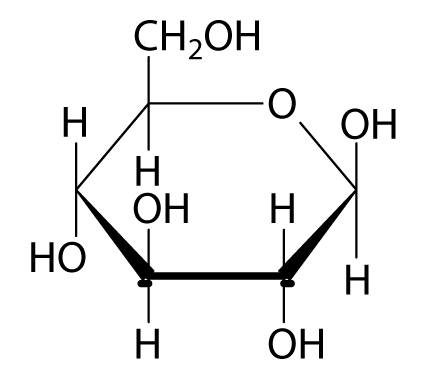
What is the smallest unit of a macromolecule?
micromolecule
glucose
monomer
polymer
the starting materials in a chemical reaction are called what?
Products
Reactants
Starters
Enders
a substance that is formed as the result of a chemical reaction is called
Product
Reactant
Starters
Enders

The substances listed on the right side of a chemical equation are the
Yields
Reactants
Products
Precipitates
The purpose of a catalyst is to:
speed up a reaction
slow down a reaction
create more reactants
stop the reaction
If two substances react and the temperature of the mixture decreases, the reaction is
Exothermic
Endothermic
Idon'tknowthermic
Nocluethermic
The left side of the chemical equation are called the ________.
products
reactants
platypus
molecules
What is needed to break bonds and also released when bonds are broken?
energy
bananas
atoms
electrons
How many valence electrons does each carbon atom have?
2
3
4
1
What gives carbon the ability to form chains of almost unlimited length?
carbon can bond to other carbon
carbon makes covalent bonds
carbon has 6 electrons
carbon has isotopes
Large molecules in living cells are known as ___________.
macromolecules
monomers
atoms
elements
Simple building blocks (or groups of atoms) that attach to other groups to form molecule are called ______________-.
atoms
elements
monomers
polymers
When monomers join together they form ____________.
atoms
elements
monomers
polymers
Which groups below form organic compounds found in living things?
Carbohydrates (sugar)
Lipids (fats)
Proteins (structure)
Nucleic acids (DNA)
In carbohydrates, what is the ratio of Carbon to hydrogen to oxygen.
1:2:1
1: 3
1: 4: 2
A carbohydrate that contain two monosaccharide units bound together by a covalent bond.
monosaccharide
disaccharides
saccharides
polysaccharides
It is a polysaccharide that is a major component of the plant's cell wall.
cellulose
glycogen
glucose
starch
Which polysaccharide is used by plants to store glucose?
glycogen
cellulose
starch
chitin
What is the main function of carbohydrates?
Supply most of the energy that cells need
To store energy (long-term)
To speed up chemical reactions
To store, copy, and transmit genetic information

Lipids are composed of which atoms?
Hydrogen, Oxygen, Nitrogen
Hydrogen, Oxygen, Carbon
Oxygen, Nitrogen, Carbon
Oxygen, Nitrogen, Hydrogen
This macromolecule is used for long term energy storage.
protein
simple carbohydrate
complex carbohydrate
lipid
Hemoglobin is a protein that binds to oxygen and helps carry it in the blood and deliver it to other parts of the body. This is an example of what type of protein?
Transport
Signaling
Storage
Contractile
Type of protein that breaks down nutrients so that they can be absorbed by the body.
Contractile proteins
Structural proteins
Digestive enzyme
Signaling proteins
Which type of protein gives shape to different cell and body parts?
Signaling
Storage
Contractile
Structural
Which reaction is needed to bond two amino acids together?
Dehydration
Dehydrogenation
Hydration
Hydrolysis
Which reaction is needed to break the bond between two amino acids?
Dehydration
Dehydrogenation
Hydration
Hydrolysis
What is another function of consuming proteins?
Improves appetite
Improves bone health
Boosts metabolism
Improves sleep
Boosts cholesterol levels
The monomers of nucleic acids are
Nucleotides
Amino Acids
Glycerol
Glucose
What is used by cells for energy?
DNA
ATP
RNA
ADP
What is stored in the chemical bonds of ATP?
Sugar
Neutrons
Energy
Protein
What happens when the end phosphate is broken off a molecule of ATP?
Energy is stored
Energy is released
Neutrons are stored
Neutrons are released
What is produced when the last phosphate group is removed from ATP?
DNA
ADP and phosphate
RNA
Amino Acids and Peptide bonds
What suffix tells identifies an enzyme?
ose
ese
ise
ase
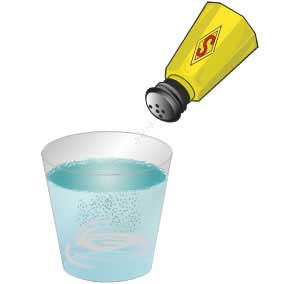



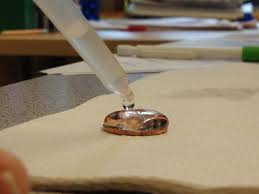


Molecules are formed through ___ bonds while compounds are typically formed through ___ bonds.
covalent, ionic
ionic, covalent
covalent, hydrogen
hydrogen, ionic
Weak ___ bonds form between water molecules because of water's property of polarity.
hydrogen
covalent
ionic
liquid
A(n) ___ helps to bring a pH close to 7.
buffer
acid
base
neutral
What is the basis of hydrogen bond?
Attraction forces between hydrogen atom bonded with another hydrogen atom
Attraction forces between hydrogen atom bonded with a high electronegativity atom (F, O, N)
Attraction forces between hydrogen atom bonded with a high electronegativity atom (F, O, N) with atom (F, O, N) of another molecule
Attraction forces between hydrogen atom with another hydrogen atom of another molecule

Organic compounds
are made only of carbon
contain carbon bonded to hydrogen and nothing else
contain carbon bonded to hydrogen
contain only oxygen
What is a functional group?
Group of atoms that give specific characteristics to a molecule
Group of molecules that give specific characteristics to an atom
Group of molecules that make up a group of atoms
Group of atoms that give specific characteristics to an element
The process of adding water in order to break bonds within a polymer....
Condensation Reaction
Hydrolysis
The process of digesting a large molecule into many smaller molecules by breaking bonds is called....
Condensation Reaction
Hydrolysis
The process of making a polymer by bonding together monomers is called
Condensation Reaction
Hydrolysis
ATP stands for ____.
adenosine triphosphate.
adenine tertiary polymer
adenosine tripeptide
What is the ultimate source for producing ATP?
Water
Salt
Foods
When ATP loses a terminal phosphate, it becomes _____.
adenosine monophosphate
adenine triphosphate
adenosine diphosphate
What is a long chain of amino acids called?
Polysaccharide
Lipid
Carbohydrate
Polypeptide
Nucleic acid
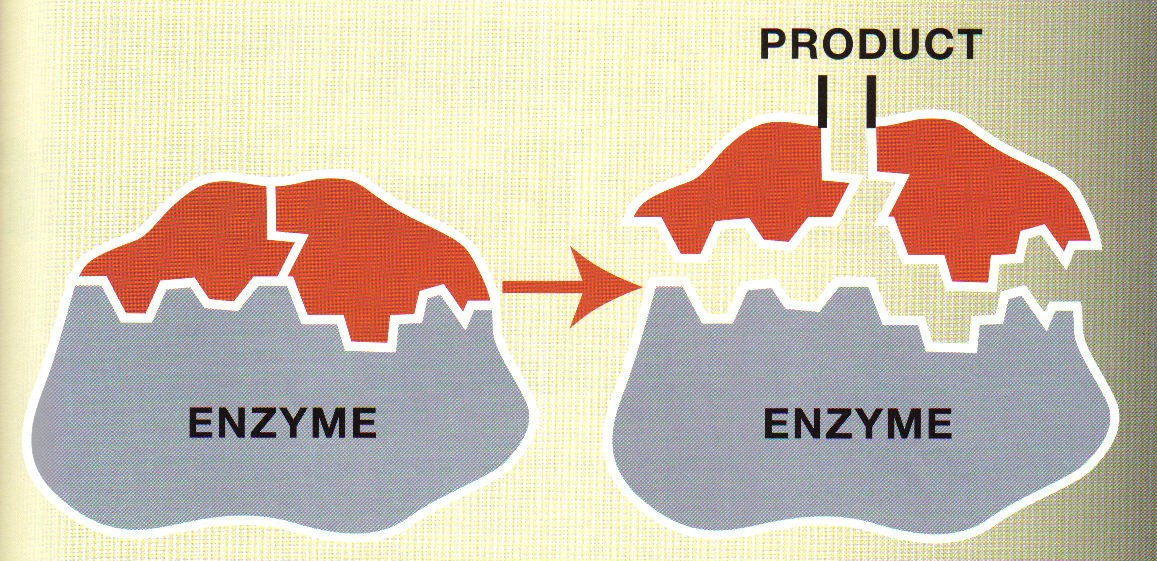
As temperature increases, the rate of reaction for enzymes will generally ______.
increase
decrease
not be affected
Fill in the blank: Enzymes act as __________ which speed up chemical reactions.
Competitors
Co enzymes
Catalysts
Tiny sumo wrestlers
How do enzymes speed up chemical reactions. Select all that apply.
They heat up molecules in their vicinity which makes them react faster
They lower activation energy (energy required to start a reaction)
They do a sort of molecular hug and weaken chemical bonds
They sing love songs to lure substrates into their active site

