
 Worksheets
Weather Review
Total questions: 40
Worksheet time: 48mins
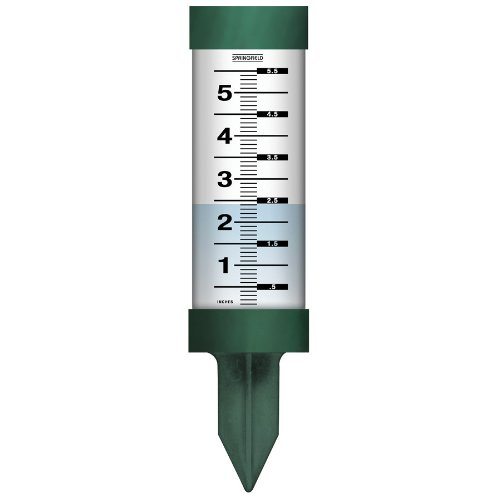
What does a rain gauge measure?
a change in temperature
a change in humidity
wind speed
the amount of rainfall


Select the best answer- What is weather?
Weather is what is happening in the atmosphere in a certain place at a certain time.
Weather is the atmosphere.
Weather is precipitation.
Weather is wind.

Clouds are made up of tiny drops of ______ or ice. The moisture in the cloud affects the weather.
dust
water
cloud particles
precipitation


Energy for convection on the Earth comes from...
The sun
The moon
Solar winds
The ocean


Why do winds change during the day and night near a beach?
The warm air over land sinks and stays there
The warm air over water sinks and stays there
The temperature over air and the land change
Cool air sinks over the land and stays there

Why would a meteorologist use a wind sock?
To measure wind direction
To measure temperature
To measure wind speed
To measure rainfall

What can happen when an area does not get enough rain?
Drought
Flood
Sleet
Hail

When the pressure is low, then there will be ________.
lots of sun
high temperatures
clouds and rain
hot, dry weather

________ covers large areas and long periods of time.
Weather
Climate
A blanket
A cloud


Rain, snow, sleet, and hail are all forms of _____.
precipitation
condensation
evaporation
climate


If the temperature is 30°F, in which form will precipitation most likely be?
fog
hail
rain
snow

Which statement best describes temperature patterns in areas along the equator?
Temperatures along the equator vary from hot in the summer to cold in the winter.
Temperatures along the equator are consistently warm all year long.
Temperatures along the equator are consistently cool all year long.

A student observes and records cloud cover throughout the day. Which event could the student most likely predict if they observe increasing cumulonimbus clouds?
The area will have sunny skies.
The area will have precipitation.
The area will have cooler temperatures.
The area will have warmer temperatures.

The forecast said a high pressure system will arrive this weekend. Benito and his friends want to go camping. Should they plan to go?
Yes, the high pressure system will create clear, sunny skies.
No, the high pressure system will create storm clouds and tornadoes.
Yes, the high pressure system will create skies filled with cumulus clouds.
No, the high pressure system will increase humidity and cause rain clouds to form.

Why is it important to know the different types of clouds?
Clouds can indicate the time of day that it is.
Clouds can indicate the type of weather that will occur.
Clouds can indicate the temperature of different layers of the atmosphere.

Which term best describes the wind pattern in the graphic?

Which has the greatest effect on the temperature of a region?
the amount of plants it has
the amount of rainfall it gets
the amount of humans it has
the amount of sunlight it gets

What part of Earth receives the most direct sunlight?
The Equator
The Tropics
The Poles
North America

What happens as the oceans cool down?
Storms lose energy
Storms get stronger
The fish get too cold
It gets windy

Pressure moves from areas of
Low pressure to high pressure
High pressure to low pressure
It depends on the temperature
It depends on the wind speed

Higher altitudes (or elevations) have...
lower temperatures
higher temperatures
temperature remains the same

Warm air molecules are
Less dense and move slow
Less dense and move fast
More dense and move slow
More dense and move fast

Which tool measures air pressure?
Wind sock
Thermometer
Barometer
Anemometer


What is the MAIN cause of winds?
humidity
earth's tilted axis
the gravitational pull of the moon
the unequal heating of the earth's surface

Identify a function of an anemometer:
Tells the direction of the wind
Mercury expands in hot weather
Cups catch the wind and turn the dial to calculate the wind speed
Measures humidity

Hygrometers measure:
Humidity
Wind Direction
Air temperature
Air pressure


