wayground logo

Free Printable Worksheets

NEW

Font size

S
M
L
XL
Worksheets

Science Topic 1 Review (Earth Science)

Total questions: 39

Worksheet time: 16mins

Name
Class
Date
1.
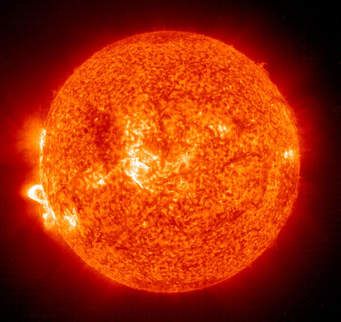
What is the center of our solar system?
a)
moon
b)
earth
c)
sun
d)
Jupiter
2.
Which one takes 24 hours?
a)
rotation
b)
revolution
3.
What describes the earth going around the sun?
a)
rotation
b)
revolution
4.

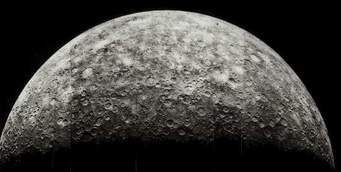
This is the first planet from the Sun; it is very hot in the day and very cold in the night.

a)

Mercury

b)

Neptune

c)

Earth

d)

Jupiter

5.

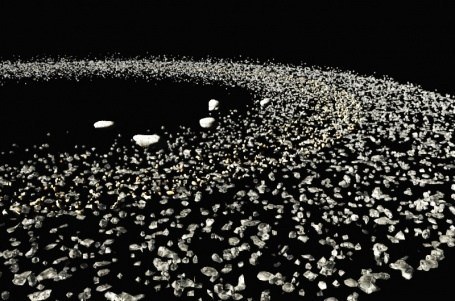
What are large chunks of rocks and metal in space?

a)

Earth

b)

comet

c)

asteroids

d)

gibbous

6.

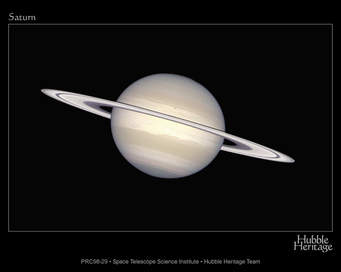
The sixth planet from the Sun; known for its large rings.

a)

Saturn

b)

Mercury

c)

Earth

d)

Mars

7.

This is the eighth (last) planet from the Sun; it is deep dark blue in color.

a)

Earth

b)

Neptune

c)

Mercury

d)

Jupiter

8.
What planet is the largest planet in our solar system?
a)
Earth
b)
Jupiter
c)
Uranus
d)
Saturn
9.
What does orbit mean?
a)
The path a planet takes around the sun.
b)
The spinning of the planet.
c)
When a rocket blasts into space.
d)
To fly into outer space.
10.
What do the planets orbit around?
a)
They orbit around the Earth.
b)
They orbit around each other.
c)
They orbit around the sun.
d)
They orbit around the sun,
11.
What planet do scientists call Earth's Twin?
a)
Mars
b)
Venus
c)
Saturn
12.
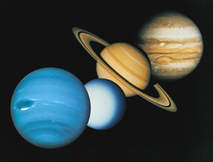
Which four planets are considered gas giants?
a)
Jupiter, Pluto, Earth, Mars
b)
Jupiter, Saturn, Uranus, Neptune
c)
Mercury, Earth, Mars, Venus
13.
Do all planets have moons.
a)
Yes they all have moons.
b)
No not all planets have moons.
14.

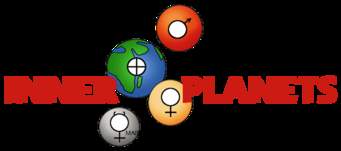
What are the 4 rocky planets in the Solar System (inner planets)?

a)

Jupiter, Saturn, Uranus, Neptune

b)

Mercury, Venus, Earth, Mars

c)

Pluto, Mars, Jupiter, Earth

15.
Which Planet is closest to the Sun?
a)
Venus
b)
Earth
c)
Saturn
d)
Mercury
16.
Which planet has the most rings?
a)
Uranus
b)
Earth
c)
Saturn
d)
Jupiter
17.
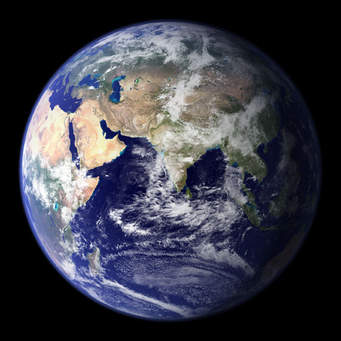
What is the only planet that has life on it?
a)
Earth
b)
Mars
c)
Venus
d)
Pluto
18.
What is the hottest planet in our Solar System?
a)
Venus
b)
Mercury
c)
Earth
d)
Mars
19.

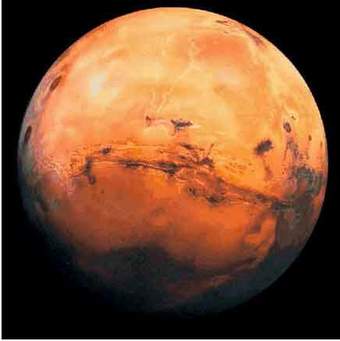
Which planet is the 4th planet from the sun and has the nickname the Red Planet?

a)

Earth

b)

Saturn

c)

Mars

d)

Mercury

20.

Very few moons

a)

Inner planets

b)

Outer planets

c)

Both

21.

Gas giants

a)

Inner planets

b)

Outer planets

c)

Both

22.
Located between the inner and outer planets.
a)
Sun
b)
Asteroid belt
c)
Uranus
d)
Moons
23.

Small diameter

a)

Inner planets

b)

Outer planets

c)

Both

24.

Solid, rocky surface

a)

Inner planets

b)

Outer planets

c)

Both

25.
What is the correct order of the planets from the sun? 
a)
Mercury, Venus, Earth, Mars, Jupiter, Saturn, Uranus, Neptune
b)
Mercury, Earth, Venus, Mars, Jupiter, Saturn, Uranus, Neptune
c)
Mercury, Venus, Earth, Mars, Saturn, Jupiter, Uranus, Neptune. 
d)
Mars, Venus, Earth, Mercury, Jupiter, Saturn, Uranus, Neptune. 
26.
All of the outer planets--
a)
have many moons
b)
are small
c)
have a short orbit around the Sun
d)
are rocky
27.

Which of the following is NOT an Inner Planet??

a)

Mercury

b)

Mars

c)

Jupiter

d)

Venus

28.
The spinning of an object on its axis is called______
a)
orbit
b)
rotation
c)
tilt
d)
tide
29.
The asteroid belt can be found between which two planets?
a)
Earth and Mars
b)
Venus and Earth
c)
Saturn and Uranus
d)
Mars and Jupiter
30.
Galaxies are composed of (best answer)
a)
stars
b)
stars and gas
c)
stars, dust, and gas
d)
stars, dust, and gas held together by gravity
31.
Objects made of ice, gas and dust and orbit our sun are called:
a)
Asteroids
b)
Comets
c)
Meteroids
d)
Meteors
32.

Huge chunks of rock and metal (some measuring miles wide) are believed to be left-over pieces of planets and moons called:

a)

Comets

b)

Meteors

c)

Asteroids

33.
These objects that orbit the sun are nicknamed, "dirty snowballs."
a)
Comets
b)
Asteroids
c)
Meteors
d)
Meteroids
34.
Our Galaxy is called the
a)
M38
b)
Milky Way Galaxy
c)
Andromeda Galaxy
d)
Pinwheel Galaxy
35.
A galaxy is a large collection of stars, gas and dust. What is responsible for holding the stars, gas, and dust together in a galaxy?
a)
heat
b)
light
c)
gravity
d)
friction
36.

Why do the outer planets have longer years than the inner planets?

a)

The outer planets rotate faster than the inner planets.

b)

The outer planets are farther from the sun.

c)

The inner planets are denser and rotate slower.

d)

Outer planets are made of gas.

37.
The outer planets are much smaller than the inner planets.
a)
True
b)
False
38.

They revolve around the Sun.

a)

Inner Planets

b)

Outer Planets

c)

Both

39.

They have an atmosphere.

a)

Inner Planets

b)

Outer Planets

c)

Both