
NEW
Font size
 Worksheets
Ecology/Biodiversity Review
Total questions: 62
Worksheet time: 35mins
Snakes eat other animals for food. Snakes are considered __________.
Autotrophs
Prey
Carnivores
Herbivores
Process where organisms having certain inherited traits are better able to survive and reproduce in their environment is called ___________.
genetics
natural selection
artificial selection
principals of inheritance
Which of the following are producers?
Muscrats
June bugs
Mice
Crab grass
Which of the following is an abiotic factor?
Climate
Precipitation
Wind patterns
All the above
Which of the following is a predator/prey relationship?
Owls eating mice
Bunnies eating shrubs
Bears eating berries
Worms eating decaying matter
What is the ultimate source of energy in an ecosystem?
The sun
Producers
Glucose
Decomposers
Which of the following is a heterotroph?
Mushroom
Wheat grass
Phytoplankton
Spider
What belongs at the bottom of an energy pyramid?
Producer
Predator
Consumer
Decomposer
Which of the following is an example of secondary succession?
An island emerging from the sea
A farmland regrowing after a tornado
A volcano spewing lava on land
A glacier retreats to reveal new land
____________ is a characteristic that improves an organisms ability to survive in an environment.
Habitat
Biodiversity
Adaptation
Natural Selection
__________ is an organism that can make it's own food.
Heterotroph
Consumer
Autotroph
Decomposer
Which of the following is a producer/consumer relationship?
Owls eat mice
Rabbits eat shrubs
Wolves eat deer
Bears eat salmon
Which of the following would you NOT find at the top of an energy pyramid?
shark
hawk
wolf
rabbit
What's the greatest benefit to having strong biodiversity?
Organisms will constantly compete for resources.
The food web is small but strong.
The ecosystem will be strong and resilient.
There is no benefit.

Who could be affected if the number of birds decreased?
only the birds
only the grasshoppers and grains
only the foxes
all of the organisms shown

Which of the following organisms compete for the same food source?
grasshoppers and grains
rabbits and mice
mice and grasshoppers
foxes and owls

Who could be affected if the number of leaves decreased?
only the caterpillars
only the grasshoppers and rabbits
only the grass
all of the organisms shown

Which of the following organisms DO NOT compete for the same food source?
grasshoppers and rabbits
hawks and blue jays
owls and hawks
caterpillars and rabbits
How do producers (like plants) get their energy to survive and reproduce?
competing for sunlight
disguising themselves from consumers
releasing more oxygen into the environment
more biotic factors relying on them

Which of the following trophic levels would have the least amount of energy?
tertiary consumer
producer
secondary consumer
primary consumer

How much energy is passed from one trophic level to the next?
10%
90%
50%
100%

What type of organism returns nutrients from dead organisms to the soil?
decomposers
insects
scavengers
carnivores

An ecosystem with many different species living there has...
low biodiversity
invasive species
high biodiversity
overpopulation

As animals eat other animals, what form of energy is transferred?
radiant
chemical
sound
electrical

All of the following are threats to biodiversity except...
overfishing
polluting the groundwater
commercial farming
creating national parks

Which trophic level relies on sunlight for energy?
producers
primary consumers
secondary consumers
tertiary consumers

Which animal receives the most energy originally produced by the plants in the food web?
rabbit
owl
frog
snake

In the food web above, a large decrease in the number of rats will cause ____.
an increase in the number of ants, tarantulas, and snakes
an increase in the number of snakes, coyotes, and hawks
a decrease in the number of snakes, coyotes, and hawks
a decrease in the number of cacti and sagebrush plants
Which human activity most directly causes a
significant increase in the amount of carbon dioxide
in the atmosphere?
growing corn for food
not using products containing plastics
driving cars long distances
planting large numbers of trees
Carbon dioxide and oxygen are important resources
in ecosystems and are
recycled through the activity of living and
nonliving systems
stored in the animals of the ecosystem
lost due to the activities of decomposers
released by the process of photosynthesis
The term for the variety of life in the world or in a particular habitat or ecosystem.
Biodiversity
succession
food web
carrying capacity
If a species becomes extinct the....
biodiveristy increases
biodiversity decreases
True or false? Invasive species are not native to a particular habitat and may lead to a population drop in native species due to increased competition or predation.
true
false
True or false? Occupation of different niches by species will decrease competition between those species.
true
false


Temperature, light, air, water, and soil are all _____ parts of the environment
alive
biotic
abiotic
living

Is a deer an abiotic or biotic factor?
abiotic
biotic

Is sunlight an abiotic or biotic factor?
abiotic
biotic

A group of the same species of organisms living in the same area.
Community
Organism
Species
Population

A study of all living things and their interactions with each other and the environment.
Evolution
Ecosystem
Ecology
Biodiversity

A community of organisms and their abiotic surroundings.
Ecosystem
Community
Biosphere
Population

All populations of organisms that live and interact in the same habitat.
Population
Ecosystem
Species
Community

The parts of earth where both abiotic (non-living) and biotic (living) systems exist.
Biosphere
Population
Community
Ecology


A relationship between two organisms in which one organism benefits and the other is unharmed...
Mutualism
Competition
Parasitsm
Commensalism
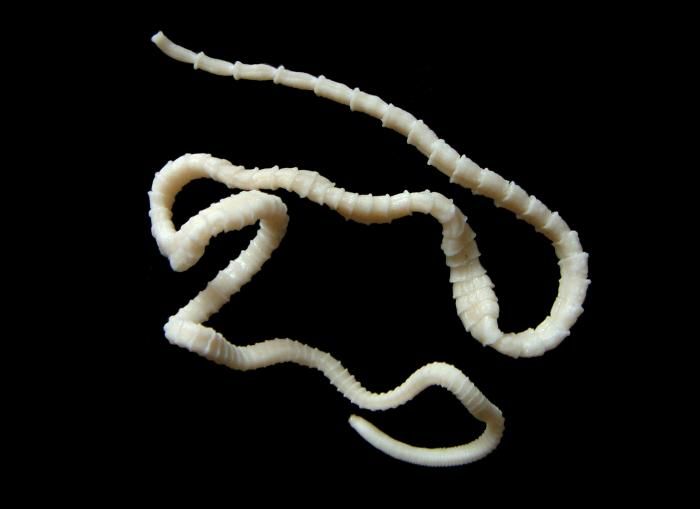

A relationship between two organisms in which both organisms benefit.
Mutualism
Competition
Parasitsm
Commensalism

Barnacles create home sites by attaching themselves to whales. This neither harms nor benefits the whales. What kind of relationship is this?
Mutualism
Parasitism
Commensalism

