wayground logo

Free Printable Worksheets

NEW

Font size

S
M
L
XL
Worksheets

Ecoysystems--Lesson 1 & 2 Review

Total questions: 40

Worksheet time: 40mins

Name
Class
Date
1.

All of the living and non-living things and how they interact with each other in a shared community.

a)

ecosystem

b)

biotic

c)

abiotic

d)

essential

2.

a part of the ecosystem like plants, animals and bacteria that require energy to survive and have basic needs that must be met

a)

living (biotic)

b)

nonliving (abiotic)

c)

esential

d)

ecosystem

3.

the parts of an ecosystem that have NEVER been living and NEVER will be; examples include the sun, water, air, soil, weather conditions, and rocks

a)

nonliving (abiotic)

b)

living (biotic)

c)

terrarium

d)

essential

4.

An enclosed environment with a layer of dirt at the bottom in which plants and small animals can live

a)

essential

b)

interaction

c)

nonliving (abiotic)

d)

terrarium

5.
What type of organism makes its own food?
a)
consumer
b)
carnivore
c)
producer
d)
animal
6.
What are organisms that use other organisms for food in order to gain energy?
a)
decomposers
b)
producers
c)
herbivores
d)
consumers
7.
From where do producers get their energy?
a)
the ground
b)
other animals
c)
decomposers
d)
the sun
8.
Which are examples of consumers?
a)
grass and cows
b)
turtles and seaweed
c)
owls and bears
d)
sun and mushrooms
9.
Which of the following would support that insects are consumers?
a)
Insects get their energy by eating plants or animals.
b)
Insects are able to make their own food.
c)
Insects get their energy from the air.
d)
Insects are able to live without energy.
10.
Which of these describes how animals get energy they need to live and survive?
a)
They use sunlight.
b)
They drink water.
c)
They drink water and juice.
d)
They eat plants or other animals.
11.
You see a grasshopper on a leaf. What could you say about how the grasshopper gets its energy?
a)
It gets energy from the air.
b)
It gets energy from the leaf.
c)
It gets energy from soil.
d)
It gets energy from water.
12.
Which of the following organisms is able to produce its own food?
a)
bear
b)
turtle
c)
trees
d)
deer
13.
When the owl eats a rabbit, what is the role of the owl in the food chain?
a)
herbivore
b)
consumer
c)
omnivore
d)
producer
14.

Abiotic means

a)

living

b)

nonliving

15.

What is the difference between the biotic and abiotic factors?

a)

Biotic factors are living things and abiotic factors are nonliving things.

b)

Biotic factors are nonliving things and abiotic factors are living things.

16.
Biotic means
a)
living
b)
nonliving
17.

What is a example of a abiotic factor?

a)

Panda

b)

Bacteria

c)

Butterfly

d)

Weather

18.
Temperature, light, air, water, and soil are all  _____  parts of the environment
a)
alive
b)
biotic 
c)
abiotic
d)
living
19.

Temperature is an example of what kind of factor?

a)

biotic

b)

abiotic

c)

dead

d)

living

20.
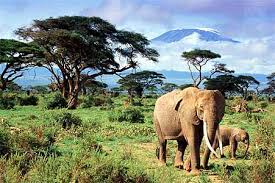
What are the biotic factors in this image?
a)
sunlight, elephants, and grasses
b)
sunlight, water,  and air
c)
elephants, plants, trees 
21.

Temperature is a _________factor

a)

Biotic

b)

Abiotic

c)

living

d)

cool

22.

The sun is a _______factor

a)

Biotic

b)

Abiotic

23.

Soil is an example of a

a)

Biotic factor

b)

Abiotic factor

c)

competition

d)

herbivorous

24.
Temperature, light, air, water, and soil are all  _____  parts of the environment
a)
alive
b)
biotic 
c)
abiotic
d)
living
25.
Is a deer an abiotic or biotic factor? 
a)
abiotic
b)
biotic
26.
Is a fern an abiotic or biotic factor? 
a)
abiotic
b)
biotic
27.
Is a weather an abiotic or biotic factor? 
a)
abiotic
b)
biotic
28.
Is sunlight an abiotic or biotic factor? 
a)
abiotic
b)
biotic
29.
A living or once-living organisms in an ecosystem is a
a)
population
b)
biotic factor
c)
abiotic factor
d)
community
30.
Which of the following is not an abiotic factor?
a)
sun
b)
temperature
c)
soil
d)
grass
31.
A nonliving element in an ecosystem is an 
a)
animal
b)
abiotic factor
c)
biotic factor
d)
organism
32.
Which of the following is not a biotic factor?
a)
mushroom
b)
air
c)
elephant
d)
coyote
33.

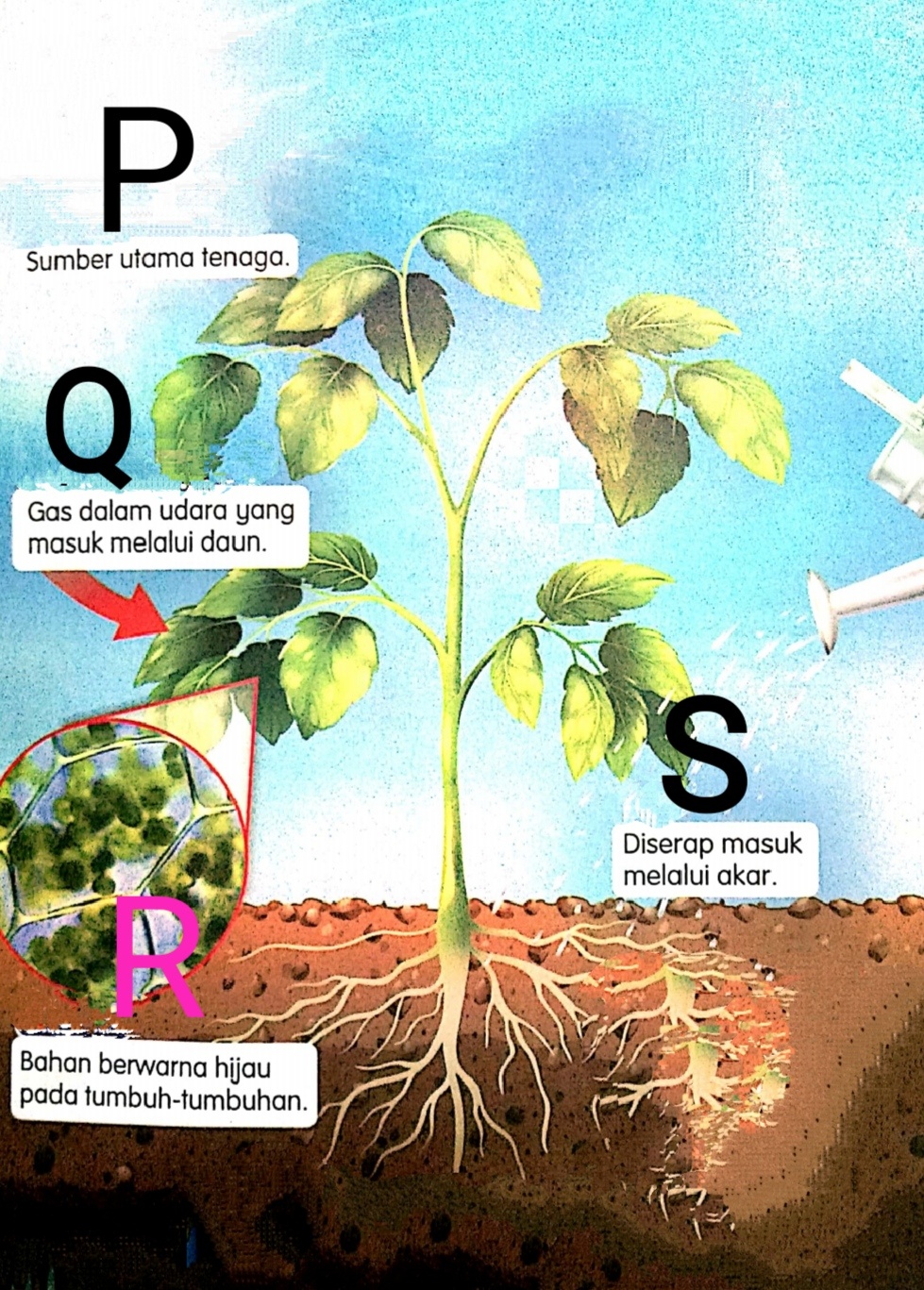
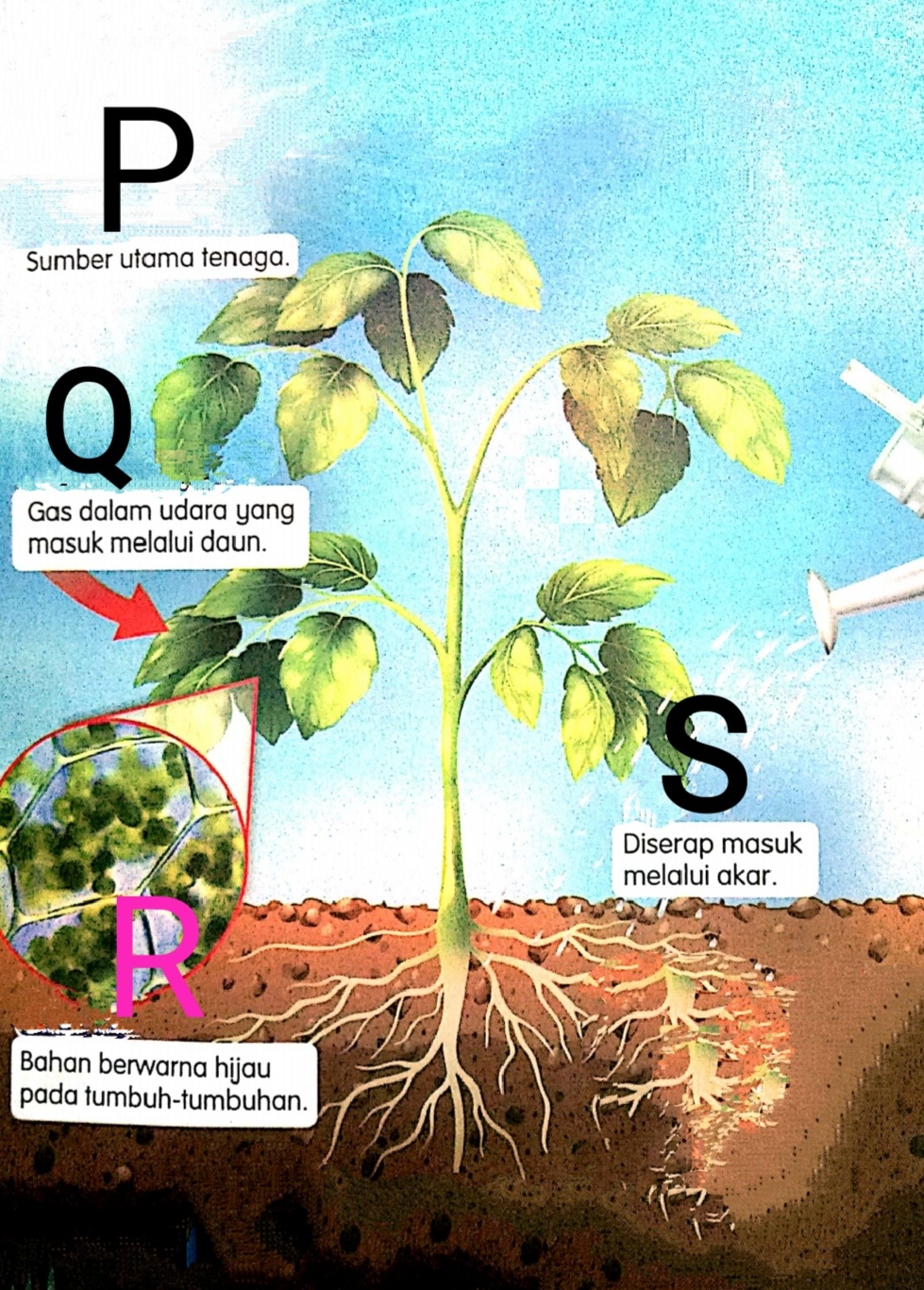
Diagram 1 shows 4 needs of photosynthesis. What is P?

a)

Carbon dioxide

b)

Water

c)

Chlorophyll

d)

Sunlight

34.

Based on the picture, what is Q?

a)

Water

b)

Carbon dioxide

c)

Chlorophyll

d)

Sunlight

35.

What is S?

a)

Air

b)

Water

c)

Carbon dioxide

d)

Chlorophyll

36.
What gas  do plants give off after conducting photosynthesis that humans/animals need in order to live?
a)
Oxygen
b)
Carbon
c)
Nitrogen
d)
Hydrogen
37.
Plants take in ________from the air as one key ingredient for photosynthesis
a)
oxygen
b)
soil
c)
carbon dioxide
d)
sugar
38.
The main source of energy for all life comes from ____.
a)
the Earth
b)
the moon
c)
the sun
d)
the food we eat/make
39.
Why are producers (plants) important for all life on Earth? 
a)
They make our world more beautiful
b)
They make the planet look green
c)
They use carbon dioxide and give us oxygen
d)
They provide shade for insects
40.
What are the 3 key ingredients needed for photosynthesis
a)
glucose, oxygen, carbon dioxide
b)
carbon dioxide, water, glucose
c)
water, soil, sunlight
d)
sunlight, water, carbon dioxide