wayground logo

Free Printable Worksheets

NEW

Font size

S
M
L
XL
Worksheets

Respiratory System (6-T)

Total questions: 60

Worksheet time: 4hrs 25mins

Name
Class
Date
1.

We breathe in carbon dioxide and breathe out oxygen

a)

True

b)

False

2.

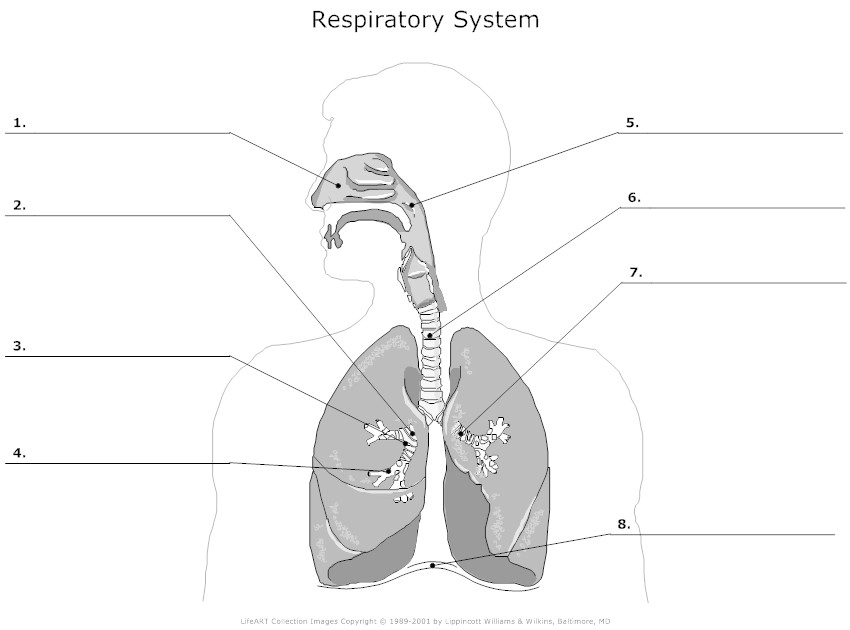
NUMBER 1:

a)

lungs

b)

pharynx

c)

mouth

d)

alveoli

3.

NUMBER 2:

a)

Pharynx

b)

Bronchi

c)

Alveoli

d)

Lungs

4.

NUMBER 6:

a)

Lungs

b)

Trachea

c)

Mouth

d)

Alveoli

5.

NUMBER 3:

a)

Pharynx

b)

Trachea

c)

Bronchi

d)

Alveoli

6.

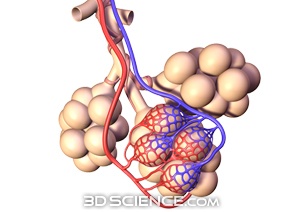
Inside the lungs, the bronchi divide into smaller tubes. At the end of these tubes, there are tiny sacs called...

a)

Pharynx

b)

Trachea

c)

Lungs

d)

Alveoli

7.

When we breath in the diaphragm...

a)

Contracts

b)

Relaxes

8.

When we breathe out the diaphragm...

a)

Contracts

b)

Relaxes

9.

When we breathe out, the ____________ leaves our lungs.

a)

Carbon dioxide

b)

Oxygen

10.

Which are the main organs in the respiratory system?

a)

Heart

b)

Stomach

c)

Lungs

d)

Nose

11.
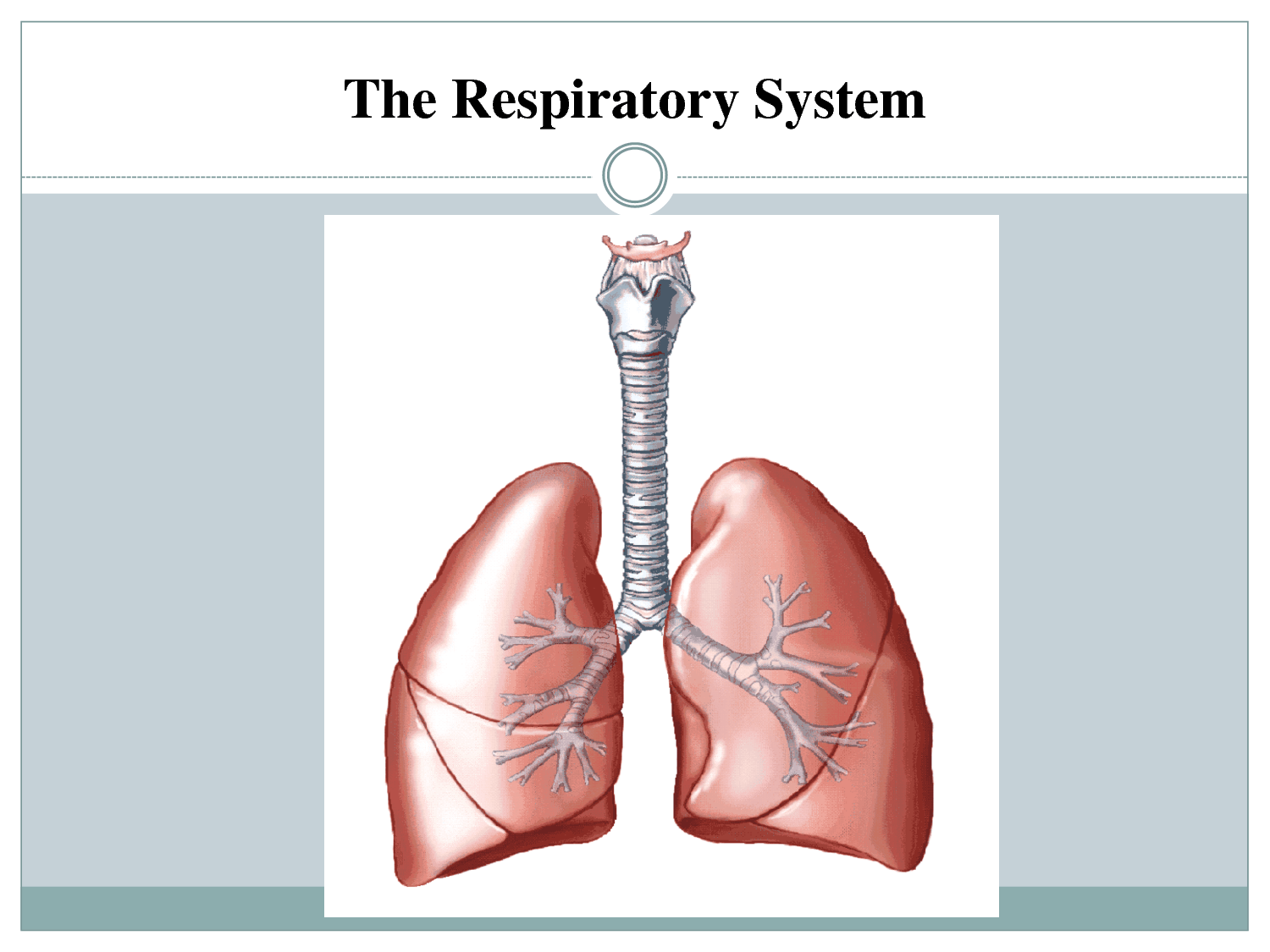
What are these?
a)
Stomach
b)
Esophagus
c)
Lungs
d)
Mouth
12.

The nose has two holes called ____ where the air enters our body

a)

Trachea

b)

Nostrils

c)

Bronchi

13.

The respiratory system is made up of ___

a)

The heart, blood, trachea and bronchi

b)

The brain, muscles and lungs

c)

The nostrils, trachea, bronchi and lungs

14.

The respiratory system takes in oxygen and gives out _____

a)

Carbon dioxide

b)

More oxygen

c)

Air and nutrients

15.

The trachea is a tube that divides into two smaller tubes called _____

a)

Bronchi

b)

Nostrils

c)

Lungs

16.

The ____ are two sacks that are protected by our ribs

a)

Lungs

b)

Trachea

c)

Octopuses

17.

Where do we have our vocal cords?

a)

In the larynx

b)

In the pharynx

c)

In the trachea

d)

In the mouth

18.

They are two bag-shaped spongy organs

a)

Lungs

b)

Vocal cords

c)

Bronchi

d)

Bronchioles

19.

Little bags where the change between oxygen and carbon dioxide happens

a)

Alveolus

b)

Bronchioles

c)

Lungs

d)

Trachea

20.

When we inhale, the air

a)

Goes inside the lungs

b)

Goes outside the lungs

21.

When we exhale, the air...

a)

Goes out

b)

Goes inside the bones

22.

The air gets into the lungs through the bronchioles. Bronchioles end in little bags called...

a)

Alveolus

b)

Bronchioles

c)

Bronchi

d)

Lungs

23.

What do we take in when we inhale?

a)

carbon dioxide

b)

oxygen

c)

lungs

24.

What do we let out when we exhale?

a)

oxygen

b)

Carbon dioxide

c)

lungs

25.
Inhale!!!!
Your lungs are ___________  air
a)
taking in
b)
letting out
26.
EXHALE!!!
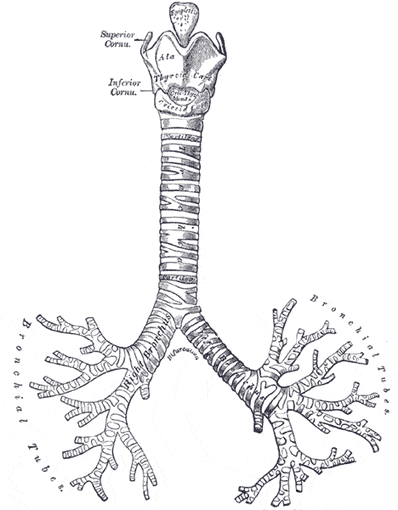
My lungs are __________________ air. 
a)
taking in
b)
letting out
27.
What is the main function of the respiratory system?
a)
to provide oxygen and remove carbon dioxide from the body
b)
to bring oxygen to the body
c)
to break down food and absorb nutrients
d)
to remove oxygen from the body and deliver carbon dioxide
28.
What are the main organs of gas exchange in the respiratory system?
a)
diapragm
b)
lungs
c)
trachea
d)
bronchi
29.
When you breathe, your lungs take in ___ and remove ___. 
a)
air/oxygen
b)
oxygen/carbon dioxide 
c)
carbon dioxide/waste 
d)
waste/air 
30.
The two main branches from the trachea (one to each lung)
a)
bronchi
b)
alveoli
c)
capillaries
d)
bronchioles
31.
Name the organ label # 6. 
a)
alveoli 
b)
bronchi 
c)
trachea 
d)
lungs 
32.

The "windpipe" is also called the...

a)

trachea

b)

bronchi

c)

bronchioles

d)

alveoli

33.

What is the main function of the respiratory system?

a)

to provide oxygen and remove carbon dioxide from the body

b)

o break down food and absorb nutrients

c)

to remove oxygen from the body and deliver carbon dioxide

34.

What are the main organs of the respiratory system that allow us to breathe and for gas exchange to happen?

a)

diapragm

b)

lungs

c)

trachea

35.

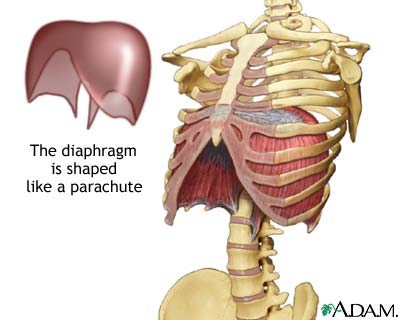
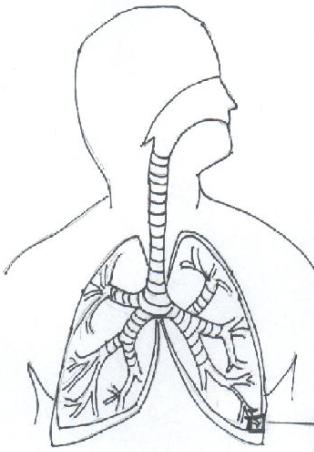
What is function of the dome-shaped diaphragm muscle?

a)

This is where gas exchange happens.

b)

Air passes through the diaphragm on the way to the lungs.

c)

It attaches to the lungs and contracts and relaxes to help in breathing.
36.
When you breathe, your lungs take in ___ and remove ___. 
a)
air/oxygen
b)
oxygen/carbon dioxide 
c)
carbon dioxide/waste 
d)
waste/air 
37.
What is the function of the bronchi?
a)
Transport air from nose to lungs
b)
Transport air from trachea to lungs
c)
Transport air from lungs to alveoli
d)
Transport air from alveoli to blood
38.

These are the two two main branches from the trachea (one to each lung)

a)

bronchi

b)

alveoli

c)

capillaries

d)

bronchioles

39.
The air sacs that are covered with capillaries where gas exchange takes place
a)
bronchi
b)
lungs
c)
oxygen
d)
alveoli
40.
Within the lungs, the exchange of oxygen and carbon dioxide occurs between the ___ and the capillaries. 
a)
trachea 
b)
bronchi 
c)
alveoli
d)
diaphragm
41.
What is tube that is also known as your wind pipe?
a)
esophogus
b)
bronchi
c)
trachea
d)
alveoli
42.

Flap of tissue that covers the opening to the windpipe during swallowing

a)

Pharynx

b)

Trachea

c)

Epiglottis

43.

What type of cells carry oxygen in the blood?

a)

red blood cells

b)

white blood cells

44.

The circulatory system works with the ___________ system to provide our body with oxygen and get rid of CO2 (carbon dioxide).

a)

respiratory

b)

digestive

c)

muscular

d)

skeletal

45.
The circulatory system works with the __________ system to obtain energy from nutrients that we eat. 
a)
respiratory 
b)
digestive
c)
skeletal
d)
nervous
46.
a flap of tissue that closes when we eat so food doesn't not go down the trachea
a)
larynx
b)
pharynx
c)
trachea
d)
epiglottis
47.
A chamber behind the nose and mouth that leads to the trachea
a)
pharynx
b)
trachea
c)
epiglottis
d)
larynx
48.
Letter B is pointing to which organ of the Respiratory System?
a)
Nose
b)
Trachea
c)
Lungs
d)
Diaphragm
49.
How is carbon dioxide released from the body? 
a)
When we exhale
b)
When we urinate
c)
When we sweat
d)
When we inhale
50.
What does a spasm of the diaphragm cause?
a)
cough
b)
sneeze
c)
hiccup
d)
yawn
51.
During exhalation the diaphragm moves up and the volume of air decreases in the lungs.
a)
True
b)
False
52.
After air moves through the pharynx it continues downward. The _____, or windpipe, directs the air into 2 separate branches or tubes.
a)
mucus
b)
trachea
c)
larynx
d)
epiglottis
53.
The tubes that go from the trachea into the lungs
a)
alveoli
b)
diaphragm
c)
epiglottis
d)
bronchial tubes
54.
cleans, moistens, and warms the air
a)
trachea
b)
larynx
c)
nasal passage
d)
windpipe
55.
Given the following structures:
1. larynx
2. nasal cavity
3. pharynx
4. trachea
Which of the following is the correct order that air would flow during inhalation. 

a)
1,2,3,4
b)
2,3,1,4
c)
2,1,3,4
d)
4,2,3,1 
56.
Tiny tubes that branch off of bronchi
a)
capillaries
b)
alveoli
c)
bronchioles
d)
pluera
57.
To take in oxygen
a)
exhale
b)
cough
c)
hiccup
d)
inhale
58.
To release carbon dioxide
a)
exhale
b)
inhale
c)
cough
d)
hiccup
59.
Which is NOT a function of the Respiratory System?
a)
it warms the air
b)
it exchanges O2 and CO2
c)
It pumps blood to the organs
d)
it creates sound through the larynx
60.
The diaphragm is found:
a)
At the back of the throat.
b)
Below the larynx.
c)
Under the epiglottis.
d)
Under the rib cage.