
 Worksheets
Reproduction in Plants & Animals (8-T)
Total questions: 60
Worksheet time: 33mins
Female reproductive organ that produces eggs-
anther
ovary
petal
pista
The colorful leaf-like structures of flowers
ovary
pistil
petal
stamen
The part of a flower that contains the pollen
anther
ovary
pistil
stamen
A female structure of the flower that contains the stigma, style, and ovary
anther
petal
stamen
pistil
Male structure of the flower that contains the anther
stamen
pistil
anther
petal
The process in which an organism produces more of its own kind is called-
genetics
reproduction
adaptive behavior
offspring
Plants can reproduce in various ways. What two specialized structures help a plant reproduce?
strong bark and large leaves
no scent and brightly colored flowers
attractive scents and sturdy stems
brightly colored flowers and attractive scents
Name three ways an animal can attract a mate-
1-
2-
3-
Name two ways that seeds can be transported-
1-
2-
The songs of birds are part of a ritual to attract mates of their own species. The song presents specific patterns recognized only by members of the same species (the same kind of birds). What ADVANTAGE does this present for that species of birds?
Explain your answer-
Use DETAILS!
What type of reproduction doe these terms relate to: DNA, male, female, unique, traits, egg, sperm
Asexual Reproduction
Sexual Reproduction
What type of reproduction doe these terms relate to: one parent, spores, uniform, budding, hydra
Asexual Reproduction
Sexual Reproduction
Animals have developed characteristic behaviors that help in________________________the odds of being able to reproduce.
decreasing
equalizing
leveling
increasing
Explain how a BAT helps in the transportation of seeds-
Use details!
Make sure that you go through the steps!
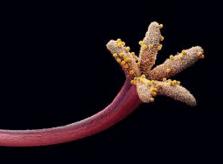

Why do living things reproduce?
Living things do not have a choice.
To ensure continuity of their kind.
To ensure consistency in their kind.
What are NOT being passed down from parent plant to their young olant?
feathery stigma
type of fruit
brightly coloured flowers
fertile soil
Which of the following is the right order?
Pollination -- Dispersal -- Germination -- Fertilisation
Pollination -- Fertilisation -- Germination -- Dispersal
Pollination -- Dispersal -- Fertilisation -- Germination
Pollination -- Fertilisation -- Dispersal -- Germination
What is NOT a characteristic of seeds dispersed by wind?
wing-like structures
feathery
light
Has pods
Which is NOT a characteristic of flowers that are pollinated by wind?
feathery stigma
light
sweet nectar
small petals
Which of the following is NOT a characteristic of seeds dispersed by water?
has fibrous husks
has hooks
has waterproof covering
can stay afloat on water
When we prevent overcrowding of plants, we reduce the competition for ________________________________________.
Water, Minerals and Light
Water, Nutrients and Minerals
Water, Nutrients, Light and Minerals
Water, Light and Space
Which is NOT a characteristic of seeds dispersed by animals?
Fruits or seeds have hooks
Fruits are fleshy and juicy
Fruits have trapped air in their husks
Seeds are passed out through animal's droppings
Which of the following consists of only parts of the female parts of the flower?
style, ovary, anther, pollen grain
anther. style, ovary, stigma, egg cell
egg cell, male reproductive cell, ovule
ovule, ovary, style, stigma, egg cell
Which of the following is describes Self-Pollination?
Pollen grains are transferred from anther to stigma of another flower.
Pollen grains are transferred from filament to stigma of the same flower.
Pollen grains are transferred from anther to stigma of the same flower.
Pollen grains are transferred from stigma to anther of the same flower.
Although all flowers later opened normally, only those on plant 1 produced seeds. This results shows that:
The colorful , leaf-like structures that encircle the center part of the flower
Pollen
Reproduction
Pollination
Petals
Ovary
The male structure of the flower; contains the anther
Pollen
Reproduction
Specialized
Stamen
Pollination
What a plant or animal does
Behavior
Pollen
Specialized
Stamen
Petals
The part of the flower that contains the pollen; located at the end of the stamen.
Behavior
Anther
Pollen
Reproduction
Specialized
The female reproductive organ that produces eggs.
Behavior
Anther
Pollen
Reproduction
Ovary
The female structure of the flower.
Behavior
Anther
Pistil
Reproduction
Ovary
Fine to coarse particles that spread from flowers, seeds and plants.
Behavior
Pollen
Pistil
Reproduction
Ovary
The process of fertilizing flowers by transferring pollen from the male to the female parts.
Pollen
Reproduction
Specialized
Stamen
Pollination
The process by which organisms produce more of their own kind.
Behavior
Pollen
Pistil
Reproduction
Ovary
Having characteristics that allow specific functions to be performed.
Pollen
Reproduction
Specialized
Stamen
Pollination

The male structure of the flower; contains the anther and filament
pistil
stamen
ovary
sepal

The part of a flower that contains the pollen; located at the end of the stamen
anther
filament
stigma
style
The part of a flower that contains the pollen; located at the end of the stamen
anther
filament
stigma
style
The female structure of the flower, contains the stigma (sticky opening that captures pollen), style, and ovary
pistil
stamen
sepal
filament
A female reproductive organ that produces eggs
ovary
stigma
style
anther

The colorful, leaf-like structures that encircle the center part of the flower
petals
pistil
stamen
stems
Fine to coarse particles spread from flowers and seeds of plants that contain sperm cells
pollen
pistil
stamen
sepal

Modified leaves that encase the developing flower
sepal
petals
pistil
filament

The process of fertilizing flowers by transferring pollen from the male to female parts
pollination
asexual reproduction
budding
flowerization
The process by which organisms produce more of their own kind
reproduction
pollination
evaporation
multiplication
Describes an organism that has cells with a nucleus and other membrane-bound organelles
Eukaryotic
Prokaryotic
Cellular
Pollinated
In Asexual reproduction the offspring will be
genetically identical to the parents
genetically different from the parents
bigger and stronger then the parents
smaller and weaker then the parents
Which one is NOT an example of seed dispersal?
The wind blows seeds to a new location
An animal eats a fruit, walks to a new location and poops
The bright colors of flower petals attract bees which land on the flower then fly to another flower
Birds singing or dancing to attract a mate
Find all the female parts that make up the pistil
stigma
style
ovary
anther
filament
Find all the parts that make up the male part (stamen) of the flower
anther
filament
stigma
ovary
style
Pollination is a form of what type of reproduction?
Asexual
sexual

