Wayground logo

Free Printable Worksheets

Font size

S
M
L
XL
Worksheets

Landforms Review

Total questions: 38

Worksheet time: 26mins

Name
Class
Date
1.
The thinnest layer of the Earth is the ___________.
a)
mantle
b)
crust
c)
core
2.
What is the thickest layer of the Earth?
a)
the crust
b)
the mantle
c)
the outer core
d)
the inner core
3.

A map is provided that presents information on a certain region of the Earth. Based on the information on the map, at which location are mountains most likely to form?

a)

A

b)

B

c)

C

d)

D

4.

Tectonic plates float on top of the ________

a)

Crust

b)

Mantle

c)

Inner Core

d)

Outer Core

5.
Name this boundary
a)
Convergent
b)
Divergent
c)
Transform
d)
Sergent
6.
Name the boundary
a)
divergent
b)
convergent
c)
transform
d)
sergent
7.
Name the boundary
a)
convergent
b)
transform
c)
divergent
d)
sergent
8.
Which of the following is associated with transform boundary?
a)
volcanoes
b)
mountains
c)
trenches
d)
earthquakes and fault line
9.
Mountains form from....
a)
Plates sliding past one another
b)
collision of plates
c)
plates moving away from each other
d)
none of these
10.
Earth's plates are....
a)
Constantly moving and changing the face of the Earth
b)
Never moved
c)
Move seldom and very fast
d)
move when they feel like it
11.
Which is subducted in an ocean-continental convergent boundary?
a)
continental plate
b)
oceanic plate
12.
The supercontinent in the continental drift hypothesis was called ____.
a)
Pantry
b)
Pangaea
c)
Wegenerland
d)
Eurasia
13.

According to the dichotomous key which rock is granite:

a)
b)
c)
d)
e)
14.
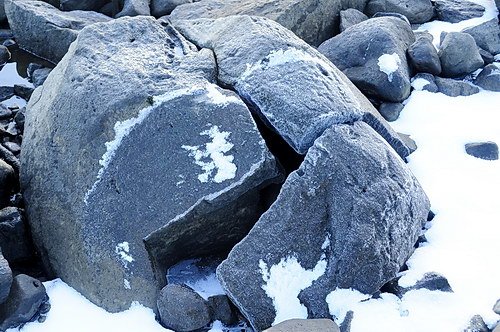
How does freezing water cause the weathering of rocks?  The freezing water—
a)
keeps the rocks in place.
b)
makes the rocks last longer.
c)
expands cracks and breaks rocks.
d)
causes rocks to fall in landslides.
15.
The process that breaks down rocks and other materials on Earth's surface is called
a)
Weathering
b)
Erosion
16.
What is the process that picks up and moves weathered rocks?
a)
Erosion
b)
Landslide
c)
Weathering
17.
The process by which water, ice, wind, or gravity moves weathered rock and soil from one place to another.
a)
Weathering
b)
Erosion
c)
Deposition
d)
Crop Rotation
18.
Which of these is an example of erosion?
a)
Light shining onto a mountain.
b)
Rain breaking down rocks on a mountain into smaller pieces. 
c)
Wind blowing away sediment to a new place on the mountain.
d)
All of the above.
19.
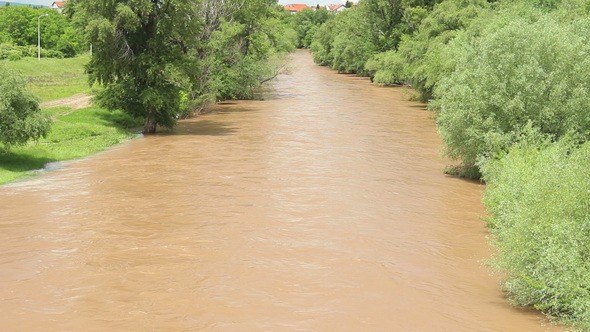
Muddy water being carried away by a fast-moving river is an example of
a)
Weathering
b)
Erosion
c)
A mess
d)
A nice place to swim
20.
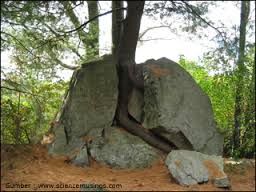
How do plants weather rocks?
a)
Plants don't weather rocks.
b)
When roots grow into cracks of rocks and expand the rock breaks.
c)
When the plant moves water from the roots to the leaves, the rock breaks.
21.

Hillsides are sometimes terraced to grow plants. What is the purpose of using terraces?

a)

to keep roots from spreading

b)

to increase wind erosion

c)

to retain soil and water

d)

to provide protection from animals

22.

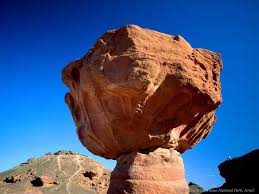
The image above depicts the effects of chemical weathering breaking down limestone. Which type of chemical weathering causes this reaction?

a)

Acid rain

b)

Oxidation

c)

Exfoliation

d)

Abrasion

23.

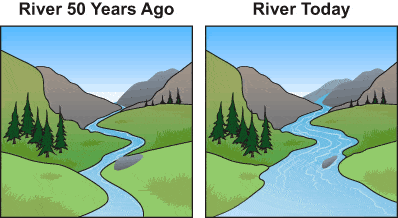
How is the river changing the valley over time?

a)

The river is drying up, exposing rocks

b)

The river becomes more narrow

c)

The river freezes

d)

The river is widening, covering more land and rocks.
24.
Formed by heat and pressure
a)
Sedimentary
b)
Metamorphic
c)
Extrusive Igneous
d)
Intrusive Igneous
25.

Fossils are often found in this rock.

a)

Sedimentary

b)

Igneous

c)

Metamorphic

26.

This rock is usually made up of pieces of rock called sediments that have been pressed and cemented together.

a)

Sedimentary

b)

Igneous

c)

Metamorphic

27.

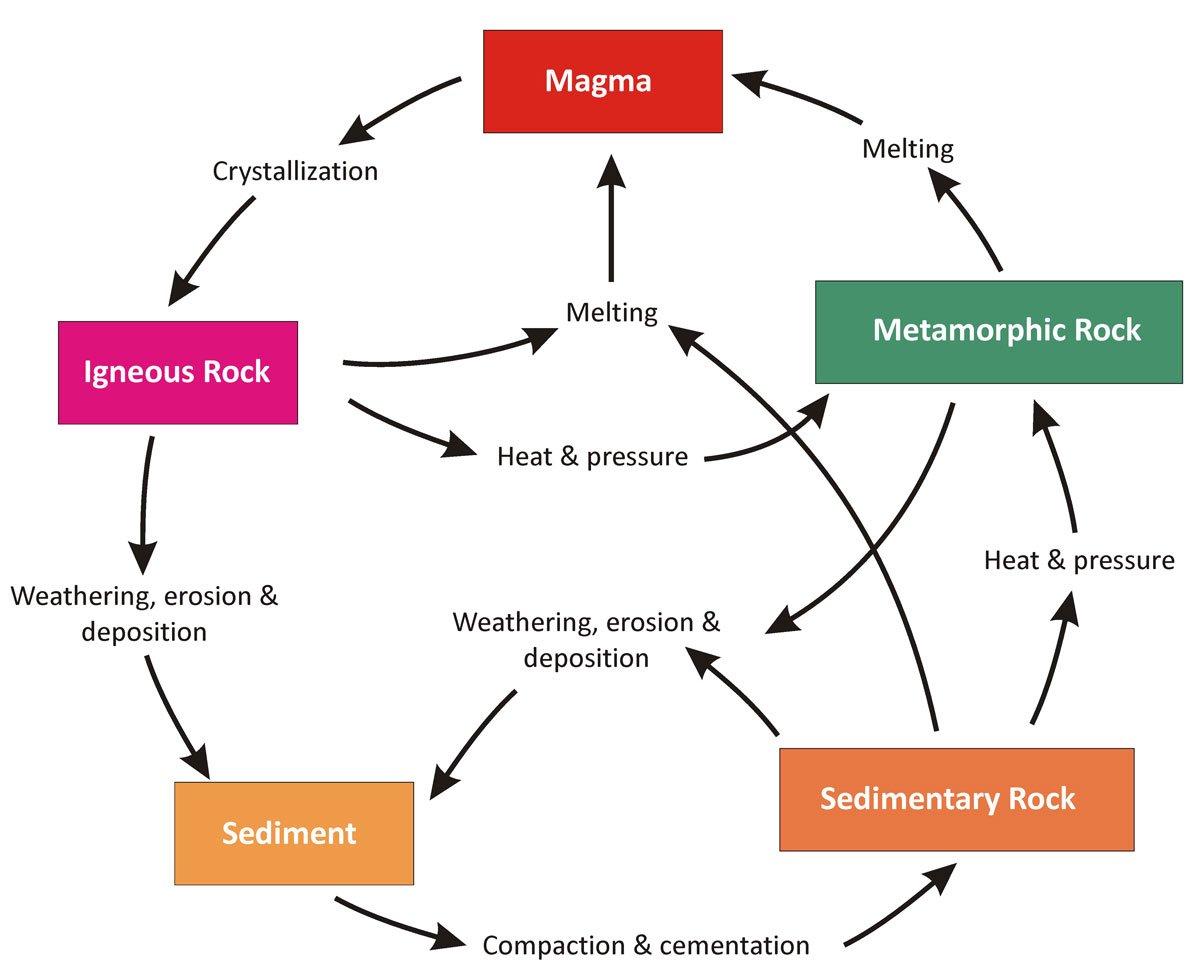
Rocks and sediment change as they move through the rock cycle. Which change involves turning into melting?

a)

Lava to rock

b)

magma to lava

c)

rock to magma

d)

rock to sediment

28.

What must happen to a metamorphic rock before it becomes a sedimentary rock rock?

a)

It must be broken down into sediment

b)

It must be melted into magma

c)

Its minerals must dissolve in water

d)

It must be exposed to high temperature and pressure

29.

According to the diagram, what process is shown by letter B?

a)

compaction & cementation

b)

weather & erosion

c)

heat & pressure

d)

melting

30.
This rock started as molten magma. What type of rock is this?
a)
Sedimentary
b)
Igneous
c)
Metamorphic
31.
This rock was formed by smaller pieces of rock that settled at the bottom of a lake millions of years ago. What type of rock is this?
a)
Sedimentary
b)
Igneous
c)
Metamorphic
32.
The process when rocks break into smaller pieces due to exposure to natural elements is called
a)
erosion
b)
weathering
c)
sediments
33.
What are the 3 major types of rocks?
a)
Igneous, Metamorphic, Sedimentary
b)
Metamorphic, Igneous, Cementation
c)
magma, lava, crystals
34.
The name rock is given when it is broken down into smaller pieces.
a)
texture
b)
weathering
c)
sediment
d)
erosion
35.
True/False: Igneous rocks can only turn into metamorphic rocks.
a)
True
b)
False
36.

This is the continuous process of rock changing from one type to another.

a)

Igneous rocks

b)

Sedimentary rocks

c)

Metamorphic rocks

d)

Rock Cycle

37.

What type of rock might contain evidence of past life?

a)

Sedimentary Rock

b)

Igneous Rock

c)

Metamorphic Rock

38.

According to the diagram, what process is shown by letter B?

a)

compaction & cementation

b)

weather & erosion

c)

heat & pressure

d)

melting