wayground logo

Free Printable Worksheets

NEW

Font size

S
M
L
XL
Worksheets

The Water Cycle

Total questions: 61

Worksheet time: 20mins

Name
Class
Date
1.

When warm, evaporated air rises, it cools and begins to turn into liquid again. This part of the water cycle is called:

a)

a: transpiration

b)

b: precipitation

c)

c: runoff

d)

d: condensation

2.

When moisture is released from the leaves of trees into the air it is called:

a)

a: transpiration

b)

b: evaporation

c)

c: precipitation

d)

d: runoff

3.

What does condensation look like in the sky?

a)

It looks like rain

b)

It looks like clouds

c)

It looks like a tornado

d)

I see it on my windows

4.

What is runoff?

a)

a: the condensation on the mirror in a bathroom

b)

b: the light switch in a water plant

c)

c: the end of a marathon

d)

d: water that runs off the surface of the Earth into rivers and lakes

5.

In the morning, you observe that water droplets have formed on grass. Which process occurred when the water droplets formed on the grass?

a)

condensation

b)

deposition

c)

evaporation

d)

sublimation

6.

Which statement best describes the movement of liquid water from land back into a body of water?

a)

condensation

b)

evaporation

c)

precipitation

d)

runoff

7.

In which form does water rise into the atmosphere when it evaporates?

a)

water vapor

b)

water droplets

c)

snow

d)

ice

8.

Which term best describes a change of state from a liquid to a gas caused by the sun's energy?

a)

evaporation

b)

sublimation

c)

deposition

d)

precipitation

9.
What is the water cycle?
a)
the 3 forms of water
b)
the movement of water on, above, or below the surface of the Earth
c)
when water melts
d)
when clouds form
10.
What is the energy source for the water cycle?
a)
the sun
b)
the earth
c)
water
d)
the moon
11.
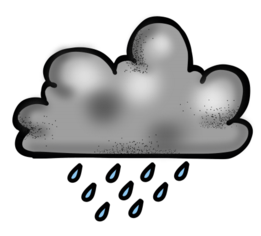
What part of the water cycle does this picture show?
a)
condensation
b)
precipitation
c)
evaporation
12.
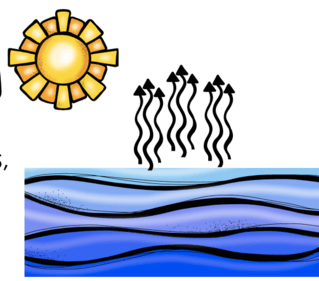
What part of the water cycle does this picture show?
a)
condensation
b)
precipitation
c)
evaporation
13.
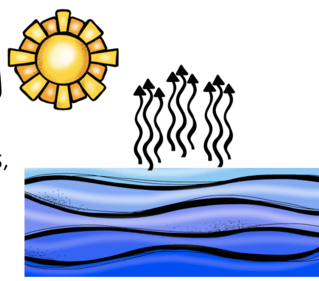
What part of the water cycle does this picture show?
a)
condensation
b)
precipitation
c)
evaporation
14.
When water condenses, the water vapor in the air gets ___________ and changes back into liquid.
a)
cold
b)
hot
c)
warm
d)
solid
15.
When water condenses, the liquid water forms ______________.
a)
water vapor
b)
steam
c)
air
d)
clouds
16.
Precipitation happens when clouds of water droplets are too ______________.
a)
cold
b)
light
c)
heavy
d)
hot
17.
Evaporation happens when the sun ___________ water and turns it into vapor.
a)
cools
b)
heats up
c)
freezes
d)
lights up
18.
Which of these is not an example of precipitation?
a)
rain
b)
clouds
c)
sleet
d)
snow
19.
Which of these is an example of precipitation?
a)
snow
b)
air
c)
clouds
d)
vapor
20.
Does evaporation happen before or after condensation?
a)
before
b)
after
c)
during
21.
Does precipitation happen before or after condensation?
a)
before
b)
after
c)
during
22.

What is the correct order of the water cycle?

a)

cloud, water vapor, rain,

b)

water vapor, cloud, rain

c)

rain, cloud, water vapor

d)

water vapor, rain, cloud

23.

What must happen to water vapor in order for it to turn into liquid droplets?

a)

It must be heated.

b)

It must be cooled.

c)

It must remain the same temperature.

d)

It must be pushed by wind.

24.

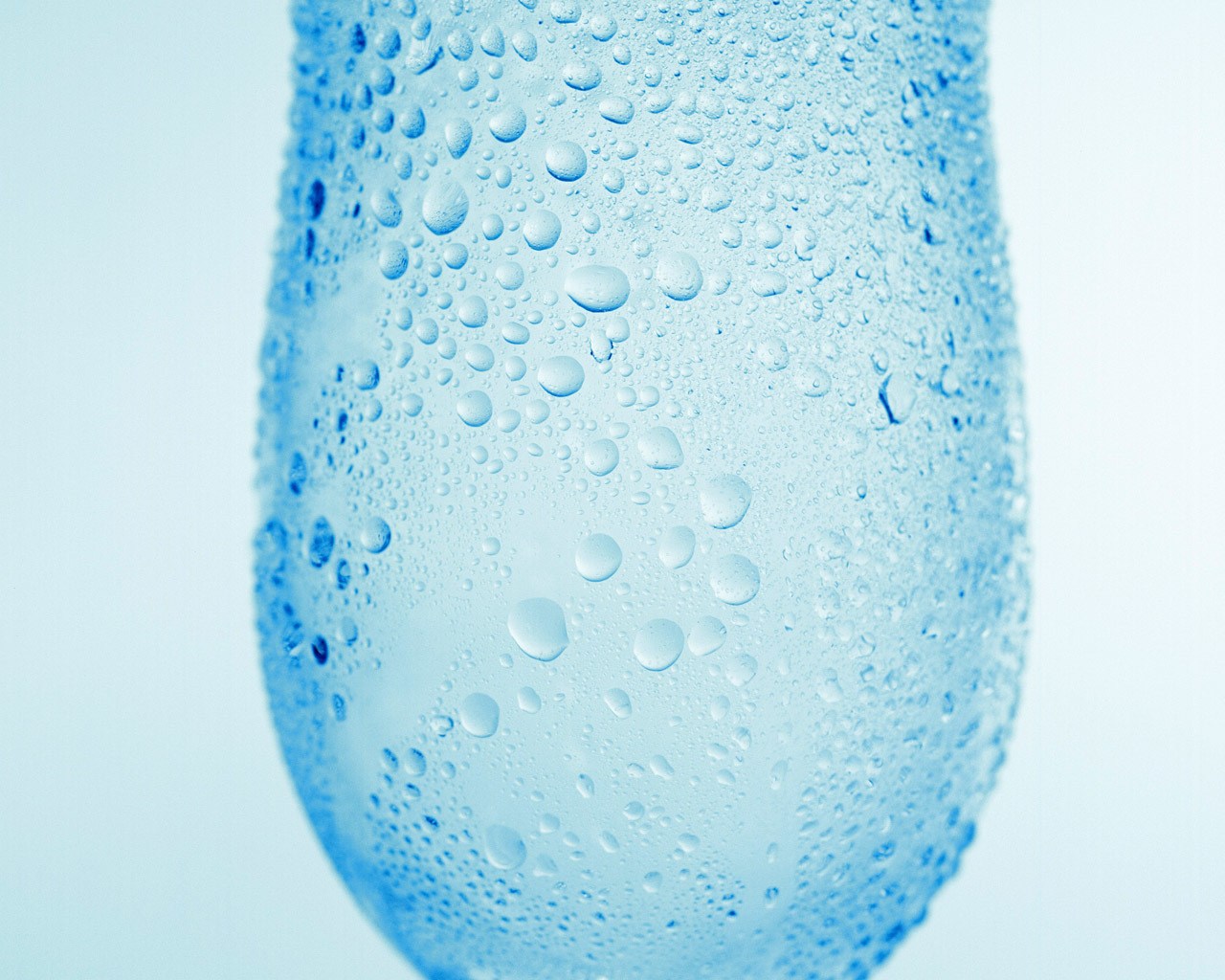
A cold, closed bottle of water is left in the sun. Water forms on the outside of the bottle. This is an example of

a)

evaporation

b)

precipitation

c)

water vapor

d)

condensation

25.

What is the correct order of the water cycle?

a)

precipitation, evaporation. run off, condensation

b)

evaporation, run off, precipitation, condensation

c)

evaporation, condensation, precipitation, run off

d)

run off, condensation, evaporation, precipitation

26.

How do clouds form from water vapor?

a)

evaporation then precipitation

b)

condensation then precipitation

c)

precipitation then condensation

d)

evaporation then run off

27.

The class created models of the water cycle in plastic bags. Which would represent the precipitation stage of the water cycle?

a)

The amount of water in the cup.

b)

The water vapor at the top of the bag.

c)

The amount of sunlight heating the water.

d)

The water droplets running down the side of the bag.

28.
In the water cycle, what happens during evaporation?
a)
Water vapor changes to liquid water.
b)
Water falls to the ground from clouds.
c)
Liquid water changes to water vapor. 
d)
Water flows over the ground. 
29.
In the water cycle, the sun provides
a)
energy for water to evaporate from oceans, lakes and rivers.
b)
water for evaporation to happen. 
c)
energy to produce electricity. 
d)
water for condensation to happen. 
30.
Rain, sleet, snow and hail are all examples of 
a)
evaporation.
b)
condensation. 
c)
weathering. 
d)
precipitation. 
31.
The water cycle has
a)
a beginning and an end. 
b)
no beginning an no end. 
c)
only a beginning. 
d)
only an end. 
32.
What makes Earth different from any other planet we know of?
a)
Lava
b)
Air
c)
Water
d)
Hydrogen
33.
What is the water cycle?
a)
When water rides a bike. 
b)
The movement of water between Earth's surface and atmosphere. 
c)
How water is created. 
d)
How water is destroyed. 
34.
What is the atmosphere?
a)
The blanket of air that surrounds Earth. 
b)
Hydrogen
c)
The different layers of soil on Earth. 
d)
How much air is needed for humans to survive.
35.
How many main steps does the water cycle have?
a)
Unlimited
b)
None
c)
4
d)
100
36.
What is condensation?
a)
the change of water from a gas to a liquid. 
b)
the change of water from a liquid to a gas. 
c)
the change of water from a solid to a gas. 
d)
the change of water from gas to a solid. 
37.

Rain, snow melt, or other water that flows in surface streams, rivers, or canals.

a)

condensation

b)

surface runoff

c)

humidity

d)

evaporation

38.

What process is happening in number 6?

a)

transpiration

b)

evaporation

c)

condensation

d)

accumulation

39.

What is number 1 in the diagram?

a)

condensation

b)

evaporation

c)

runoff

d)

precipitation

40.

What is number 3 in the diagram?

a)

evaporation

b)

precipitation

c)

surface runoff

d)

condensation

41.

The process in which some water within plants evaporates into the atmosphere.

a)

evaporation

b)

transpiration

c)

condensation

d)

precipitation

42.

The process by which molecules of water vapor become liquid water.

a)

transpiration

b)

evaporation

c)

condensation

d)

accumulation

43.

A measure of the amount of water vapor in the air.

a)

humidity

b)

precipitation

c)

evaporation

d)

transpiration

44.

Any form of water that falls from clouds and reaches Earth’s surface.

a)

accumulation

b)

precipitation

c)

condensation

d)

surface runoff

45.

The process by which water molecules in liquid water escape into the air as water vapor.

a)

surface runoff

b)

condensation

c)

evaporation

d)

precipitation

46.
What percentage of the Earth’s water is fresh?
a)
97%
b)
2.3%
c)
<1%
d)
3%
47.
What percentage of the earth is covered by water?
a)
97%
b)
71%
c)
3%
d)
80%
48.

What percentage of the earth water is salt water?

a)

71%

b)

3%

c)

<1%

d)

97%

49.
What percentage of the Earth’s fresh water is available for drinking?
a)
10%
b)
<1%
c)
3%
d)
15%
50.
What percentage of earth's fresh water is found in the polar ice caps?
a)
3%
b)
1%
c)
2.3%
d)
<1%
51.
Chemical formula to represent water's unique structure
a)
Hydrogen + 2 Oxygen
b)
2 Hydrogen + 1 Oxygen
c)
HO
d)
OH
52.
What are the 3 states of matter?
a)
solid, freezing, thawing
b)
solid, liquid, gas
c)
Georgia, Florida, South Carolina
53.
Water that fills the spaces in soil and rock layers
a)
runoff
b)
precipitation
c)
water
d)
groundwater
54.
___________________ is the movement of water into the ground due to the pull of gravity.
a)
runoff
b)
infiltration
c)
evaporation
d)
precipitation
55.
When water vapor condenses directly onto a surface __________________  occurs. 
a)
condensation
b)
dew
c)
rain
d)
frost
56.
This forms when water vapor changes from gas directly to ice crystals on a surface when the temperature at which condensing would take place are at the freezing point or below.
a)
dew
b)
rain
c)
snow
d)
frost
57.
When water enters the atmosphere as water vapor through the release of water vapor from plants' leaves.                
a)
evaporation
b)
transpiration                                      
c)
condensation
d)
ground water
58.
What is A? 
a)
Solid 
b)
Liquid
c)
Gas
59.
What is B? 
a)
Solid 
b)
Liquid
c)
Gas
60.
What is C? 
a)
Solid 
b)
Liquid
c)
Gas
61.
What is water vapor doing when it changes to water?
a)
evaporating
b)
condensing
c)
precipitating
d)
runoff