
 Worksheets
ECOSYSTEM
Total questions: 64
Worksheet time: 2hrs 36mins
True or False:
Organisms are living things
true
false
What is a producer?
organism that cannot make their own food so they eat other organisms
organism that makes their own food
organism that break down dead organisms
What is a decomposer?
an organism that breaks down dead organisms for energy
an organism that makes its own food
an organism that eats other organisms
Does a food chain start with the sun?
yes
no
What is a consumer?
an organism that breaks down dead organisms
an organism that makes its own energy and food
an organism that eats other organisms for energy
What is a food web?
a model that contains many food chains
a model that contains one food chain
a model that shows where the sun gets its energy
a model that shows how decomposers break down organisms
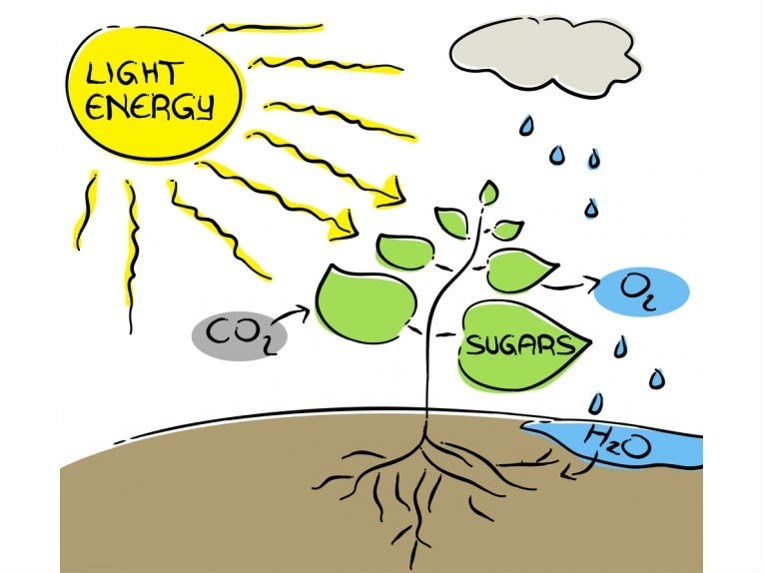
What is the source of all energy?
water
food
decomposers
sun
What do organisms need to survive?
to have their needs met
a comfortable home
animals to eat
humans
What do the arrows in a food web show?
who is the most powerful
the next organism that uses the energy
the prey
the sun
Why do scientists study how animals get their food?
to know what their favorite meal is
so that they understand how energy flows in an ecosystem
to understand why consumers are stronger than decomposers
In a food chain, what comes after a producer?
the sun
a decomposer
a consumer
What is the last thing in a food chain?
a consumer
the sun
a decomposer
a producer
The first organism in a food chain is always a__________.
consumer
producer
carnivore
herbivore

What is it??
Herbivores
Carnivores
omnivore
All correct


who get their energy directly from the sunlight?
herbivores
producers
carnivores
omnivores
which of the following correctly shows how energy flows through a food chain?
sun --> carnivores --> herbivores --> producers
sun --> producers --> carnivores --> herbivores
sun --> herbivores --> producers --> carnivores
sun --> producers --> herbivores --> carnivores
an example of a producer is .......


what is the role of a consumer in the flow of energy through a food chain?
transforming the Sun's energy to make food
obtaining necessary nutrients from the soil
decomposing the remains of living things
gaining energy by eating other living things
a food chain is a series of relationships between members of an ecosystem
so that .......................... can be transferred between them.
force
food
energy
water
if plants are at the bottom of the food chain - how do they get their food?
they get it from the ground
they don't need any
they buy it online
they make it from sunlight

a group of food chains that mix together called ......
food level
food web
food group
food chain

what is an ecosystem?
all the interacting organisms that live in an environment and the abiotic parts of the environment that affect the organisms
the relationship among the biotic parts of the environment
a person who observes and studies the interactions between the biotic and abiotic parts of the environment
the relationship between all the abiotic elements of a pond

in a forest ecosystem, many birds depend on insects for food.
if pesticides are used to eliminate the insect population,
what is the most likely outcome?
the bird population will decrease
the insect population will increase
the bird population will increase
none of the above
temperature, light, air, water, soil, and climate
are all ............................ parts of the environment
living
biotic
natural
abiotic

what do the arrows represent in the food chain?
the amount of energy the organism receives from the sun
how far organisms live from each other
the transfer of energy from one organism to another
the size of the organisms from smallest to largest

a group of organism that living in a certain place is called ........
habitat
population
ecosystem
community

a new fish that also eats plants is introduced into a pond
what changes would occur to this pond ecosystem?
the new fish population will decrease
the large fish population will decrease
the small fish population will increase
the plant population will decrease
organism that breaks down dead organic material is called .........
predator
producer
decomposer
prey

a consumer is .......
an organism that cannot produce its own food
an organism that produces its own food
an abiotic organism
an organism that does not need food to survive




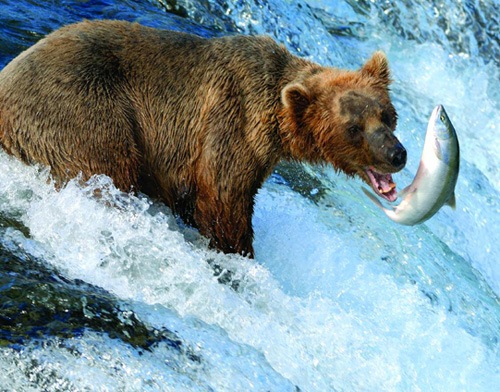


What would happen to the bird if the green fish died out?
the bird population would grow
the bird population would die out
the smaller fish will die out
What does an energy pyramid show?
Energy flow in a community
Longest lifespans
The stronger animal the higher it is on the pyramid
What would happen if their were no producers?
Every population would grow larger
Everything would die out
The animals would make their own food
What would happen if the primary consumers died out?
the producers would grow and the secondary and tertiary consumers would die
producers would die out
consumers would grow
decomposers are producers.
true
false
What will be the first phase of the food chain?
primary consumer
secondary consumer
producer
decomposer
What will be the second phase of the food chain?
primary consumer
secondary consumer
producer
decomposer

Look at the pictures. What will the primary consumer.
vegetable
snail
frog
crow
Look at the pictures. What will the producer?
vegetable
snail
frog
crow

All the individuals of the same kind living in the same environment.
niche
habitat
biome
population
A food web is
a community of organisms with several interrelated food chains
food chain
a fly caught in a spider web
food connected by string
Biotic factors are
factors relating to living organisms
factors relating to nonliving organisms
biological factors
biomes
A species is
a building
a spider
a category of organisms whose members can interbreed
a season

