Worksheets
Exam in AC DC machines
Total questions: 40
Worksheet time: 40mins
The rotating part of a DC motor?
Rotor
Armature
Stator
Yoke
An electric current is defined as the flow of ? through a conductor.
electrons
protons
nuclei
ohms
The unit of electrical potential is the ? , which is represented by the letter ? .
ampere/A
resistance/R
volt/V
watt/W
What is the unit of measurement for resistance?
Voltage
Ampere
Watts
Ohms
This allows energy to flow.
conductor
insulator
This does not allow energy to flow.
insulator
conductor
Which is NOT a conductor


Which is NOT an insulator


When the electric current in wire XY is in the direction shown, there is an upward force on the wire.
If the north and south poles of the magnet exchange positions, in which direction will the force on the wire act?
downwards
upwards
to the left
to the right

A student carries out an experiment to see the effect of a magnetic field on a wire carrying a current. The wire moves upwards as shown.
What should the student do to make the wire move downwards?
change the direction of the current
move the poles of the magnet closer together
send a smaller current through the wire
use a stronger magnet

A current-carrying coil in a magnetic field experiences a turning effect.
How can the turning effect be increased?
increase the number of turns on the coil
reduce the size of the current
reverse the direction of the magnetic field
use thinner wire for the coil

The diagram shows a simple DC electric motor which is rotating.
Which change will make the motor rotate more quickly?
reversing the polarity of the magnets
reversing the battery
removing the magnets
using more powerful magnets
A simple DC electric motor is fitted with a coil that rotates in a magnetic field. A commutator connects the power supply to the coil.
What is the purpose of the commutator?
It converts AC into DC in the coil.
It prevents the current from becoming too great, because the coil has a low resistance
It reverses the direction of the current in the coil after every 180° rotation of the coil
It switches the current off momentarily after every 90° rotation of the coil

A wire XY lies between the poles of a magnet. The diagram shows the upward force on the wire XY caused when there is an electric current in the direction XY as shown.
Three tests are made using this apparatus:
1 The current direction is reversed.
2 The N and S poles are swapped around.
3 The current is switched off.
Which will result in no change in the size of the force on the wire?
1 and 2 only
1 only
2 only
3 only
What does not alter the size of the turning effect on the coil of an electric motor?
the strength of the magnetic field
the direction of the current in the coil
the number of turns in the coil
the size of the current in the coil

A current-carrying wire lies between the poles of two magnets, as shown.
What is the direction of the force on the wire?
into the plane of the paper
out of the plane of the paper
towards the left
towards the right

The diagram shows a current-carrying wire placed between two magnetic poles. The current is in the direction shown.
What is the direction of the force on the wire?
towards the bottom of the page
towards the top of the page
towards the left-hand side of the page
towards the right-hand side of the page
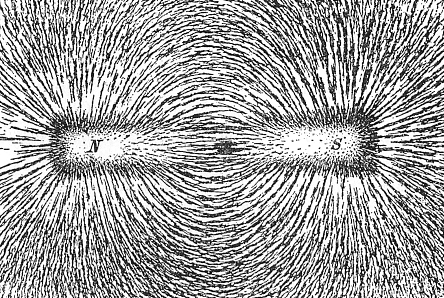
In a _______ a spinning turbine moves magnets which generates an electric current.
Motor
Generator
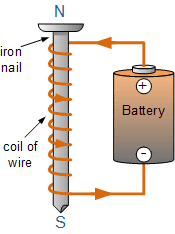
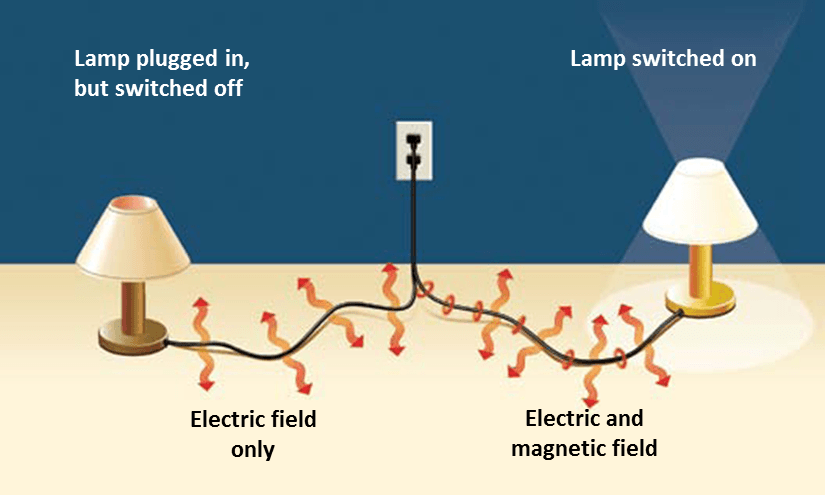
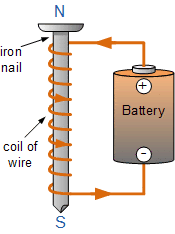
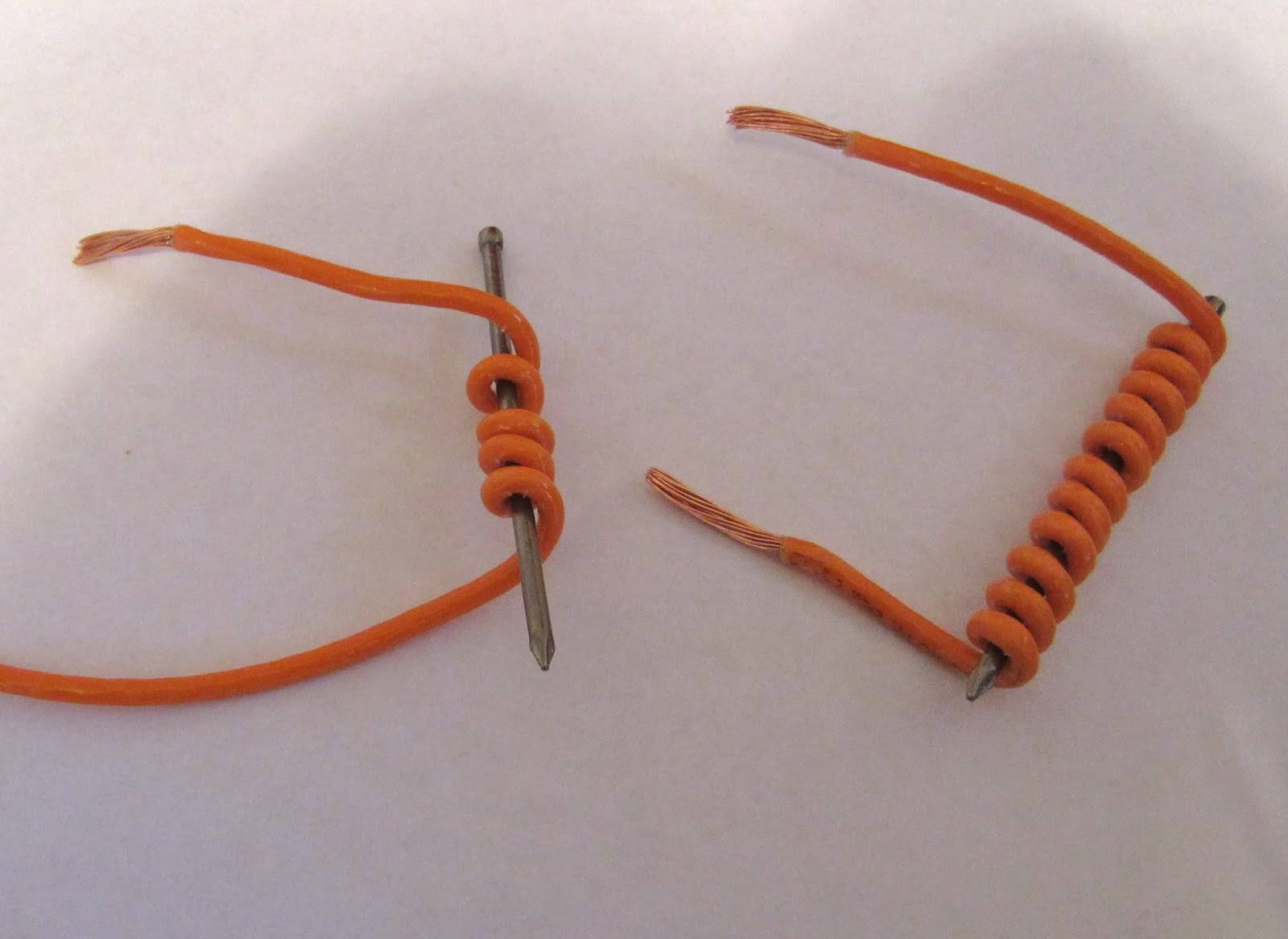
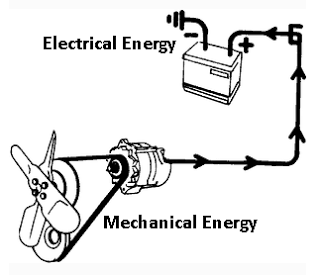
What is the transfer of energy in when you plug in a motor and it spins?
chemical to mechanical
electrical to mechanical
mechanical to electrical
physical to potential