
 Worksheets
Ch 2 Les 3-4 Review
Total questions: 60
Worksheet time: 56mins
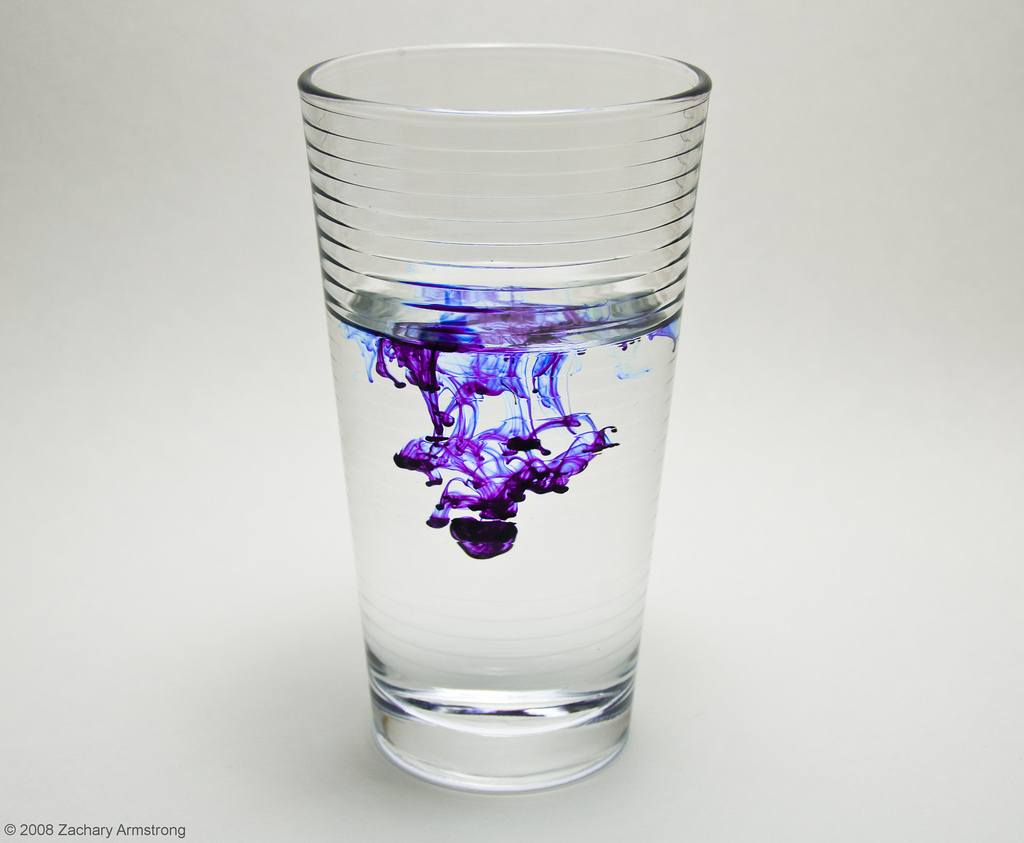
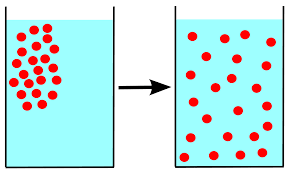
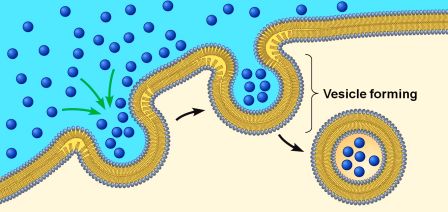
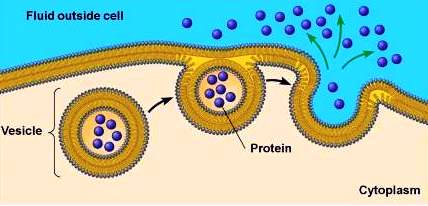

Diffusion is a form of...
Active Transport
Passive Transport
Which of the following is NOT a type of passive transport?
Osmosis
Diffusion
Endocytosis
Facilitated Diffusion
What are the three types of passive transport?
osmosis, diffusion, active transport
active transport, facilitated diffusion, osmosis
diffusion, osmosis, facilitated diffusion
facilitated diffusion, active transport, diffusion


Which type of transport uses protein channels to help the particles move across the cell membrane?
endocytosis
osmosis
facilitated diffusion
exocytosis
When the number of water molecules outside of the cell is greater than inside the cell, which will most likely occur?
Molecules of water will NOT MOVE either way.
Molecules of water will move OUT of the cell.
Molecules of water will move INTO the cell.
Molecules of water will EVAPORATE.
Cell membranes are described as selectively permeable.
Four students were asked to explain what this means. Which one is correct?
Student 1: Cell membranes prevent all materials from entering the cell.
Student 2: Cell membranes only provide structural support for the cell.
Student 3: Cell membranes regulate which substances can enter and exit the cell.
Student 4: Cell membranes allow water and water-soluble substances to enter the cell.
Capillary walls are only one layer of cells thick. Passage of oxygen into and out of the capillaries is controlled most by which process?
collection of waste material
breakdown of materials
diffusion of materials
storage of materials

Which of the following is a sample of osmosis?
plant root absorbing mineral ions from the soil
the scent from a bunch of flowers spreads throughout a room
carbon dioxide move from air into leaves through stomata.
plant root absorbing water from the soil

What does the SUN directly provide to plants for Photosynthesis?
Oxygen
Energy
Carbon Dioxide
Glucose

What does the process of Photosynthesis produce?
glucose and chlorophyll
glucose and oxygen
oxygen and carbon dioxide
glucose and carbon dioxide

Plants produce food for themselves in a process called _____________________.
transpiration
respiration
evaporation
photosynthesis

Plants, algea, and some bacteria have the ability to make their own food by capturing energy from the sun. These types of organisms are:
Autotrophs
Heterotrophs
Saprotrophs
Mesotrophs

Organisms that must eat to get energy are categorized as:
Autotrophs
Heterotrophs

In which organelle does photosynthesis take place?
Mitochondria
Golgi
Cell Membrane
Chloroplast

In which organelle does cellular respiration take place?
Mitochondria
Golgi
Cell Membrane
Chloroplast
Which organism go through cellular respiration?
animals
plants
both animals and plants
none
What's the chemical formula for water?
H2O
6H2O
H2O6
H6O
What's the chemical formula for oxygen?
6O2
2O6
O2
O6
What's the chemical formula for carbon dioxide?
CO6
CO2
6C2O
6CO2
What's the chemical formula for glucose?
6C6H12O6
C12H6O12
C6H12O6
CHO
Which molecule is the reactant of Glycolysis?
water
glucose
carbon dioxide
ATP

What are the reactants (taken into) of cellular respiration? (Mark all of them!)
oxygen
glucose
carbon dioxide
water
energy

What is the correct equation for cellular respiration?
6O2 + C6H12O6 -> 6CO2 + 6H2O + Energy
6O2 + C6H12O6 + Energy -> 6CO2 + 6H2O
6CO2 + 6H2O -> 6O2 + C6H12O6 + Energy
6CO2 + 6H2O + Energy -> 6O2 + C6H12O6

Cellular Respiration's goal is to
make water
make ATP
make glucose
make oxygen

What is the name of the energy produced during cellular respiration?
ATP
NADH
FADH2
glucose

Where does Glycolysis occur inside the cell? (first step in the overall process)
Cytoplasm
Mitochondria
Chloroplast
Nucleus

What are the products (what is released) of cellular respiration? (Mark all of them!)
oxygen
glucose
carbon dioxide
water
ATP (energy)

What pigment captures/absorbs sunlight?
stomata
chlorophyll
chloroplast
phloem
What are the 2 products of photosynthesis? The products are the things made in the process of photosynthesis.
water, sunlight
glucose, carbon dioxide
oxygen, glucose
sunlight, oxygen
What is the main purpose of photosynthesis?
To make food
To create energy
To release oxygen
To absorb sunlight

Select all that are raw materials for Photosynthesis.
Water
Carbon Dioxide
Oxygen
Sunlight (Light Energy)
Glucose (Sugar/food)
Is Glucose (C6H12O6) a Raw Material (Ingredient) or Product of Photosynthesis?
Product
Raw Material
Neither

