
Font size
 Worksheets
HeMS SS - Constitution Unit Quiz
Total questions: 35
Worksheet time: 34mins
What was the weak sauce government in America after the Revolution?
The Declaration of Independence
The Constitution
The Articles of Confederation
The Communist party
Under the Articles of Confederation what is the big problem?
The Federal government doesn't have enough power.
The Federal government has too much power.
The Federal government needed to elect a new king.
The Federal government needs more money.
What does the Articles of Confederation do WELL?
Raise taxes
It can fight the war.
It can regulate trade.
It can make a country.
What does the Constitution get from the Magna Carta?
Self-government
Individual Rights
Limited Government
Religious Freedom
What does the Constitution get from the English Bill of Rights?
Self-Government
Individual Rights
Limited Government
Religious Liberty
What does the Constitution get from the Mayflower Compact?
Self-Government
Individual Rights
Limited Government
Religious freedom
What does the Constitution get from the Fundamental Orders of Connecticut?
Self-Government
Individual Rights
Limited Government
Religious Liberty
What was the "big states" plan?
The New Jersey Plan
The Virginia Plan
The Connecticut Plan
What is the "small states plan?"
New Jersey Plan
Virgina Plan
Connecticut Plan
What was the Compromise between the big states and small states?
The New Jersey Plan
The Virginia Plan
The Connecticut Plan
The New Jersey Plan was good for small states because it had ____________________ representation?
Equal Representation
Proportional Representation
The Virginia Plan was good for large states because it would have granted _________ power.
Proportional
Equal
Greyskull
Who invented/proposed the Great Compromise?
Benjamin Franklin
Alexander Hamilton
James Madison
Roger Sherman
What was the Great Compromise?
A Bicameral(two house) legislature
One house with equal representation called the Senate which is good for the small states
A unicameral(one house) legislature
One house with proportional representation call the House of Representatives for the large states
What was the Compromise that said slaves could be counted as 3/5 of a person for purposes of representation?
The 3/5 Compromise
The 3/5 Bargain
The 3/5 Deal
The Whole Person Compromise
Which two groups were brought together by the 3/5 compromise?
The North
The South
The East
The West
Where is most of the slavery/racism?
The North
The South
The East
The West
Republicanism is...
The people get to vote on laws.
The people get to vote on policy.
The people get to vote on representatives.
The people get to vote on the leadership of the country, but only in times of war.
Individual Rights are...
Rights that cannot be taken from you by the government.
Rights given to you by God.
Life, Liberty and the pursuit of happiness.
Freedom of Religion, Speech, to bear arms, no quartering...
"We the people in order to form a more perfect union...
This is an example of Popular Sovereignty.
This is an example of Individual Rights.
This is and example of Republicanism.
The Supreme Court under the Articles of Confederation was made up of 9 Justices.
True, Today's Supreme Court has 7 Justices
False, There was no supreme court to settle disputes.
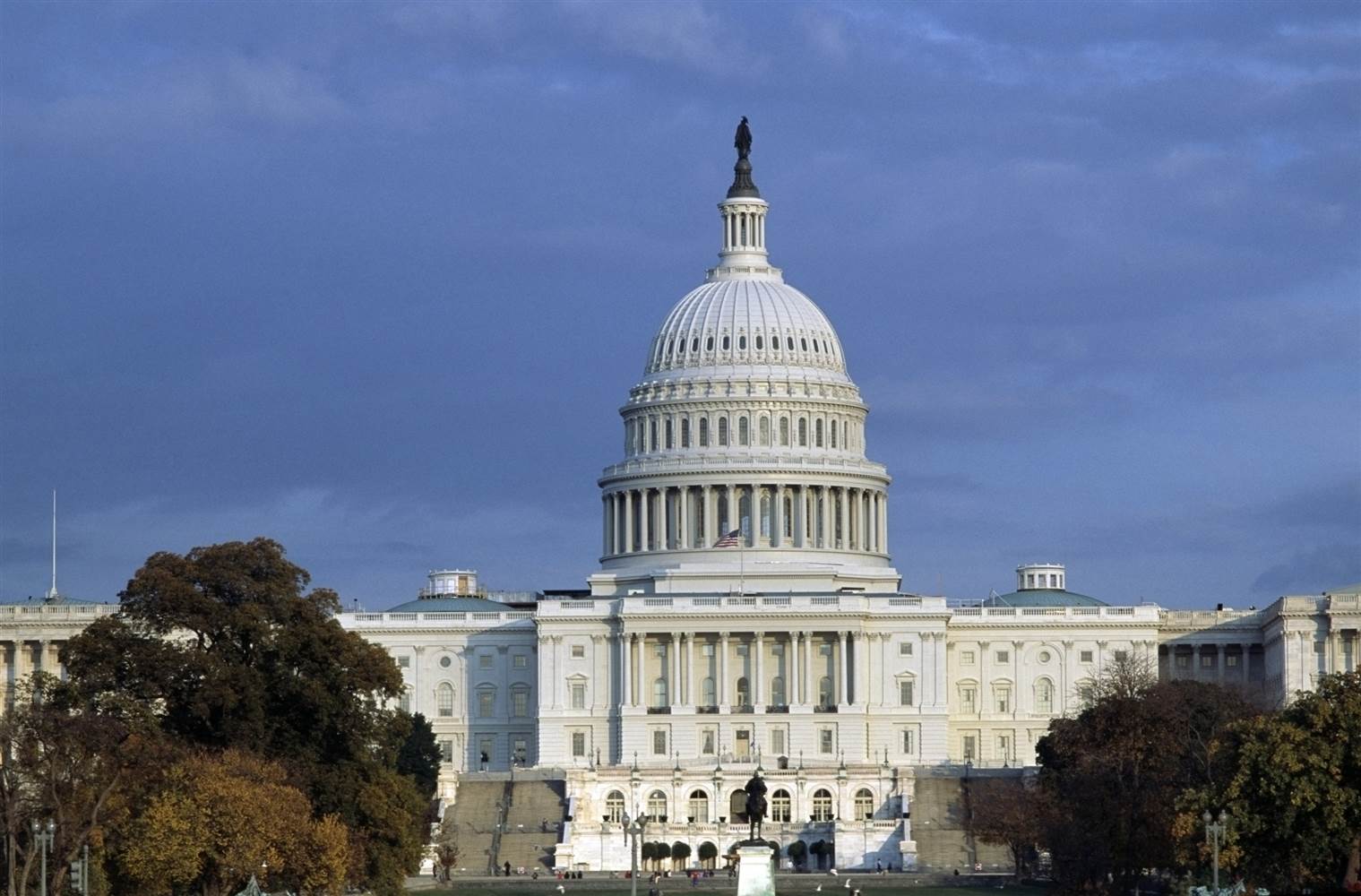
The Great Compromise was a compromise between--
Mass. Plan and New Jersey Plan
Virginia Plan and New Jersey Plan
Small States Plan and Large States Plan
Connecticut Plan and Roger Sherman Plan
The 3/5 Compromise settled the argument of--
How valuable slaves were as people
How slaves should be counted for representation
How slaves should be counted for taxes
How taxes would be divided up among the states
The British Government was too strong(tyrannical). The Articles were too weak sauce. What do you think will happen with the Constitution?
Too strong central government
Too weak central government
Stronger that the Articles, not as strong as the British Monarchy.


