
 Worksheets
Unit II Practice Test
Total questions: 56
Worksheet time: 31mins
"We hold these truths to be self-evident, that all men are created equal, that they are endowed by their Creator with certain unalienable Rights, that among these are Life, Liberty and the pursuit of Happiness. — That to secure these rights, Governments are instituted among Men, deriving their just powers from the consent of the governed"
Declaration of Independence, 1776
In this passage of the Declaration, which Enlightenment philosopher's ideas are present?
John Locke's natural rights
Montesquieu's separation of powers
Thomas Hobbe's social contract theory
Beccaria's end of cruel and unusual punishment
Montesquieu argued that the 3 branches of government should have power over each other and stop a branch if it got too powerful. This is known as ____________.
Checks and Balances
Liberty
Separating of State
Checks on Power
The idea that people give up some of their power to the government in exchange for the protection of the laws that government provides.
Social Contract Theory
Divine Right
Constitutional Monarchy
Natural Rights
The right to life, liberty, and property
natural rights
social contract
natural beauty
popular sovereignty
This philosopher believed in a strong monarchy because people could not be trusted.
Locke
Hobbes
Voltaire
Mr. Salguero
According to John Locke, if the government didn't protect the people's natural rights, what could the people do?
Overthrow the government
Petition the government for their rights
Nothing, the people don't have rights
Thomas Jefferson used John Locke's natural rights in which famous U.S. document?
U.S. constitution
Declaration of independence
English Bill of Rights
Magna Carta
The division of power among the the different branches of government is known as __________
Social Contract
Separation of Powers
Natural Rights
Consent of the Governed
In a social contract the people agree to give up some freedom and power for
protection
money
jobs
food
What was the name for the time period in the 17th Century where new ideas about government arose?
The Renaissance
The Enlightenment
The Thought Revolution
The industrial revolution
Which Enlightenment thinker argued for equal educational opportunities for women?
Wollstonecraft
Smith
Voltaire
Montesquieu
Which Enlightenment thinker believed that the government should not limit speech and should not support one specific religion?
Hobbes
Rousseau
Voltaire
Lewiston
France was deep in debt because
money spent on the American Revolution
the 1st and 2nd estates did not pay taxes
the queen's spending
all of the above
Most people of France belonged to the
1st Estate
2nd Estate
3rd Estate
4th Estate
Why was voting in the Estates General unfair?
votes were not secret
each estate got the same number of votes
the King got two votes
each estate voted by how many members there were
When the other estates refused to change voting rules the 3rd Estate
met separately
took the Tennis Court Oath
created the National Assembly
all of the above
The National Assembly set down the ideas of the Revolution in
the Declaration of Independence
the U.S. Constitution
the Declaration of the Rights of Man
the Edict of Nantes
How did the Enlightenment and the American Revolution influence the French Revolution?
the people of France overthrew their absolute monarchy
support for absolute monarchy increased
absolute monarchy was strengthened
France was divided into three estates
The French Revolution was a major change in government that began in 1789 and brought about an end to the absolute monarchy and a start to a representative government.
True
False
What percentage of the population made up the first two estates in France?
75%
3%
97%
50%
How long had it been since the Estates-General had met?
One year
They never had met
175 years
500 years

Which theory proposed that the sun was the center of the universe?
Heliocentric
Geocentric
Nuclear
Universal
Which Italian astronomer and telescope-maker is said to have contributed more to astronomy than anyone else?
Nicholas Copernicus
Isaac Newton
Johannes Kepler
Galileo Galilei
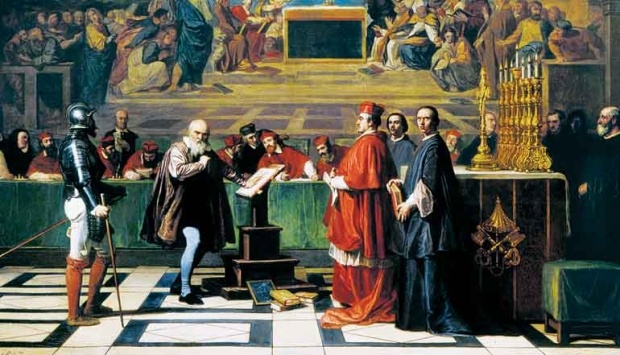
The Catholic Church considered some thinkers of the Scientific Revolution to be evil or bad because they
worked peacefully for the Church and furthered their ideas
challenged established scientific knowledge and questioned claims made in biblical passages and beliefs

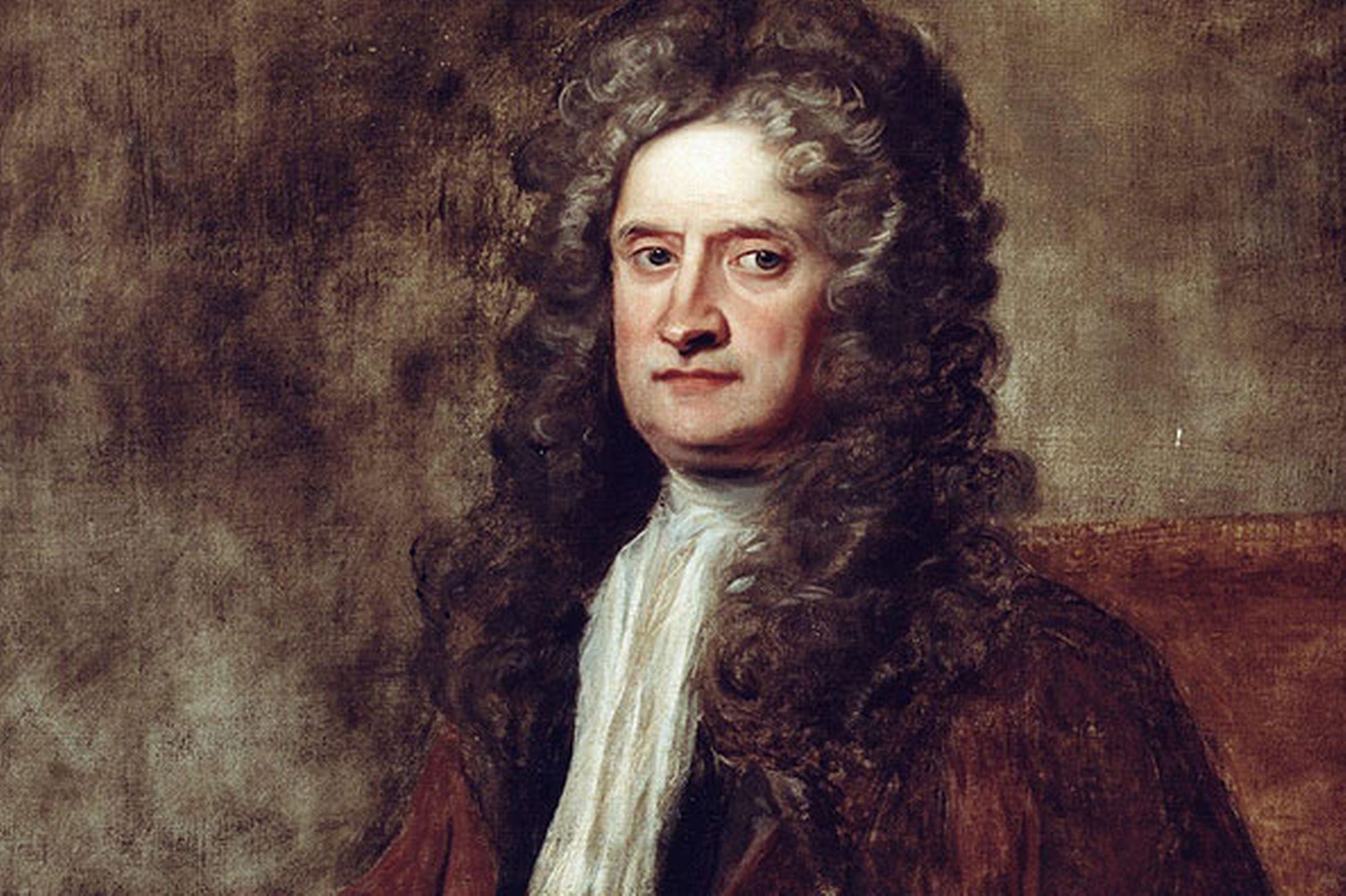

Who began disecting human bodies?
Galileo Galilei
Antoni Van Leewenhoek
Andreas Vesalius
Dr. House
Hobbes political system where one ruler should have all the power.
Democracy
Absolutism
Oligarchy
Monarchy

Mass production means:
Products being made with more superior in quality
goods being made in large amounts
laborers received higher wages
industries moved to rural areas
Rural means
country
city

What impact did the Agricultural Revolution have on the population of England?
The population increased a little.
The population declined steeply.
The population increased dramatically.
The population stayed the same.

Which statement about the early years of the Industrial Revolution is true?
Children were not allowed to work in the mines during the Industrial Revolution
Work conditions improved quickly
There were no labor laws that prevented children from working
Children were allowed to work but they were treated fairly.
This process made steel stronger and less expensive
Beringer Process
Bessemer Process
Vanderbilt Process
Carnegie Process
Land includes...
The "gifts of nature" or natural resources not created by human effort.
the tools, equipment, and factories used in production of goods and services
people with all their efforts and abilities
individuals who start a new business or bring a product to market.
Capital refers to...
The "gifts of nature" or natural resources not created by human effort.
people with all their efforts and abilities
the tools, equipment, and factories used in production of goods and services
individuals who start a new business or bring a product to market.
Labor refers to...
people with all their efforts and abilities
individuals who start a new business or bring a product to market.
the tools, equipment, and factories used in production of goods and services.
The "gifts of nature" or natural resources not created by human effort.
Entrepreneurs are...
people with all their efforts and abilities
individuals who start a new business or bring a product to market.
The "gifts of nature" or natural resources not created by human effort.
the tools, equipment, and factories used in production of goods and services
Bill Gates is an example of...
Land (seriously though, come on)
Labor
An Entrepreneurs
Capital

