
NEW
Font size
 Worksheets
Ancient Rome Quest Review
Total questions: 53
Worksheet time: 19mins
TRUE or FALSE: Rome was previously a polytheistic society, but then became monotheistic with the rise in Christianity.
Why did the Roman Empire condemn Jesus?
they were worried he would lead a revolt against Roman rule
What are some possible reasons the Roman Empire fell?
military problems, economic problems, political problems, and social problems

Set of laws inscribed on tablets that defined the laws of Rome that applied to all.
Consul
12 Tables
Republic
Tribune

What is a republic in the context of Ancient Rome?
A monarchy
A form of government where citizens elect representatives
A military alliance
Roman Roads
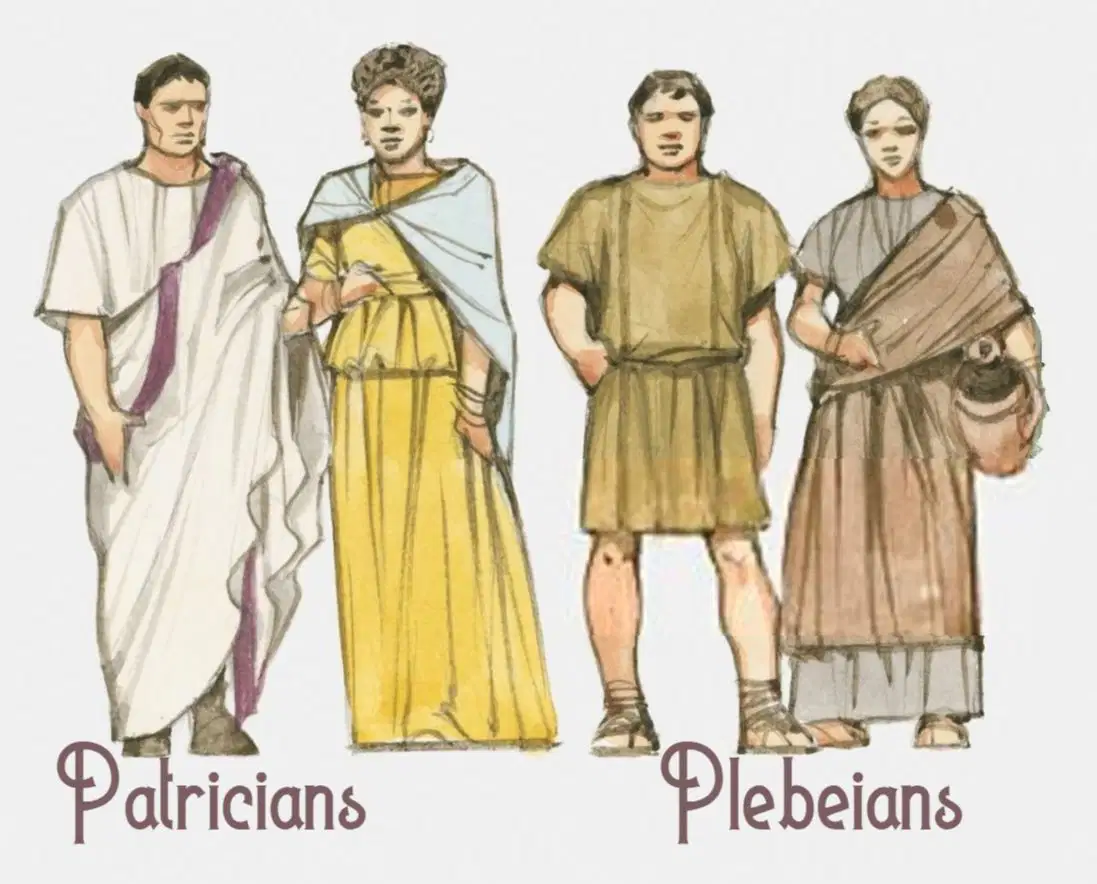
Who were the wealthy, aristocratic class in Ancient Rome?
Tribunes
Plebeians
Patricians
Forum

What is the central public square in a Roman city?
Aqueduct
Legion
Forum
Senate
What is the power to reject or forbid a decision or proposal?
Consul
Veto
Senate
Tribune
What was the central city of the Roman Republic and later the Roman Empire?
Athens
Rome
Alexandria
Roman Mythology
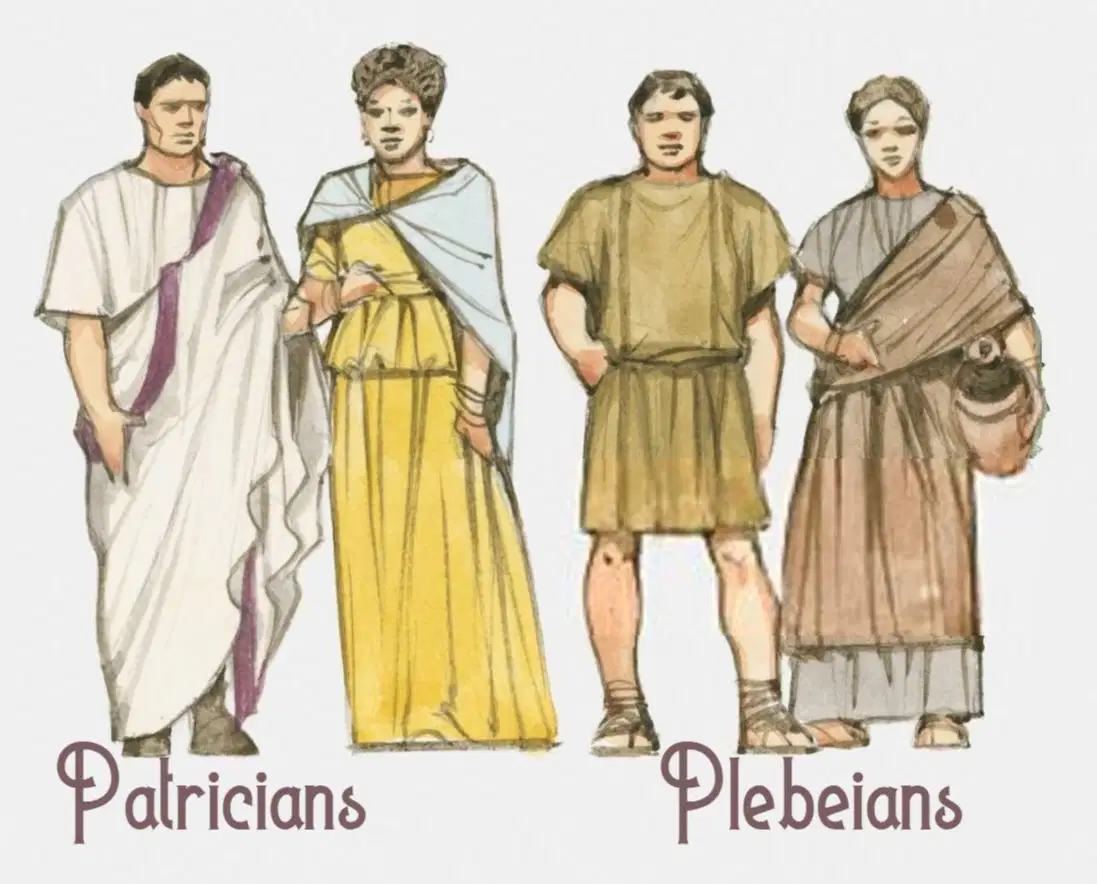
Who were the common, lower-class citizens in Ancient Rome?
Tribune
Patricians
Plebeians
Emperoro
What role did the Tribunes play in the Roman Republic?
They were military leaders
They represented the interests of the plebeians
They were judges in the Roman courts
They were responsible for tax collection
What was the Roman forum?
A marketplace and public square
A type of Roman ship
A Roman military camp
A school for Roman children
What was the primary purpose of Roman roads?
Trade
Military movement
Public processions
All of the above
What is the significance of the Roman Law "Twelve Tables"?
It was the first written constitution in Rome.
It outlined the rights of Roman citizens.
It was the foundation of Roman civil law.
It declared Rome a republic.
What was the Roman Senate?
A group of military leaders
The lower house of the Roman legislature
A council of wealthy and powerful Romans that advised the city's leaders
The Roman judicial system
What is the meaning of "Representative" as used in historical contexts?
A type of currency used in ancient Rome
A military strategy
A person chosen or appointed to act or speak for another or others
A legal document
Who are the "consuls" in a government system?
A) The ceremonial heads of state
B) The head of government, usually with a limited term in office
C) The lifetime rulers of a region
D) The chief financial officers
What does the term "Civic Duty" refer to?
The legal obligations of a citizen
The idea that citizens have a responsibility to help their country
A citizen's right to vote
The duties of a city mayor
How many people made up the Roman Senate?
200 patrician men
300 patrician men
400 patrician men
300 plebeian men
How long were the consuls term of office?
5 years
25 years
1 year
30 days

What mountain range provided protection to the North of Italy?
Rocky
Himalayas
Andes
Alps
TRUE OR FALSE: There was little economic difference between the Plebeians and the Patricians.
True
False.

How many consuls were there in the Roman Republic?
1
2
3
4
How long were the consuls term of office?
5 years
25 years
1 year
30 days
What were the jobs of consuls?
Build temples and head the army
Head the army and run the Forum
Head the army and run the government
In the Roman Senate Senators served for life....
True
False

Rome was one of the first civilizations to pave its roads.
True
False
Which factor contributed most to the development of Rome's early trade ties throughout the Mediterranean?
The legislative branch of a government does what?
Oversees enforcement of laws
Interprets laws
Makes laws
During the first three centuries of Christianity, what relationship did the early Christians have with officials of the Roman Empire?
They were the only legal citizens of the Roman Empire
They were usually promoted to official government positions
They were persecuted under several Roman Emperors
How long do the judges of the Supreme Court serve?
10 years
life
4 years
2 years
If the President doesn't approve a bill, he may ______ , or reject it.
change
endorse
accept
veto
How many judges make up the Supreme Court?
This group consists of 100 members, with two elected from each state.
House of Representatives
The Cabinet
Senate
The Supreme Court
This group has 435 members, and the number from each state is based on the state's population.
Senate
Supreme Court
House of Representatives
Cabinet
This branch of government is responsible for ensuring that the laws are fair.
Judicial Branch
Law Enforcement Branch
Executive Branch
Legislative Branch
This branch of government is responsible for enforcing the laws.
Legislative Branch
Judicial Branch
Administrative Branch
Executive Branch
This branch of government is responsible for making laws.
Executive Branch
Judicial Branch
Administrative Branch
Legislative Branch
Who is the leader of the Executive Branch?
Vice President
Speaker of the House
President
Attorney General
why
did christianity begin
Whats the holy book called (in christianity )
How did Christianity spread?
by people reading the bible
through teaching and writing
through email
through facebook
What religion did Christianity
come from?
Islam
Christianity
Judaism
Buddhism
Which statement is true of Christianity?
Christianity promised a life of security and
comfort.
Most Roman emperors encouraged Christianity.
Christianity discouraged sharing property and
providing charity.
Its main appeal was the promise of salvation
through the sacrifice of Jesus.

