
 Worksheets
the labour market
Total questions: 29
Worksheet time: 17mins
The demand for labour is a 'derived demand', meaning that ...
the demand for labour is dependent on the supply of the inputs in the production process
the demand for labour is completely independent of the demand for the product
the demand for labour is dependent upon the demand for whatever the labour produces
the demand for labour is greater than the demand for the product that the labour makes
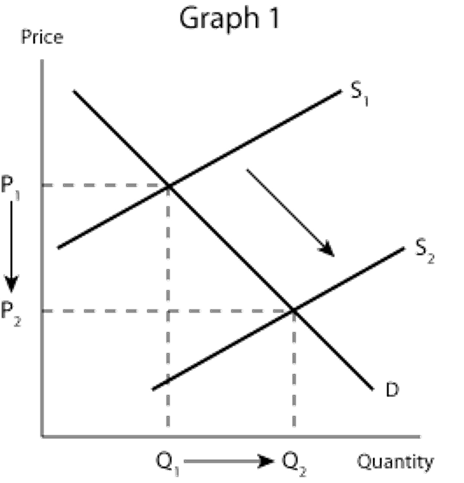
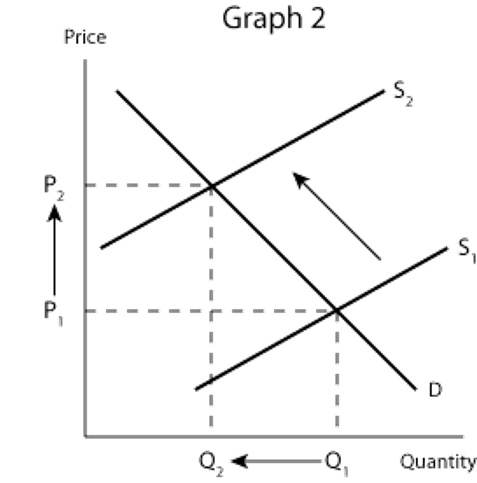
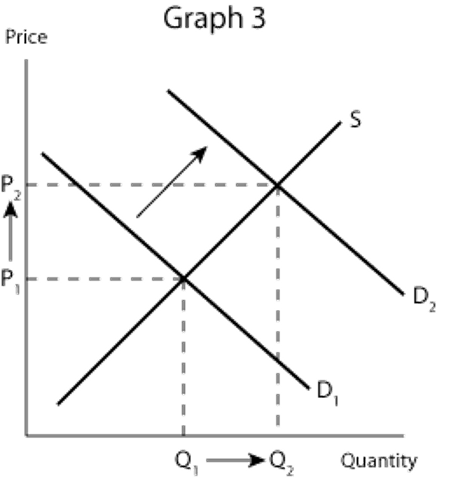
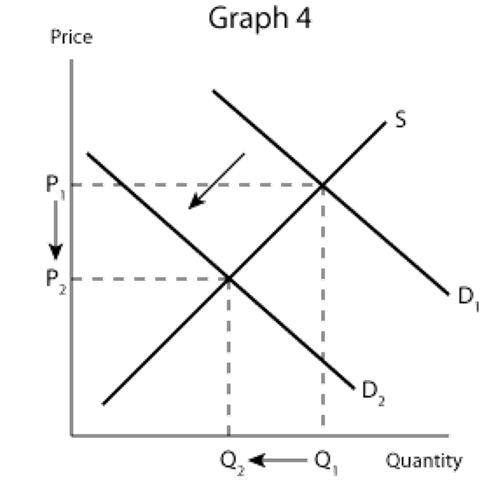
If the demand for McDonald's hamburgers rose, which of the following diagrams would display the likely impact on the demand for McDonald's workers
Several factors affect the demand for labour, including all of the following EXCEPT:
The age distribution of the labour market
Availability of substitutes
Productivity of labour
Other employment costs
In relatively low-skilled jobs, we are likely to see a labour supply curve such as which of the following:


All of the following are likely to increase the supply of labour EXCEPT:
an increase in migration
an increase in the retirement age
an increase in the school leaving age
an increase in the female working population
Which of the following best describes an oligopistic market?
Many sellers with identical barriers to entry
Many sellers, each with a clearly differentiated product, and no barriers to entry
A few competing sellers with similar products and high barriers to entry
A few competing sellers of identical products and no barriers to entry
No competition among sellers and high barriers to entry
Monopolistically competitive product markets are inefficient because
price equals the marginal value to the buyer of the last item produced
price is greater than marginal cost
excessive competition prevents other firms from entering the market
homogeneous goods are usually overpriced
short-run economic profit-making opportunities exist
One difference between oligopolies and monopolistically competitive markets is that
there is no deadweight loss in monopolistically competitive markets, but there is in oligopolies
the products sold in monopolistically competitive markets are identical
oligopolies have fewer barriers to entry
firms maximize profits in monopolistically competitive markets but not in oligopolies
there are fewer firms in oligopolistic markets than in monopolistically competitive ones
Which of the following best describes an oligopoly?
many monopolistically competitive firms
a few firms sharing monopoly power
a former monopoly that has been broken up by the government
a government-granted franchise or monopoly
Collusion most frequently occurs in industries that are
oligopolistic
monopolistically competitive
monopolistic
perfectly competitive
An oligopoly is a market structure in which many firms sell products that are similar but not identical
TRUE
FALSE
The market for crude oil is an example of an oligopolistic market
TRUE
FALSE
The unique feature of an oligopoly market is that the actions of one seller have a significant impact on the profits of all of the other sellers in the market
TRUE
FALSE
When oligopolists collude and form a cartel, the outcome in the market is similar to that generated by a perfectly competitive market
TRUE
FALSE
If oligopolists engagein collusion and successfully form a cartel, the market outcome is
the same as if it were served by a monopoly
The same as if it were served by competitive firms
The same as if it were served by competitive firms
Known as Nash equilibrium
As the number of sellers in an oligopoly grows larger, an oligopolistic market looks more like
a monopoly
a competitive market
a collusion solution
monopolistic market
As the number of sellers in an oligopoly increases
Collusion is more likely to occur because of larger number of firms can place pressure on any firm that defects
Output in the market tends to fall because each firm must cut back on production
The price in the market moves further from marginal cost
The price in the market moves closer to marginal cost
Collusion is difficult for an oligopoly to maintain
Because antitrust laws make collusion illegal
Because, in the case of oligopoly, self-interest is in conflict with cooperation
If additional firms enter of the oligopoly
For all the above reasons

Which of the following is not a barrier to entry in a monopolized market?
The presence of many buyers and sellers in the market
The government gives a single firm the exclusive right to produce some good.
The costs of production make a single producer more efficient than a large number of producers.
A key resource is owned by a single firm.
What is not an advantage of a monopoly?
achieving economies of scale
high level of research and development
Producing a greater quantity at profit-maximizing level of output
higher prices and lower output

One of the requirements for a monopoly is that
products are high priced
there are several close substitutes for the product
there is a unique product with no close substitutes
the product cannot be produced by small firms
A monopoly is a market with
many suppliers
no barriers to entry
many substitutes
one supplier
A barrier to entry is
an economic term for economies of scale
illegal in most markets
anything that prevents new firms from entering the market
a factor that increases competition
Monopolists are price takers.
True
False
Which of the following is not a barrier to entry in a monopolized market?
The presence of many buyers and sellers in the market
The government gives a single firm the exclusive right to produce some good.
The costs of production make a single producer more efficient than a large number of producers.
A key resource is owned by a single firm.

