
 Worksheets
Nature of matter
Total questions: 50
Worksheet time: 50mins
which of the following is a mixture?
air
ice
hydrochloric acid
mercury
Tick the COMPOUNDS.
SOAP
METHANE
CALCIUM CARBONATE
SILICON
TIN
WHICH ONE IS A MIXTURE?
BLOOD
CARBON DIOXIDE
SILICON
SODIUM
TIN
WHAT IS THE SIZE OF THE PARTICLES OF A SUSPENSION?/
MORE THAN 100nm
less than 1nm
less than 1nm
Which Of The Following Is A PHYSICAL CHANGE
RUSTING OF ALMIRAH
MELTING OF BUTTER IN A PAN
MAKING A FRUIT SALAD WITH RAW FRUITS
BURNING OF PAPER AND WOOD
DISSOLVING COMMON SALT IN WATER
WHICH 2 WILL SHOW THE TYNDALL EFFECT
STARCH SOLUTION
COPPER SULPHATE SOLUTION
MILK
SALT SOLUTION
The amount of solute present per unit volume or per unit mass of the solution/solvent is known as
(a) Composition of solute
(b) Concentration of a solvent
(c) Concentration of a solute
(d) Concentration of a solution
The quantity of matter present in an object is called
weight
Gram
mass
density
What is the solute in the soda water?
Water
Carbon dioxide
Sugar
Oxygen
how will you seperate oxygen from a mixture of liquid air?
centrifugation
seperating funnel
fractional distillation
distillation
a mixture of dye in a volatile liquid can be seperated by?
evaporatoion
sedimentation
chromatography
filtration
Tyndall effect is observed in forests because of
tress
high oxygen level
mist and dust particles in the air
less sunlight
. This is a type of heterogeneous mixture in which the particles are dispersed and do not settle out.
alloy
solution
suspension
colloid
Particles size of solution
Less than 1 nm
More than 1 nm
Between 1 and 1000 nm
More than 1000 nm

Air is regarded as mixture because?
It's pressure may vary.
It's temperature may vary.
Volume changes under different compositions.
It's compositions may vary.

In which of the following constituents are present in the ratio?
Mixture.
Compound.
Solution.
Colloid.

Which of the following will result in the formation of a mixture?
Crushing of marble tiles into smaller particles.
Breaking ice cubes into smaller pieces.
Adding sodium metal to water.
Adding milk in water.

A sample contains two substances and has uniform properties. The sample is ________?
A compound.
A heterogeneous mixture.
An element.
A homogeneous mixture.

A mixture will appear translucent in the case of?
Copper sulphate + water.
Alum + water.
Sugar + water.
Starch + water.

Which of the following is not a mixture?
Pure water.
Sea water.
Air.
Brass.

Which of the following is a heterogeneous mixture?
Air.
Brass.
Iodised table salt.
Steel.

Which of the following is an example of heterogeneous substance?
Bottled water.
Table salt.
Pieces of copper.
Candle.

Name the flask
round bottom flask
flat bottom flask
conical flask

NAME THE APPARATUS
DISTILLATOR
CONDENSOR
FRACTIONATING COLUM

NAME THE SEPARATION TECHNIQUE
FRACTIONAL DISTILLATION
DISTILLATION
SEPARATING FUNNEL
EVAPORATION

NAME THE SEPARATION TECHNIQUE DISTILLATION
EVAPORATION
DISTILLATION
CONDENSATION

NAME THE SEPARATION TECHNIQUE AND NAME THE COMPONENTS IT IS USED TO SEPARATE
Which of the following are also considered to be states of matter?
Plasma
Platelets
BEC (Bose Einstein Condensate)
BHC
One of the following does not undergo sublimation. This one is
Iodine
Camphor
Sodium chloride
Ammonium chloride
When heat is constantly supplied by a gas burner with small flame to melt the ice, then the temperature of the ice during melting
increases very slowly
does not increase at all
first remains constant then increases
increases to form liquid water
When heat is constantly supplied by a burner to boiling water, then the temperature of the water during vaporization
rises very slowly
rises rapidly until the steam is produced
first rises and then becomes constant
does not rise at all
During summer days, water kept in an earthen pot becomes cool because of the phenomenon of
diffusion
transpiration
osmosis
evaporation
Which of the following energy is absorbed during change of state of substance?
Specific heat
Latent heat
Heat capacity
Heat of solution
Which of the following factors are responsible for the change in state of solid carbon dioxide when kept exposed to air? (More than one option is correct)
increase in pressure
increase in temperature
decrease in pressure
decrease in temperature
The evaporation of water increases under the following conditions
increase in temperature, decrease in surface area
increase in surface area, decrease in temperature
increase in surface area, increase in temperature
increase in surface area, increase in temperature, addition of common salt
Which of the following is not an element?
Graphite
Germanium
Silica
Silicon
Which of the following are compounds? (More than one option is true)
CO
NO
No
Co
Which is/ are the example(s) of Solid Sol?
Jelly
Coloured gemstone
Milk
Milky glass
What are the properties of metal?
Malleable
Sonorous
Ductile
Lustre
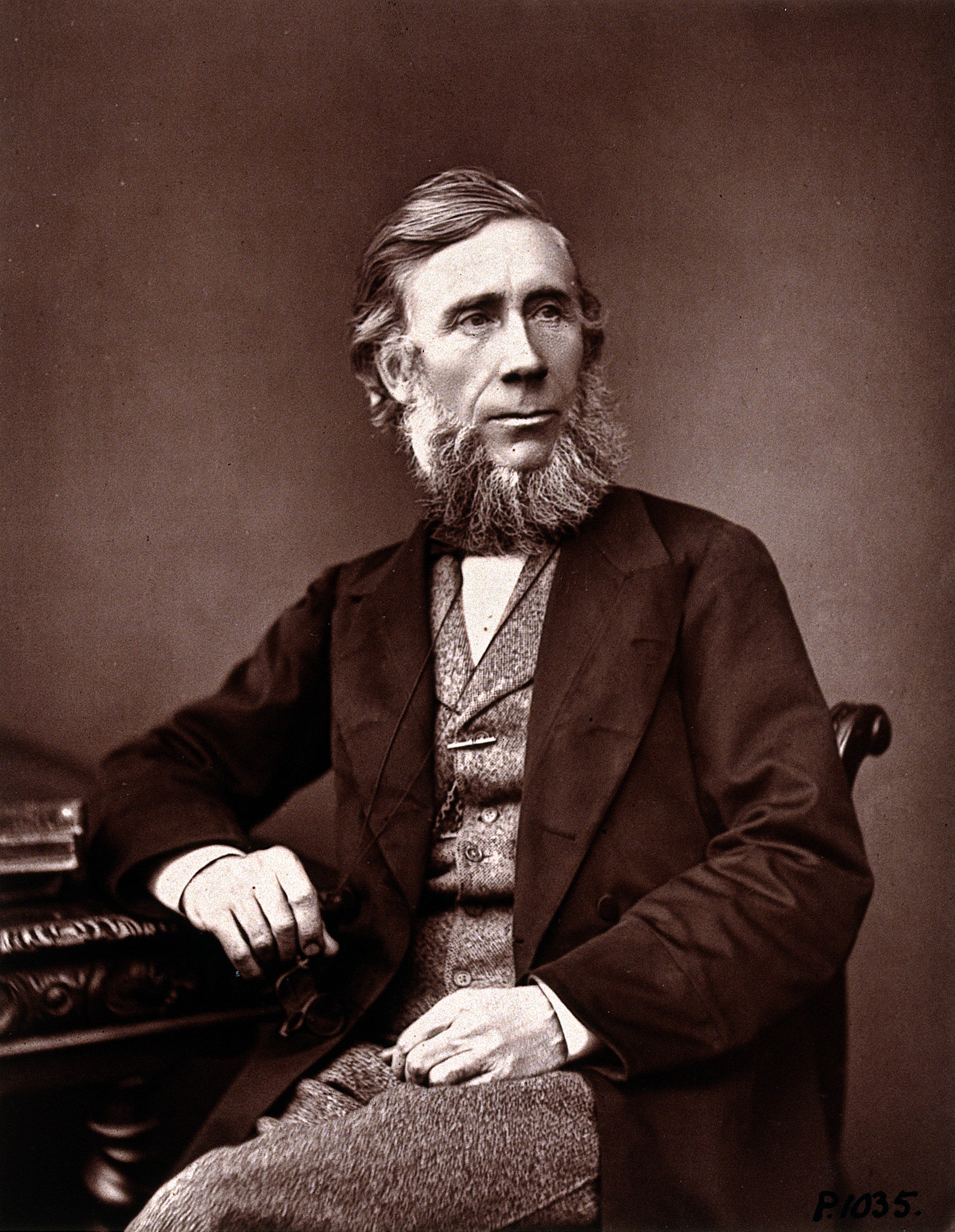
Who is this person?
Robert Boyle
Antoine Lavoisier
John Tyndall
None of the above
What is Pure substance?
Matter is anything that ...........
has mass
has rough surface
occupies space
occupies time
Heat is an example of non-matter because it ..........
doesn't have taste.
doesn't have mass.
doesn't occupy time.
doesn't occupy space.
Matter exists in three different states. They are ..........
solids, liquids and water
thin solids, thick solids and light gases
solids, milk and gases
solids, liquids and gases
Which of the following are examples of solids?
water, sugar and book
sugar, pencil and book
sugar, pencil and helium
pencil, book and toothpaste
Which of the following are examples of liquids?
milk, wood and plastic
milk, water and peanut
milk, water and paint
meat, water and paint
Helium, oxygen and wind are examples of ..........
gases
liquids
solids
none of the above
What are another words for 'definite'?
fixed
stay the same
doesn't change
can flow

Which of the following best describes the particles of solids?
The particles are very close to one another.
The particles cannot slide past each other.
The particles can move freely.
The particles can change shape.

Which of the following best describes the particles of liquids?
The particles are very close to one another.
The particles cannot slide past each other.
The particles can slide past each other.
The particles are quite close to one another.

