
NEW
Font size
S
M
L
XL
 Worksheets
Global Warming
Total questions: 45
Worksheet time: 23mins
Name
Class
Date
1.
Do we need greenhouse gases on Earth?
a)
Yes - they keep the Earth warm
b)
Yes - they keep all the gases on our planet
c)
No - they only cause terrible climate change
d)
No - they only block some of the Sun's rays
2.
Which of the following are greenhouse gases?
a)
Carbon dioxide
b)
Methane
c)
Nitrous Oxide
d)
All answers are correct
3.
Why is the increase of Greenhouse gasses a big issue?
a)
It causes climate change and increase in the global temerature
b)
It can lead to a major increase in Greenhouses
c)
It leads to more factories
d)
It causes a major decrease in people
4.
Which one of the choices below is NOT a cause for global warming?
a)
Having too many cows
b)
Burning Fossil Fuels
c)
Planting new trees
5.
The gradual increase in the temperature of the atmosphere is known as ________________.
a)
Greenhouse Effect
b)
Global Warming
c)
Carbon Dioxide Gases
d)
Methane
6.
Which of the following is the most troubling greenhouse gas being produced by humans?
a)
Water Vapor
b)
Carbon Dioxide
c)
Methane
d)
Nitrous Oxide
7.
How can global warming cause sea levels to rise? Choose the best answer.
a)
by causing it to rain more often
b)
by melting glaciers and ice caps
c)
by increasing the number of undersea volcanic eruptions
d)
by creating bigger and more powerful hurricanes
8.
Why does cutting down trees increase global warming?
a)
trees soak up carbon dioxide
b)
trees provide shade which counteracts global warming
c)
trees absorbs the sun's energy without radiating back into the atmosphere
d)
trees drain greenhouse gases like methane from soil
9.
What happens to the temperature if more greenhouse gases are released into the atmosphere?
a)
Temperature goes up
b)
Temperature goes down
10.
Without the Greenhouse Effect the Earth would be too
a)
warm
b)
cold
c)
dead
d)
funny
11.

What is this difference between global warming and the greenhouse effect?
a)
Global warming refers to a change in the Earth's climate that is causing it to heat up; the greenhouse effect is a natural process that happens constantly, due to sunlight and the atmosphere.
b)
Global warming and the greenhouse effect are the same thing.
c)
The greenhouse effect comes within global warming.
d)
Global warming comes within the greenhouse effect
12.

Global warming and the greenhouse effect are exactly the same.
a)
True
b)
False
13.

Burning fossil fuels is one of the main causes for global warming.
a)
True
b)
False
14.

As global warming continues, the intensity of what type of storm that hits coastlines is predicted to increase?
a)
Tornadoes
b)
Hurricanes
c)
Tsunamis
d)
Earthquakes
15.
Which of the following is NOT an effect of Global Warming?
a)
Polar ice caps will melt.
b)
Coastal regions will be covered with rising sea levels.
c)
Some areas will experience serious droughts
d)
The Earth's rotation will slow down and eventually stop
16.
Things you can do to help decrease global warming include:
a)
Eat more ice cream.
b)
Keep your freezer door open.
c)
Keep your air conditioner on high.
d)
Turn off your lights when you’re not using them.
17.
Carmen is going to the market to purchase food for her family. She is very conscious of her choices and is working to reduce her carbon footprint. Which of the following would help her to be successful in her goal?
a)
Purchasing meats packaged at the local supermarket, but trucked in from out of state
b)
Purchasing fresh fruits and vegetables at the local supermarket that were shipped from out of state
c)
Purchasing fresh fruits and vegetables from the local farmer’s market
d)
None of these choices will reduce her carbon footprint
18.
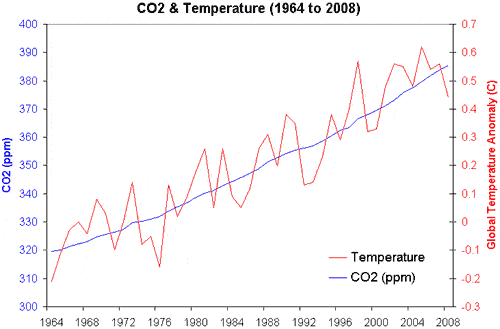
The graph below shows CO2 emissions and temperatures from 1909 to 1949. What conclusion is best supported by the graph?
a)
There is no relationship between carbon dioxide concentrations and temperatures
b)
As carbon dioxide concentrations increase, temperatures increase
c)
As carbon dioxide concentrations increase, temperatures decrease
d)
As carbon dioxide concentrations decrease, temperatures increase
19.
What is the mixture of gases surrounding the Earth called?
a)
carbon
b)
concentration
c)
atmosphere
d)
emissions
20.
Which of the following statements about the greenhouse effect is false?
a)
The amount of heat trapped in the troposphere depends on concentrations of greenhouse gases.
b)
The greenhouse effect is a new theory that explains the warming of the atmosphere.
c)
Heat trapped by greenhouse gases keeps the planet warm enough for life.
d)
The predominant greenhouse gases are water vapor, carbon dioxide, methane, and nitrous oxide.
The predominant greenhouse gases are water vapor, carbon dioxide, methane, and nitrous oxide.
The predominant greenhouse gases are water vapor, carbon dioxide, methane, and nitrous oxide.
21.
Over an extended period of time, the United States has been responsible for the majority of global CO2 emissions, at 25% of the total for all countries. In 2008, the largest emitter was
a)
United States
b)
Japan
c)
China
d)
Russia
22.
Increased levels of carbon dioxide in the atmosphere have been implicated in which of the following?
a)
Increased global warming
b)
Increased seawater acidity
c)
decreased seawater temperatures
d)
both increased global warming and increased seawater acidity
23.
Which of the following would make a greater contribution to rising sea levels?
a)
melting sea ice
b)
melting land-based ice
c)
increased levels of precipitation in some areas
d)
increased levels of atmospheric water vapor
24.
A warmer world is least likely to result in
a)
decreased food production
b)
reductions in biodiversity
c)
a rise in sea level
d)
more moderate weather
25.
In a warmer world, we would expect more
a)
droughts
b)
hurricanes
c)
desert expansions
d)
all of these
26.
A loss of 15% of ____________________ would cause a one meter rise in sea level that would threaten millions of people and cause trillions of dollar of damage to coastal areas.
a)
the Antarctic ice sheet
b)
inland glaciers in Alaska
c)
Greenland's ice sheet
d)
Iceland's ice sheet
27.
The threat of global warming can be addressed by
a)
using energy more efficiently
b)
reducing deforestation
c)
slowing population growth
d)
shifting to renewable resources
28.
The Kyoto treaty to reduce global warming
a)
does not require developing countries to make any cuts in their greenhouse gas emissions
b)
went into effect in 2005
c)
was not supported by the U.S. after 2001
d)
all of these answers
29.
Which of the following statements is false?
a)
Ozone in the lower stratosphere shields the earth from about 95% of the sun’s harmful ultraviolet rays.
b)
Fluorine atoms are most responsible for the breakdown of ozone to molecular oxygen.
c)
CFCs are odorless and stable.
d)
CFCs are nonflammable, nontoxic, and noncorrosive.
30.
Chlorofluorocarbons are
a)
nontoxic
b)
corrosive
c)
expensive
d)
flammable
31.
Which of the following are effects of ozone depletion?
a)
increased photochemical smog
b)
reduced crop yields
c)
immune system suppression
d)
all of these
32.
With immediate and sustained action to stop production of all ozone-depleting chemicals:
a)
The ozone-hole problem will be solved immediately.
b)
It will take about 30 years for the earth’s ozone layer to recover to pre-1950 levels.
c)
It will take about 60 years for the earth’s ozone layer to recover to pre-1950 levels.
d)
It will take about 60 years for the earth’s ozone layer to recover to 1980 levels.
33.
What factors determine how air circulates in the lower atmosphere?
a)
Rotation of the earth on its axis and the properties of air, water, and land.
b)
The properties of air, water, and land.
c)
Rotation of the earth on its axis.
d)
Uneven heating of the earth’s surface by the sun.
34.
The term "greenhouse effect" describes
a)
occupational diseases of florists
b)
the trapping of heat energy in the troposphere by certain gaseous molecules
c)
the trapping of heat energy in the stratosphere by nitrogen
d)
efforts by the White House to support environmental legislation
35.
All of the following are greenhouse gases except
a)
water vapor
b)
nitrogen
c)
carbon dioxide
d)
nitrous oxide
36.
Which statement is the most accurate?
a)
Climate is determined by average weather conditions.
b)
Climatologists examine data from one to a few years to estimate weather.
c)
Weather is determined by average climate conditions.
d)
None of these answers are accurate.
37.
The main human activity that releases greenhouse gases is
a)
using bottled water
b)
burning fossil fuels
c)
texting on cellphones
d)
eating meat
38.
Worldwide, temperatures have been increasing for more than 100 years. Is this evidence of global warming?
a)
yes
b)
no
39.
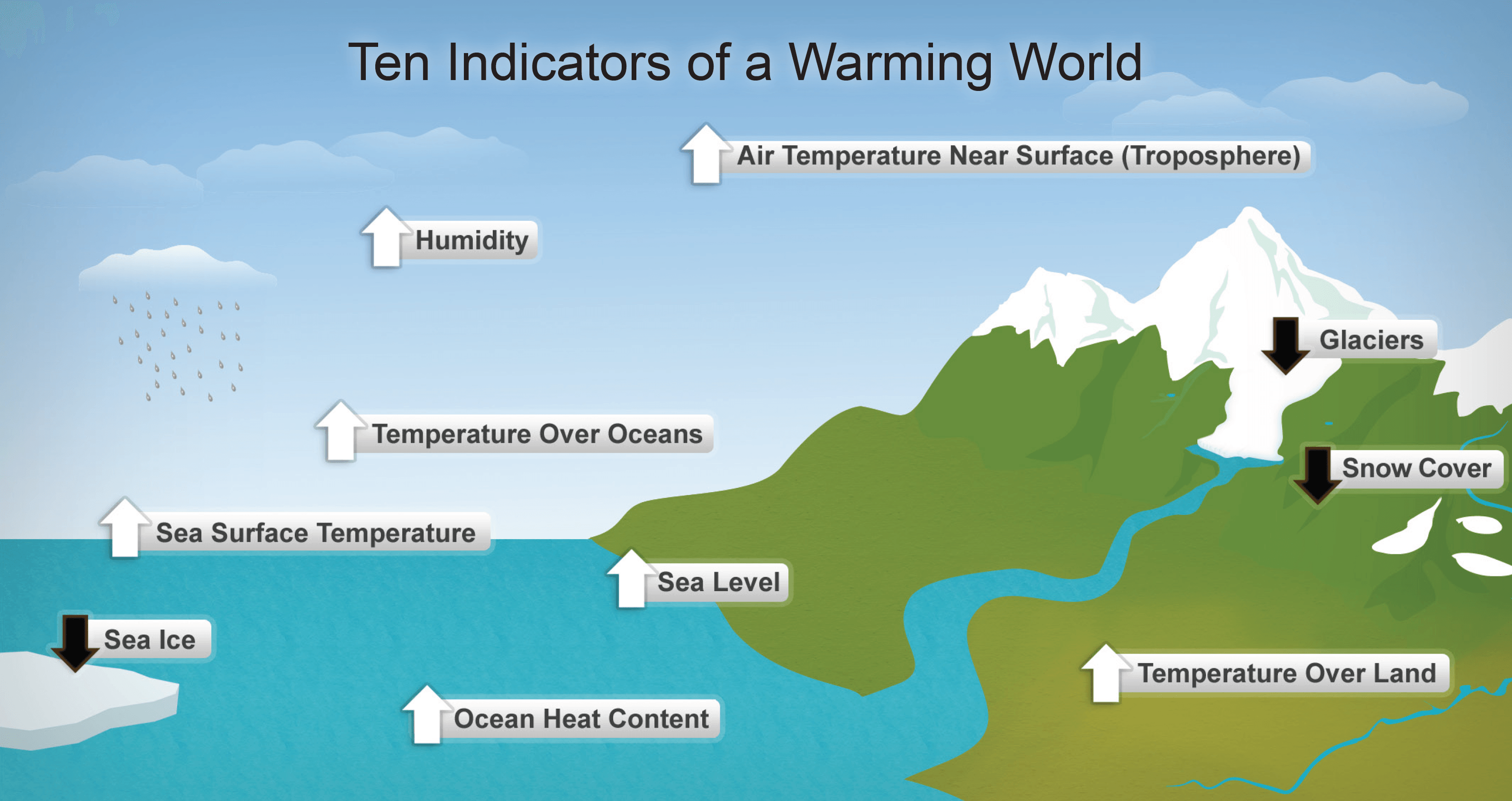
The greenhouse gas having the greatest role in human-caused global warming is
a)
methane
b)
carbon dioxide
c)
CFCs (chlorofluorocarbons)
d)
ozone
40.
Human activity is adding additional greenhouse gases to the amount that are in the atmosphere naturally
a)
True
b)
False
41.
Carbon is used by plants during which process?
a)
Respiration
b)
Transpiration
c)
Photosynthesis
d)
Transportation
42.

What is the greenhouse effect?
a)
warming of the earth due to gases in our atmosphere.
b)
cooling of the earth due to gases in our atmosphere
43.
Is wood a renewable resource?
a)
No, once you cut down a tree it is gone forever.
b)
Yes, we can manage forests and replace trees that are used.
44.

What is recycling?
a)
is to use materials again and again to make something new.
b)
is produce new brand products and sell them.
c)
is living in the developed world but taking care of the nature.
d)
is classify garbage in different colors.
45.

What is this movie?
a)
Mulan
b)
Moana
c)
Pinocchico
d)
Frozen
Reset

