
 Worksheets
Body Systems Revision
Total questions: 25
Worksheet time: 12mins
Which option that best describes the pathway of food through the body?
mouth, oesophagus, bloodstream, stomach
mouth, oesophagus, stomach, intestines
mouth, trachea, stomach, intestines
mouth, oesophagus, liver, intestines
The chamber of the heart with the thickest walls is:
left atrium
left ventricle
right atrium
right ventricle
The chamber of the heart that receives blood from the lungs is:
left atrium
left ventricle
right atrium
right ventricle
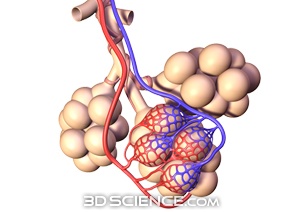
At which point in the lungs does gaseous exchange occur?
Alveoli to capillaries
Bronchioles to alveoli
Capillaries to arteries
Bronchioles to capillaries

Select the structure that arrow 1 is pointing to:
oesophagus
stomach
small intestines
large intestine
liver
Select the structure that arrow 3 is pointing to:
oesophagus
stomach
small intestines
large intestine
liver
Select the structure that arrow 6 is pointing to:
oesophagus
stomach
small intestines
large intestine
liver
Which of the following is the correct order for carbon dioxide passing out of the lungs?
Trachea, bronchus, bronchiole, alveoli
Alveoli, bronchiole, bronchus, trachea
Alveoli, bronchus, bronchiole, trachea
Trachea, bronchiole, bronchus, alveoli
The function of the synapse is:
To pass messages from one neuron to the next
To pass a chemical signal from dendrite to axon terminal
To determine which signals to transmit to other neurons
To absorb electrical impulses from the nerve

The part of the neuron labelled A is:
axon
axon terminals
schwann cells
soma
dendrites
Which organ is part of both the circulatory and the respiratory system?
Heart
Lungs
Stomach
Pancreas

Number 1 points to which part of the brain
cerebellum
cerebrum
brain stem
hypothalamus



Bones are part of the skeletal system and the job of the bones is to -
fight diseases
support the body
send messages
break down nutrients
The digestive and circulatory systems work together to provide the body with -
skin
bones
nutrients
waste
What is the main function of the muscular system?
It helps the heart communicate with the brain.
It converts food in simpler substances for the body to absorb as nutrients and gives the body energy.
It supplies blood with oxygen in the lungs, and removes carbon dioxide from the body into the atmosphere.
It allows the body to move when attached to the bone. It also allows movement in internal organs, such as heart and intestines.

