NEW
Font size
 Worksheets
Different types of Energy
Total questions: 35
Worksheet time: 1hrs 10mins
This is energy that is stored for later use.
kinetic energy
potential energy
Betty knows that different types of energy are produced by many objects around the house, such as a light bulb.
Which types of energy does the bulb give off?
heat only
light and movement
light and heat
Ryan rubs two sticks together quickly. When he stops rubbing the sticks, he notices that they are warm to touch where he rubbed them. Which type of energy has been produced?
sound energy
heat energy
light energy

Identify the type of energy
Electrical energy
Thermal energy
Sound energy

Identify the type of energy
Thermal energy
Sound energy
Electrical energy

What is energy?
movement energy
energy you can see
the ability to do work or cause change
heat energy

What is electrical energy?
energy in the form of electricity
energy you can see
heat energy
movement energy
Which is an example of thermal energy?


Niagara Falls is a set of very large waterfalls located on the border between New York and Ontario, Canada. Over 200,000 cubic feet of fast-moving water falls approximately 180 feet every second. Water at the top of the Falls possesses
only gravitational potential energy.
kinetic energy and gravitational potential energy.
only kinetic energy.
neither gravitational potential energy nor kinetic energy.
Which of the following statements is true?
Potential energy is the only type of energy that cannot be transformed into another type of energy.
Potential energy is the energy that objects have due to their motion.
Potential energy is the energy that electrons and other charged particles have due to their motion.
Potential energy is the stored energy that an object has due to its position, shape, or chemical make up.

Phil puts a cotton ball in his slingshot and pulls it back two different times.
What is different about pull #1 and pull #2?
The slingshot has more elastic potential energy in pull #1.
The slingshot has more elastic potential energy in pull #2.
The slingshot has more kinetic energy in pull #2.
The slingshot has more gravitational potential energy in pull #1.

Betty hits a baseball.
At which point along the baseball's path does it have the most gravitational potential energy?
point 1
point 5
point 2
point 3

Which energy our body transforms into two different energies?
Chemical energy.
Sound energy.
Electric energy.
Light energy.

Moving things have...?
Chemical energy.
Thermal energy.
Kinetic energy.
Electric energy.

Light bulbs use...
Light energy.
Electric energy.
Both answers are wrong.

Energy stored in a flexed or compressed object is...
gravitational potential energy
mechanical energy
kinetic energy
elastic potential energy

What type of energy causes ice cream to melt?
Thermal
Light
Sound
Electrical

What energy is energy something has because it is moving
Kinetic Energy
Heat Energy
Thermal Energy
Potential Energy


You throw a ball into the air as shown in the diagram. At what point does the ball have the most gravitational potential energy?
W
X
Y
Z
What two factors affect an object's kinetic energy?
area and volume
mass and weight
weight and height
mass and speed
Kinetic energy is measured in
Newtons (N)
Joules (J)
Kilograms (kg)
miles per hour (mph)
Mass and speed both affect the amount of kinetic energy an object has, but ____________ has a greater effect.
mass
speed
volume
weight
The faster an object moves, the ________ kinetic energy it has.
more
less

At which point is potential energy greatest?
W
X
Y
Z
In order to INCREASE the potential energy of an object, you need to:
put the object lower to the ground
raise the object higher
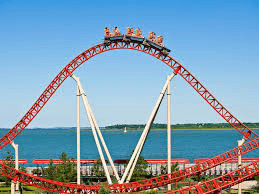
When a roller coaster is at the top of a hill it has
high potential energy
high kinetic energy
low potential energy
equal amounts of kinetic and potential energy
Conservation of energy means that
energy can be created but not destroyed
energy can be destroyed but not created
energy can both be created and destroyed
energy can neither be created nor destroyed
Which is the best example that something has kinetic energy?
a car parked on a steep hill
a tennis ball rolling across the court
a picture hanging on the wall
a piece of coal before it's burned

The picture is an example of _____ .

The picture is demonstrating an example of ______ .