Worksheets
Transportation in plants and animals
Total questions: 29
Worksheet time: 16mins
colour of blood is due to pigment
chlorophyll
haemoglobin
xanthin
proteins
All organisms need food, ________, and water for survival.
Oxygen
Shelter
Carbon Dioxide
All of these

Blood carries _________ from the lungs to the cells of the body.
Argon
Neon
Carbon Dioxide
None of these

Heart is located in the _____________
Brain Cavity
Chest
Chest Cavity
Beside's Kidney
White patches formed in places like underarms during humid weather are due to:
Salt present in sweat.
Sugar present in sweat.
Acid present in sweat.

The process of removal of unwanted, harmful, and toxic substances in our body is called excretion system.
True
False
Is this statement true/false?-
" Dialysis is the process of filtering blood through an artificial process when a person's kidney stops working due to an injury or malfunctioning"
False
True
Can't say
Which part of the blood has haemoglobin?
WBCs
RBCs
Blood platelets
Plasma
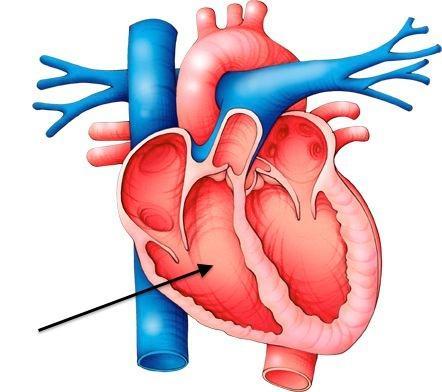
_____ is the muscular wall that devides the heart length wise-
Septum
Ventricle
Atrium
None
In plants, food prepared by the leaves is transported to all the other parts of the plants by-
Stomata
Phloem
Root hair
Xylem
________ help in the clotting of blood.
WBCs
RBCs
Platelets
Blood Plasma
Excretion, in unicellular plants and animals, takes place through _________.
Diffusion
Osmosis
Urine gets collected in the _______.
Ureter
Kidney
Urethra
Urinary bladder
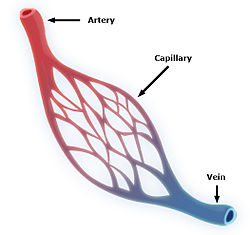
________ is the blood vessels which carry oxygen rich blood, from the heart, to all parts of the body.
Arteries
Veins
Systole
Xylem
Which of the following is not a function of blood?
Blood cells, especially the WBCs, help fight infections.
Blood helps to distribute the digested food to all parts of the body.
Circulation of blood helps to maintain the body temperature
Blood removes the carbon dioxide, produced during respiration.
The blood vessels, having thick elastic walls are called-
Arteries
Veins
Capillaries
Atria
Which of the following does not have valves
Heart
Arteries
capillaries
veins
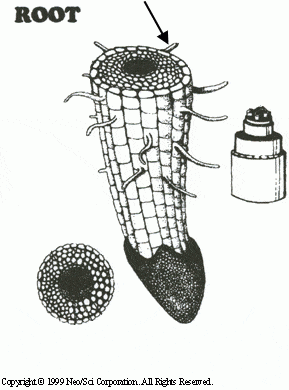
Xylem tubes transport substances..
From the roots to the stem and leaves
From the leaves to the rest of the plant
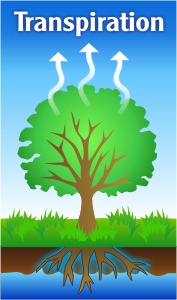
Transpiration process in plants occur
at night
during daytime
Which of the following indicates the pathway of water through a plant?
root hair cell --> xylem --> stomata
stomata --> root hair cell --> xylem
xylem --> stomata --> root hair cell