
NEW
Font size
S
M
L
XL
 Worksheets
Body Systems Functions Review
Total questions: 50
Worksheet time: 18mins
Name
Class
Date
1.
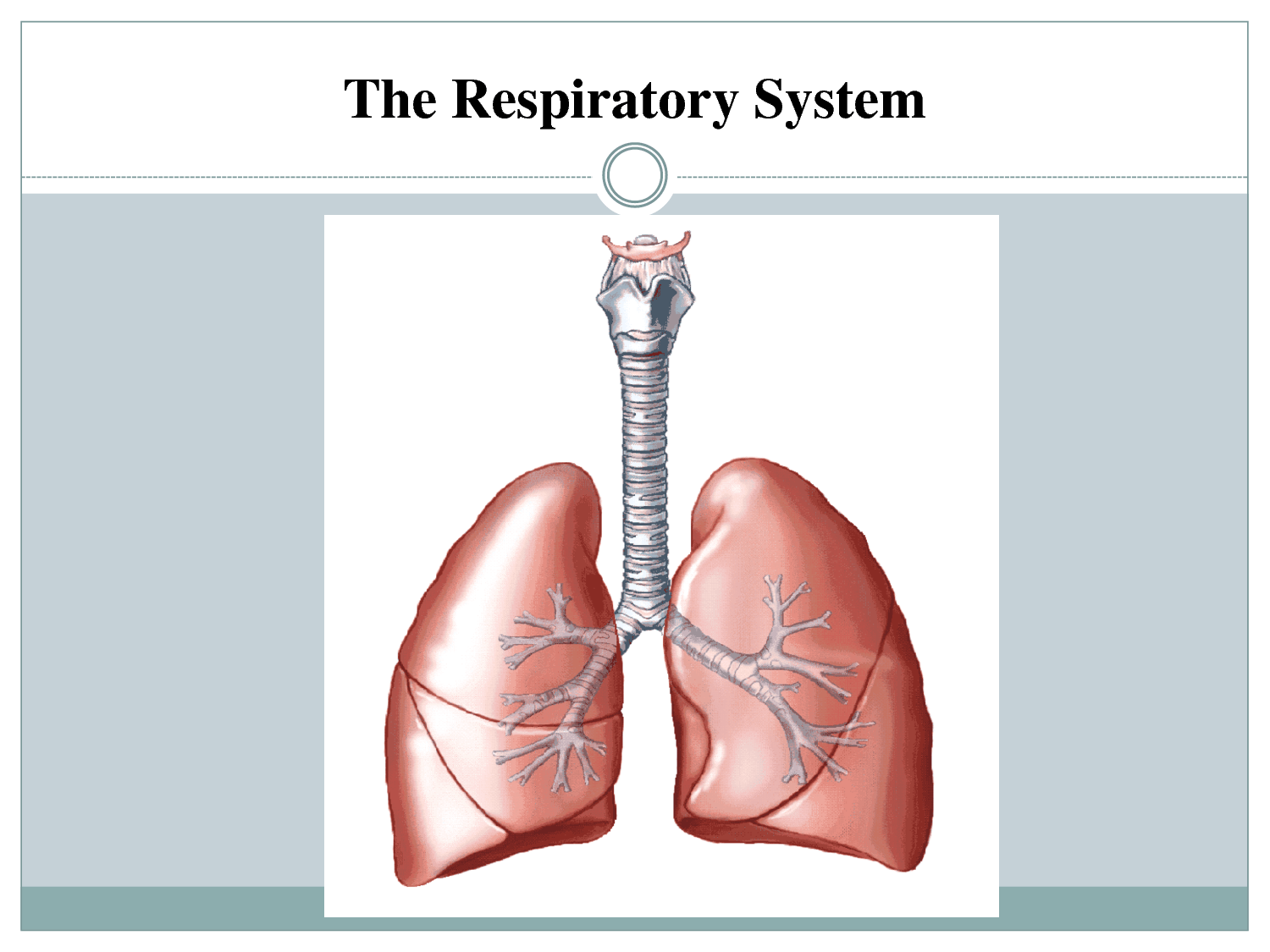
What is the main function of the respiratory system?
a)
to provide oxygen and remove carbon dioxide from the body
b)
to bring oxygen to the body
c)
to break down food and absorb nutrients
d)
to remove oxygen from the body and deliver carbon dioxide
2.
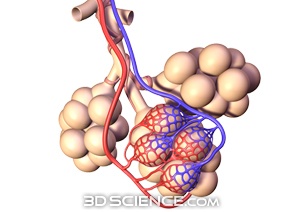
When you breathe, your lungs take in ___ and remove ___.
a)
air/oxygen
b)
oxygen/carbon dioxide
c)
carbon dioxide/waste
d)
waste/air
3.
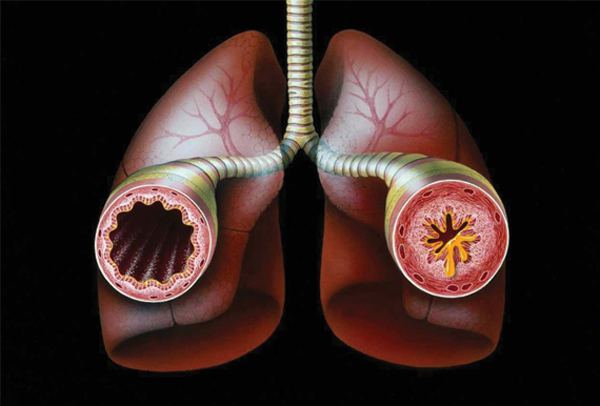
A disorder of the lungs called ____ causes the bronchi to become restricted (get smaller) so air can't get to the lungs.
a)
asthma
b)
cold
c)
influenza
d)
bronchitis
4.
The passageway that is shared by both the digestive and respiratory system is the....
a)
larynx
b)
pharynx
c)
trachea
d)
nose
5.
Flap of skin that covers the opening to the windpipe during swallowing
a)
Stomach
b)
Trachea
c)
Pancreas
d)
Epiglottis
6.
This chamber of the heart RECEIVES blood returning from the body
a)
Right Atrium
b)
Right Ventricle
c)
Left Atrium
d)
Left Ventricle
7.
The _________ PUMPS blood to the lungs.
a)
Right Atrium
b)
Right Ventricle
c)
Left Atrium
d)
Left Ventricle
8.
This chamber of the heart PUMPS blood to the body.
a)
Right Atrium
b)
Right Ventricle
c)
Left Atrium
d)
Left Ventricle
9.
The _______ RECEIVES blood returning from the lungs.
a)
Right Atrium
b)
Right Ventricle
c)
Left Atrium
d)
Left Ventricle
10.
"Cardio" means
a)
heart
b)
vessels
c)
blood
d)
excercise
11.
"Vascular" means
a)
arteries
b)
heart
c)
vessels
d)
tubes
12.
How many chambers does your heart have?
a)
2
b)
3
c)
4
d)
5
13.
The sound of your heartbeat is caused by
a)
closing of the valves
b)
blood pumping through the aorta
c)
blood returning to the venae cava
d)
blood traveling to the lungs
14.
Which vessel carries blood away from the heart?
a)
vein
b)
capillaries
c)
artery
d)
lymph capillary
15.
The flow of the blood from the heart to the lungs and back to the heart is called
a)
pulmonary circulation
b)
systemic circulation
16.
The flow of blood to all parts of the body is called
a)
pulmonary circulation
b)
systemic circulation
17.
High blood pressure
a)
hypotension
b)
hypertension
c)
artherosclerosis
d)
heart failure
18.
When heart muscle cells die and heart muscle is damaged this causes a
a)
heart failure
b)
heart attack
c)
aneurysm
d)
stroke
19.
When the heart can not pump enough blood to meet the needs of the body
a)
heart failure
b)
heart attack
c)
aneuyrsm
d)
stroke
20.
The double walled sac that surrounds and protects the heart
a)
pericardium
b)
sinoatrial node
c)
heart cover
d)
pleura
21.
The fluid part of blood made up of water, minerals, nutrients, sugars, and proteins
a)
plasma
b)
red blood cells
c)
white blood cells
d)
platelets
22.
Which part of the blood helps to fight pathogens and is made in the bone marrow?
a)
red blood cells
b)
white blood cells
c)
plasma
d)
platelets
23.
Helps create a blood clot to prevent blood loss
a)
WBCs
b)
RBCs
c)
plasma
d)
platelets
24.
What is normal blood pressure for an adult?
a)
100/60
b)
70 beats per minute
c)
120/80
d)
130/90
25.
What type antigens does type A blood have?
a)
A only
b)
B
c)
A and B
d)
A and O
26.
What type antigens does type O blood have?
a)
A
b)
B
c)
all
d)
none
27.
What type of blood can someone with type AB receive?
a)
A, B, AB, and O
b)
AB only
c)
A and B
d)
just O
28.
Someone with type B blood can donate to
a)
B only
b)
B and AB
c)
B and O
d)
A, B, and AB
29.
What type of tissue makes up the heart?
a)
cardiac
b)
smooth
c)
skeletal
d)
nervous
30.
What type of tissue makes up the blood vessels?
a)
cardiac
b)
skeletal
c)
smooth
d)
nervous
31.
The ____ side of the heart pumps oxygen-rich blood to the body.
a)
right
b)
left
32.
The ____ side of the heart pumps oxygen-poor blood to the lungs.
a)
right
b)
left
33.
Where RBCs, WBCs, and platelets are produced
a)
plasma
b)
thymus
c)
bone marrow
d)
spleen
34.
The largest lymphatic organ
a)
thymus
b)
tonsils
c)
spleen
d)
bone marrow
35.
The thymus produces
a)
B cells
b)
RBCs
c)
platelets
d)
T cells
36.
Which statement is true?
a)
The red pulp in the spleen removes defective RBCs from the blood.
b)
The white pulp in the spleen fights infection.
c)
Lymph nodes are concentrated around the armpits, neck, and groin.
d)
These are all true statements.
37.
What is the function of the digestive system?
a)
to break down and absorb nutrients
b)
to support and protect our bodies
c)
to produce vitamin D
d)
to help us move
38.
Where would you expect to find hydrochloric acid?
a)
stomach
b)
small intestine
c)
liver
d)
large intestine
39.
Small muscular pouch responsible for storing bile
a)
pancreas
b)
mechanical
c)
amylase
d)
gallbladder
40.
Digestive enzyme that is found in the stomach and begins the digestion of proteins
a)
Esophagus
b)
Pepsin
c)
Peristalsis
d)
Epiglottis
41.
The small and large intestines both....
a)
store waste
b)
absorb water
c)
mix and mash food in order to break it down
d)
absorb nutrients
42.
Chyme is . . .
a)
material made in the liver that helps break down food.
b)
along coiled organ where most of digestion takes place.
c)
the tube in which pulverized food travels to the stomach
d)
the thick, soupy material that once was food.
43.
mixes and churns food while it is being broken down by acids and enzymes
a)
Small Intestine
b)
Stomach
c)
Pancreas
d)
Esophagus
44.
majority of nutrients are absorbed here
a)
Small Intestine
b)
Stomach
c)
Pancreas
d)
Esophagus
45.
produces bile which helps break down fats in the small intestine
a)
Mouth
b)
Liver
c)
Salivary Glands
d)
Large Intestine
46.
In what parts of the digestive system do both physical and chemical changes take place?
a)
mouth, stomach
b)
mouth, stomach, esophagus
c)
stomach, pancreas
d)
stomach, liver
47.
__________________________ changes do not change a substance into a new substance.
a)
chemical
b)
physical
48.
Muscular tube that connects the mouth to the stomach
a)
Epiglottis
b)
Peristalsis
c)
Stomach
d)
Esophagus
49.
Series of involuntary contractions along the walls of the digestive tract
a)
Peristalsis
b)
Epiglottis
c)
Pepsin
d)
Stomach
50.
Where does the stomach empty into?
a)
Small intestine
b)
Large intestine
c)
Pancreas
d)
Liver
Reset

