
 Worksheets
SPE 102 quiz
Total questions: 40
Worksheet time: 40mins
What is the endocrine system?
A system of vessels that circulates blood around the body.
A group of bones and tissue that provides support and structure for the body.
A group of glands that work together with the nervous system to coordinate all body functions
A group of organs that is responsible for eliminating wastes.
What is the main function of the endocrine system?
It creates chemicals, or hormones, that are sent around the body to maintain homeostasis.
It creates electrical messages that are sent around the body to maintain homeostasis.
It maintains the correct level of oxygen in the body to maintain homeostasis.
It releases waste from the body to maintain homeostasis.
The "master gland" is known as the __________________.
thyroid gland.
adrenal gland.
pancreas.
pituitary gland.
The adrenal glands release adrenaline to help the body regulate _________________.
diseases
body temperature.
stress.
hormones.
Which of the following are chemicals that travel in the blood and cause changes in different parts of the body?
Hormones
Glands
Parathyroid
Adrenal Gland
The response to stress is called
Stay or Stray Response
Fight or Stay Response
Flee or Stray Response
Fight or Flight Response
Produces the hormone insulin and glucagon, which controls the level of glucose in the blood.
Thyroid Gland
Pancreas
Thymus Gland
Pituitary Gland
These release testosterone, which controls changes in a male's body and regulates sperm production.
Ovaries
Target Cells
Parathyroids
Testes


Letter J is pointing to
Ovaries
Pineal Gland
Adrenal
Testes

The gland labeled 4 in the diagram is?
the thymus gland
the thyroid gland
the parathyroid glands
the adrenal glands


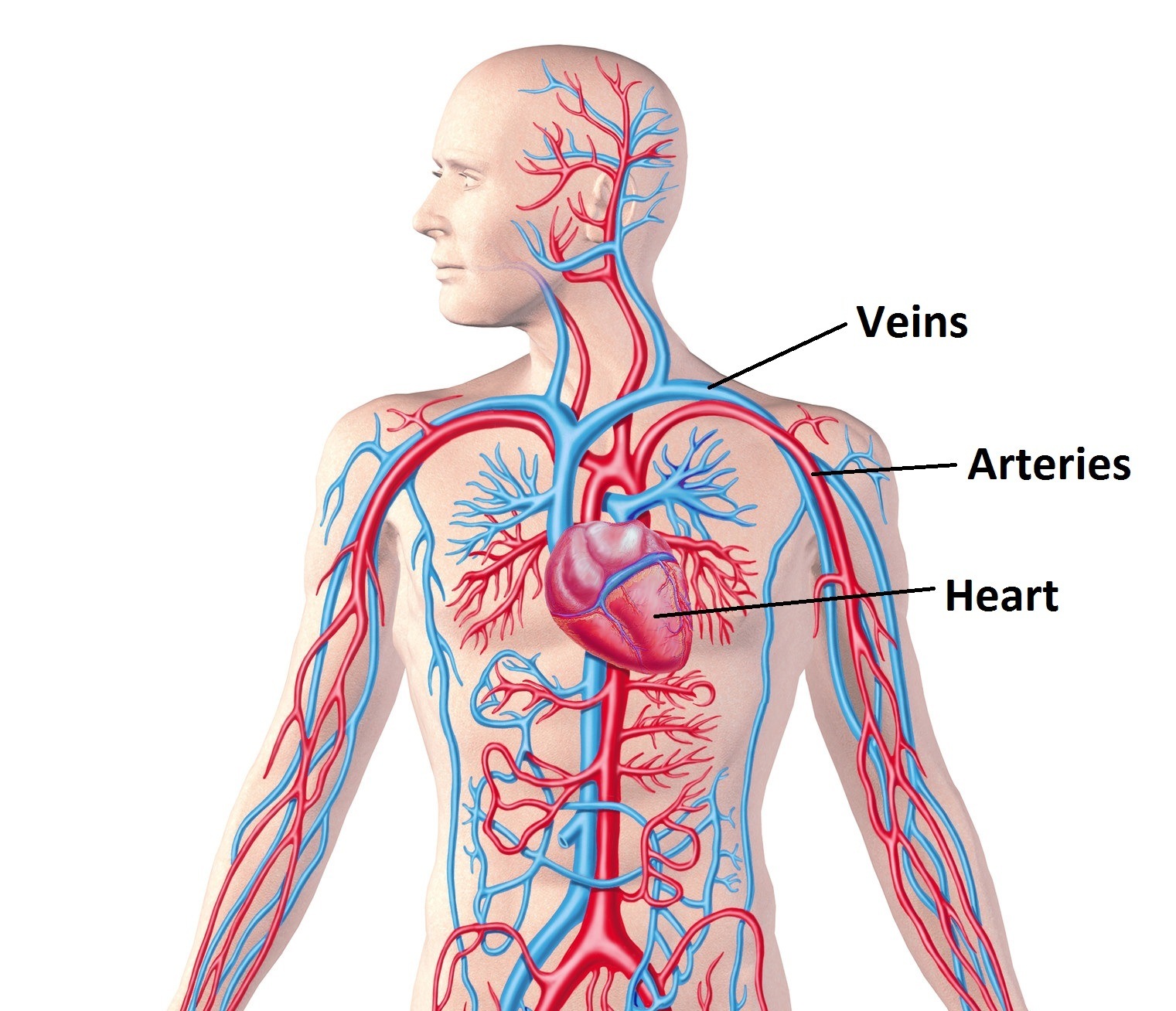
Which system allows blood to circulate throughout the body to transport oxygen and nutrients to all the cells and tissues?
Nervous
Respiratory
Circulatory
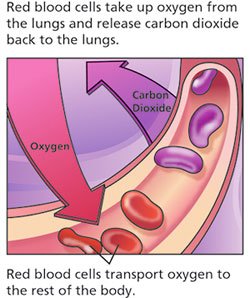
These cells, in the blood, carry oxygen and give the blood its color.
white blood cells
plasma
platelets
red blood cells
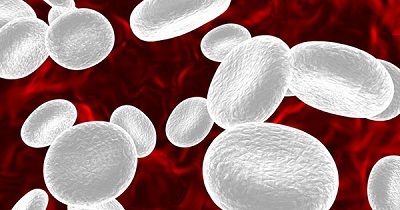
The cells in the blood that help fight germs like bacteria and viruses
red blood cells
platelets
white blood cells
The job of the heart is to . . .
pump blood around the body.
send food to the small intestines.
break down food.
give energy to the body.
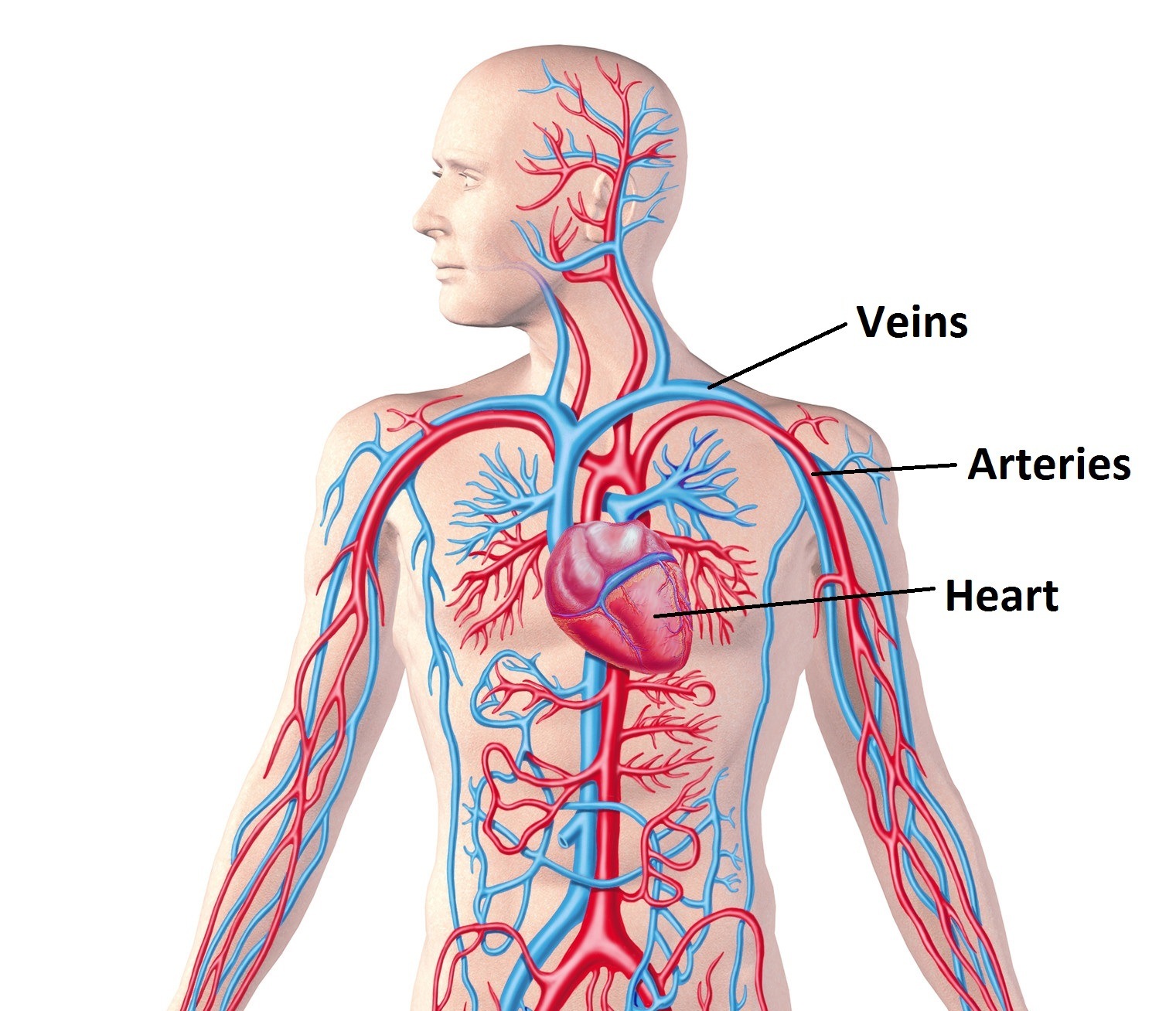
The circulatory system works with the ___________ system to provide our body with oxygen.
respiratory
digestive
muscular
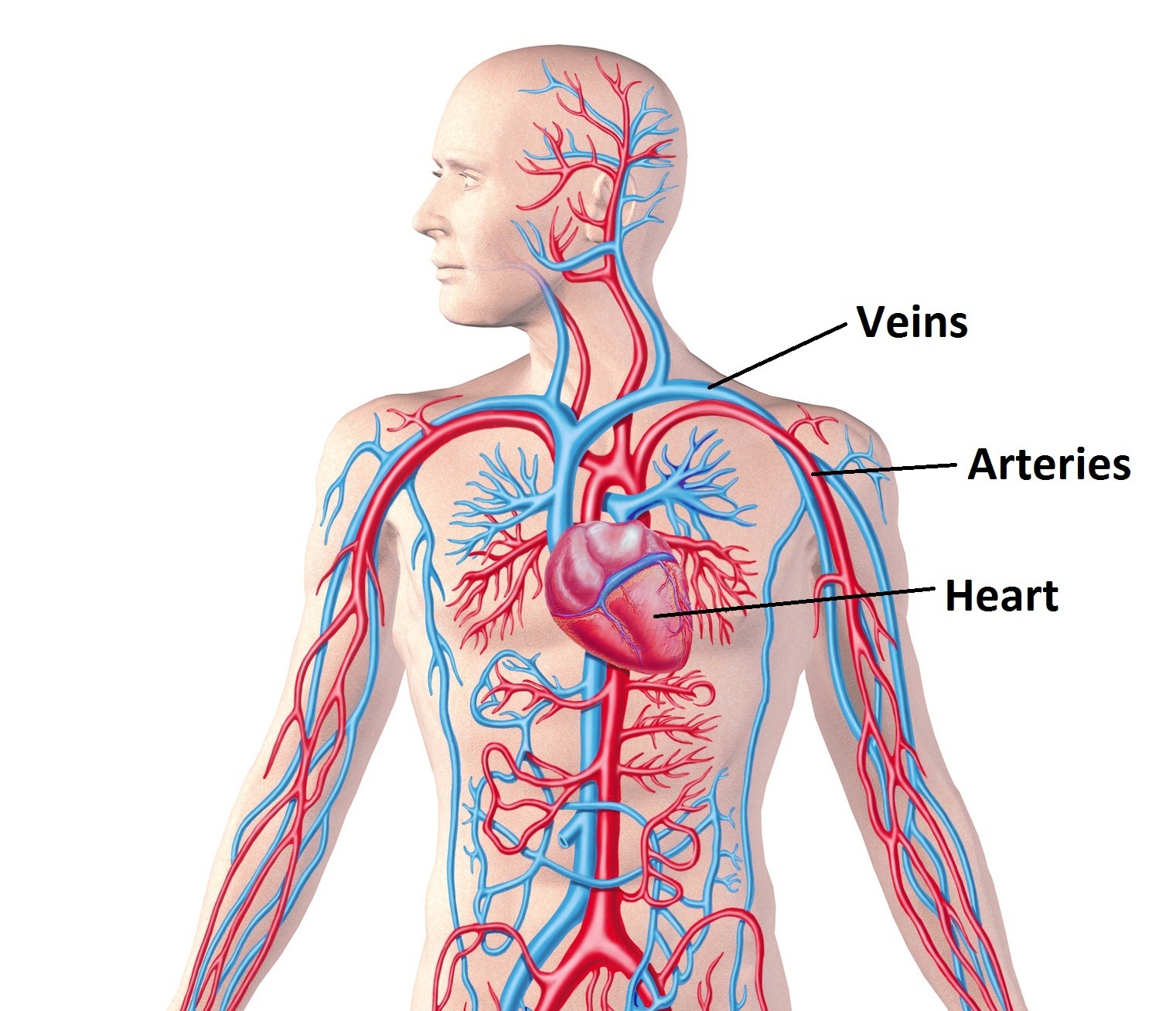
What is the circulatory system made up of?
Lungs, blood, blood vessels
Liver, kidneys, and stomach
Heart, Blood Vessels, and Blood
Blood carries ____________ to the heart.
vitamins
germs
oxygen
Which is a good way to keep your heart healthy?
Eating healthy foods
Playing video games
Eating greasy foods
Which describes all the parts of the circulatory system?
heart, lungs, stomach, muscles
heart, blood, arteries, and veins
bones, skin, hair


What part of the integumentary system is #2?
epidermis
hypodermis
dermis
subcutaneous tissue
Which type of cell is found in the hypodermis?
adipose tissue
keratinocytes
Langerhans (dendritic) cells
melanocytes
Merkel cells


Which is the largest organ in our body?
Sweat glands
Hair
Nails
Skin

Which helps cool your body down?
Sweat glands
Hair
Nails
Skin



