wayground logo

Free Printable Worksheets

NEW

Font size

S
M
L
XL
Worksheets

Human Body Systems

Total questions: 40

Worksheet time: 30mins

Name
Class
Date
1.

Which system functions primarily to coordinate the body’s response to changes in its internal and external environment?

a)

digestive system

b)

excretory system

c)

nervous system

d)

skeletal system

2.

Which of the following is a component of the circulatory system?

a)

heart

b)

blood vessels

c)

blood

d)

all answers

3.
Organs that work together form 
a)
connective tissues. 
b)
tissue systems. 
c)
organ systems. 
d)
All Answers
4.
Muscle tissue functions to move 
a)
blood. 
b)
food in the digestive tract. 
c)
bones. 
d)
All Answers
5.
The three types of muscles are 
a)
skeletal, smooth, and cardiac. 
b)
skeletal, voluntary, and cardiac. 
c)
smooth, cardiac, and involuntary. 
d)
skeletal, cardiac, and ridged. 
6.
The system that involves the skin as a primary structure is called __________________. 
a)
integumentary system 
b)
digestive system 
c)
muscular system 
d)
endocrine system 
7.
The heart and the blood vessels are separate organs that form the 
a)
skeletal system. 
b)
cardiovascular system. 
c)
reproductive system. 
d)
digestive system. 
8.
From the smallest functional units to the largest, the body is organized as follows: 
a)
cell, system, organ, tissue, body. 
b)
organ, cell, tissue, system, body. 
c)
system, organ, tissue, cell, body. 
d)
cell, tissue, organ, system, body. 
9.
Which of the following systems is primarily involved with gas exchange? 
a)
respiratory system 
b)
excretory system 
c)
digestive system 
d)
skeletal system 
10.
The system that involves the thyroid, pancreas and hypothalamus is called the ___________. 
a)
nervous system 
b)
endocrine system  
c)
skeletal system 
d)
excretory system 
11.
Which system is primarily involved in the transport of gases, nutrients and hormones to the cells? 
a)
circulatory system 
b)
respiratory system 
c)
endocrine system 
d)
skeletal system 
12.
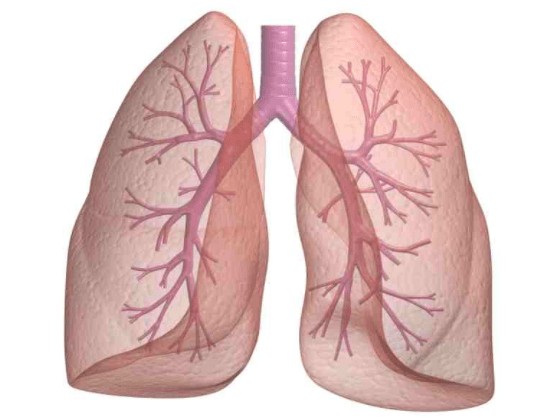
1. Which system are the lungs in?
a)
respiratory
b)
digestive
c)
excretory
d)
muscular
13.
 Which system is the stomach in?
a)
respiratory
b)
digestive
c)
nervous
d)
excretory
14.
Which organ is part of the respiratory system?
a)
tongue
b)
stomach
c)
esophagus
d)
lungs
15.
Where does digestion start?
a)
stomach
b)
mouth
c)
esophagus
16.
 What is the main job of the digestive system? 
a)
break down foods into nutrients that can be used by the body
b)
take in oxygen and exhale waste like carbon dioxide
c)
pump blood throughout the body
d)
makes the body hungry
17.
Which systems main function is to allow movement of the body?
a)
muscular
b)
digestive
c)
skeletal
d)
excretory
18.
Your large and small intestines are part of this body system.
a)
nervous
b)
digestive
c)
muscular
d)
skeletal
19.
Which system provides shape and support, enables you to move, protects your internal organs, and stores minerals?
a)
skeletal
b)
muscular
c)
digestive
d)
nervous
20.
The body system responsible for filtering the blood of waste products and excess water is the
a)
Endocrine System
b)
Excretory System
c)
Nervous System
d)
Digestive System
21.
Which statement best summarizes the relationship between the circulatory and respiratory systems?
a)
The circulatory system brings carbon dioxide into the body and the respiratory system removes the oxygen
b)
The circulatory system removes the oxygen and the respiratory system brings carbon dioxide into the body.
c)
The respiratory system brings oxygen into the body and the circulatory system transports the oxygen throughout the body.
d)
The respiratory system releases the oxygen and the circulatory system transports carbon dioxide throughout the body.
22.
The organ system that coordinates and regulates the responses of the other organ systems to maintain a constant internal balance is
a)
Circulatory System
b)
Nervous System
c)
Skeletal System
d)
Muscular System
23.
This is made up of the brain, spinal cord, and nerves. It is your body's control system
a)
Respiratory
b)
Immune
c)
Circulatory
d)
Nervous
24.
This system is made up of a group of glands that produce the body's long-distance messengers, or hormones.
a)
Immune
b)
Endocrine
c)
Muscular
d)
Skeletal
25.
A system that is made up of bones, ligaments and tendons. It shapes the body and protects organs
a)
Skeletal
b)
Nervous
c)
Muscular
d)
Immune
26.
The system that helps you get in oxygen and release carbon dioxide is....
a)
The circulatory system
b)
The breathing system
c)
The respiratory system
d)
The endocrine system
27.

What does the nervous system do?

a)

Help your body move

b)

Sends electrical message throughout the body and control other body systems

c)

Help with digestion

d)

Control muscle contraction

28.

The system that helps your body fight a virus such as the flu or a cold:

a)

Circulatory system

b)

Nervous system

c)

Respiratory system

d)

Immune system

29.

The kidneys, bladder, ureter and urethra are part of which system in the body?

a)

Digestive

b)

Nervous

c)

Excretory or Urinary

d)

Circulatory

30.
The systems that help to remove waste from our bodies are:
a)
Digestive only
b)
Excretory and digestive
c)
Excretory, digestive and respiratory
d)
Excretory and respiratory
31.

What organ do your red blood cells pick up oxygen from?

a)

Heart

b)

Lungs

c)

Brain

d)

Bladder

32.

I filter and clean blood and get rid of excess waste. What organ am I?

a)

Heart

b)

Kidneys

c)

Bladder

d)

Esophagus

33.

What is the organ that leads from your mouth to your stomach?

a)

Small Intestines

b)

Spine

c)

Esophagus

d)

Tongue

34.

What organs do you have all around your body that help you use your reflexes?

a)

Brain

b)

Nerves

c)

Skin

d)

Arteries

35.
Which system takes oxygen into the body and eliminates carbon dioxide?
a)
immune
b)
nervous
c)
respiratory
d)
circulatory
36.
Which system includes the nose, trachea and the lungs?
a)
respiratory
b)
circulatory
c)
immune
d)
digestive
37.
Which system carries needed materials to the body cells and carries wastes away from the body cells?
a)
Circulatory
b)
Digestive
c)
Nervous
d)
Excretory
38.
Which system includes the lymph, lymph nodes, white blood cells, T and B cells?
a)
Excretory
b)
Digestive
c)
Immune
d)
Nervous
39.
Which two body systems work together to break down food and get rid of wastes?
a)
digestive and excretory
b)
digestive and circulatory
c)
excretory and respiratory
d)
nervous and digestive
40.

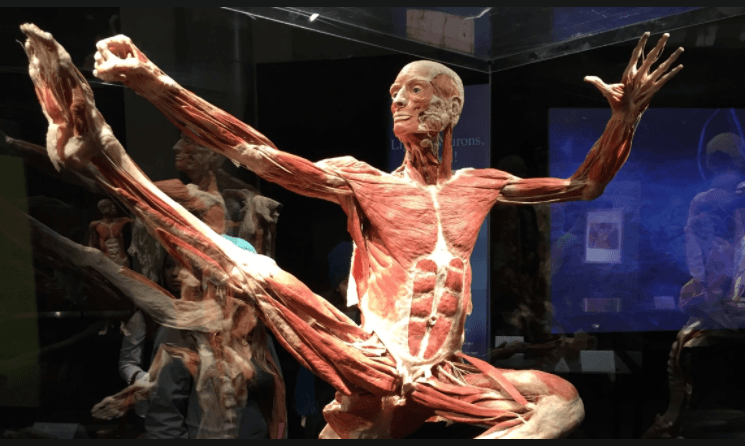
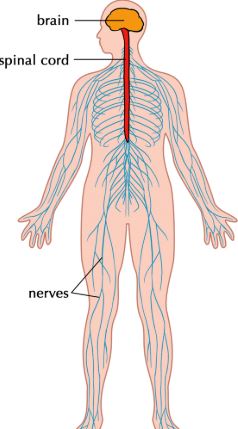
What system is pictured?

a)

Skeletal

b)

Circulatory

c)

Nervous

d)

Muscular