
 Worksheets
Science Revision - Chemestry and Physics
Total questions: 75
Worksheet time: 48mins
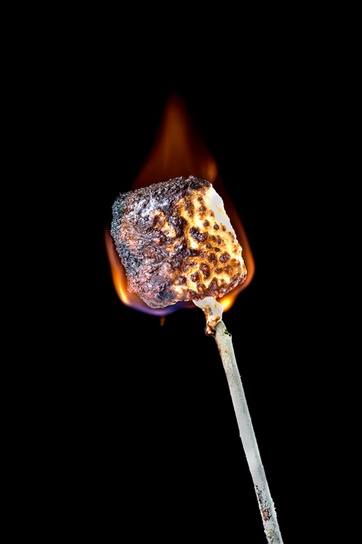


Hydrogen + Oxygen --> water
Identify the reactant(s).
Hydrogen + Oxygen --> water
Identify the product(s).
Did a chemical reaction occur?

What does a represent?
Proton
Neutron
Electron
What does b represent?
Proton
Neutron
Electron
What does c represent?
Proton
Neutron
Electron

What is the atomic mass of this element?
20
60
40
41

What is the symbol of this element?
Calcium
P
Ca
C
A molecule is
a singular particle of a particular element
another name for an element
2 or more atoms that are combined
A pure substance that is a compound is made out of
particles of more than one type of atom
particles of the same type of atom
a mixture of two or more substances that can be physically separated

What is the number of protons that the element in this image contain?
14
7
15
18

What is the atomic number of this element?
20
60
40
41
what is an atom
smallest part of the universe
smallest part of a substance
smallest part of anything
smallest part of water

How many atoms of sodium (Na) are in one molecule of baking soda?
1
2
3
4

Ozone and Oxygen molecules are the same substance because they both are made only of oxygen atoms.
true
false

How many atoms make up one molecule of laughing gas?
1
2
3
4
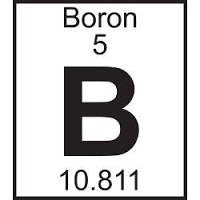
Using the information provided, determine how many electrons the a Boron atom contains.
2.5
5
6
10.81
When something goes from gas to liquid, it is called...
Evaporation
Condensation
Deposition
Freezing
Something that goes from liquid to gas is...
Evaporation
Melting
Freezing
Sublimation
Which of the following sentences are true about solids?
Solids are rigid, have a fixed shape but not a fixed volume
Solids are not rigid, have a fixed shape and no fixed volume
Solids are rigid, have a fixed shape and a fixed volume
Particles are always moving.
True
False

What is a hypothesis?
the thing changed on purpose in the experiment
an explanation about what you observed
using your 5 senses to gather data
an educated guess about the outcome of an experiment
What two words should be in your hypothesis?
I think
If ...then...
It will
No idea
What variable comes after the word IF
independent variable
dependent variable
What variable comes after the word then?
independent variable
dependent variable
When is a hypothesis written?
before you decide on a question
after the experiment
before the experiment
after the conclusion
The independent variable is
the part the scientist measures
the part the scientist changes or is testing
a letter
The dependent variable is the part
the letter in the equation
the part being changed
the part being measured
When we write a conclusion, we state
that our hypothesis was correct or incorrect.
that our hypothesis was proven or disproven.
that out hypothesis was a good guess or a poor guess.
What is an observation?
A scientific statement based on ideas
Using your senses to notice what is going on around you
To be unaware of your surroundings
The question that you want an answer to.
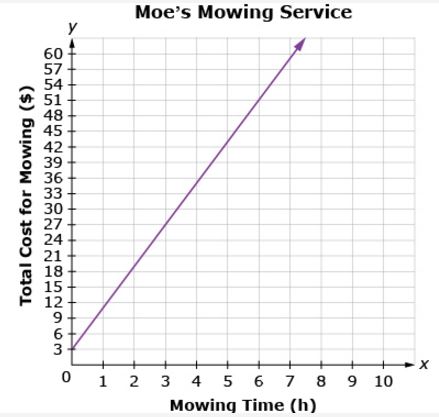


Which variable should be on the x axis?
dependent variable
independent variable
control variable
How can you create a 'fair test'?
By changing one factor and keeping all the other conditions constant
By changing some variables but keeping one constant
But repeating the experiment more than 10 times
By allowing each scientist to record the results separately
Which variable should be on the y axis?
the dependent variable
the independent variable
the control variable
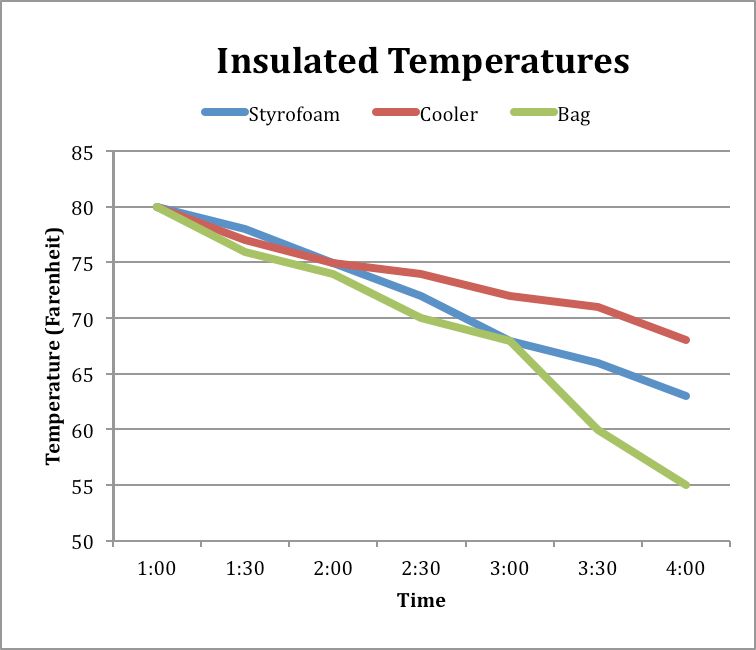
What was the temperature of the liquid in the Styrofoam container at 4:00?
55 degrees
68 degrees
73 degrees
63 degrees
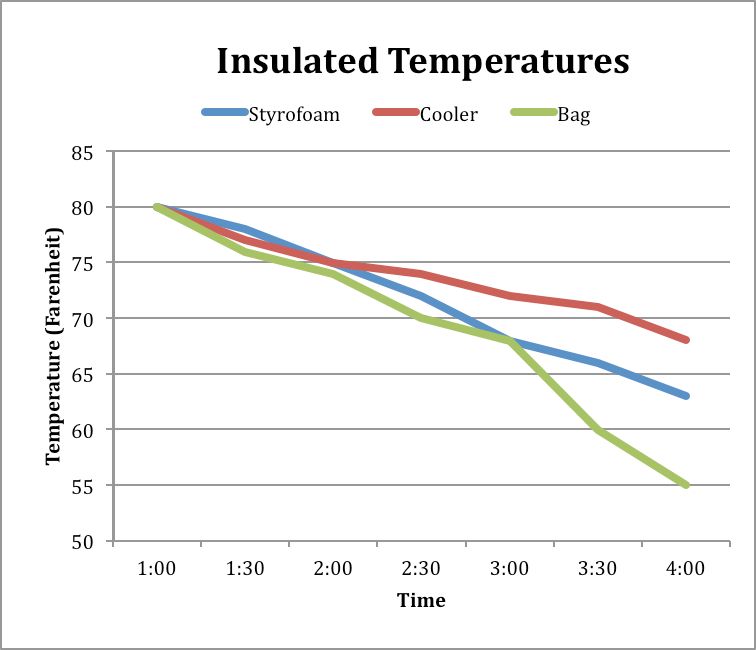
What data does this graph represent?
This graph represents the change in temperature of a liquid over time in 3 different containers.
This graph represents how temperature can change the molecules in a material.
This graph represents the phase changes of a material.
This graph represents what type of container people use the most to store hot liquids.


