
NEW
Font size
 Worksheets
2nd 9 WEEKS EXAM REVIEW
Total questions: 60
Worksheet time: 47mins
Why do organisms need to be able to reproduce?
So they can jump faster
In order to create new offspring
So they can go extinct.
So that every species on Earth can be genetically identical.
How many parent(s)are needed for asexual reproduction?
2
1
9
100
A hydra reproduces when an outgrowth, or bud, forms and continues to develop until it falls off of the parent. This is an example of:
Binary Fission
Sporulation
Budding
Vegetative Propagation


Which is a type of Asexual Reproduction
Sexual
Binary fission
Cells
organism
This type of reproduction involves two parents.
Asexual reproduction
Sexual reproduction
Which answer choice is NOT a type of asexual reproduction?
budding
fragmentation
fertilization
binary fission
In some organisms, different species can reproduce but the offspring are infertile (can't reproduce).
True
False
What cells are involved in sexual reproduction?
Mitochondria & Golgi apparatus.
Chloroplasts and ribosomes.
Sperm and egg cells.
None of the above.
Sperm and egg cells are known as.
Sex cells
Asexual cells
Jail cells
In what organelle of plant cells does photosynthesis occur?
mitochondria
centrioles
chloroplast
ribosomes

An animal cell has the following except a/an...
Nucleus
Lysosome
Cell Wall
Endoplasmic reticulum

Rigid box like shape around the Cell Membrane that gives a plant cell extra support and protection.
membrane
mitochondria
Golgi Bodies
cell wall
Do animal cells have cell walls?
Yes
No
An animal cell can take a different shape because it does not have a stiff, ridge cell wall.
True
False
Select the disease which can be treated with antibiotics.
Cold
Influenza
COVID 19
Bacterial infection
Select the correct definition for antibiotics.
Chemicals which destroy bacteria.
Chemicals which destroy fungi.
Chemicals which destroy viruses.
Chemicals which destroy parasites.

Why do we use models in science?
(A) To visualize the latest fashions.
(B) To visualize extremely large objects and phenomena.
(C) To visualize extremely small objects and phenomena.
(D) BOTH B and C
A/an ________ is an injection of a weakened form of a pathogen to help the individual gain immunity from a disease.
Virus
Vacuum
Vaccine
Antibiotic
Which of the following scientific tools is MOST beneficial in the field of medicine?


It occurs when a scientist's expectations change how the results are viewed
Scientific law
Scientific theory
Bias
Model

What is a factor that can change in an experiment?
Claim
Variable
Scientific Inquiry
Hypothesis

Factor that you keep the same in an experiment
Independent Variable
Dependent Variable
Controlled Variable
Operational Definition

What variable in an experiment is measured? - it is also called the responding variable.
For example: measuring the amount of mold on bread
Dependent variable
Operational Definition
Independent Variable
Control Variable

What variable in an experiment is measured? - it is also called the responding variable.
For example: measuring the amount of mold on bread
Dependent variable
Operational Definition
Independent Variable
Control Variable
The independent variable is the "I CHANGE" variable.
True
False

To receive a characteristic or trait genetically form one's parent or grandparent.
Inherit
Nurture
Acquire
What is the same thing as obtain?
Acquire
Characteristic
Environment
The conditions surrounding a living things that affect its life.
Environment
Heredity
Characteristic
What is an acquired trait?
a characteristic that a living thing is born with
a characteristic that a living thing gets during its lifetime
physical appearance
heredity
Are acquired physical traits passed down from parents to offspring?
yes
no
Which is an inherited physical trait?
a girl has brown eyes
a girl has a bruise on her arm
a boy has straight teeth from braces
a child has a scar on her leg
What is the digestive system?
A system to take out the bad stuff that's in your body
A system where a certain group of organs work together to convert food into energy to feed the body
A system where certain organs in the body digest the food you eat
A system that the organs in the stomach make food for the body to digest.
Specialized structures which carry information between your body and the central nervous system
nerves
neuron
brain
vertebrae
Actions which are NOT under your control
voluntary
involuntary
vertebrae
brain
This term is used when a disease affects a large proportion of the people over a large area.
Epidemic
Pandemic
Disease
Pathogens
This term is used when many people in a local area get sick at the same time.
Epidemic
Pandemic
Diseases
Pathogens
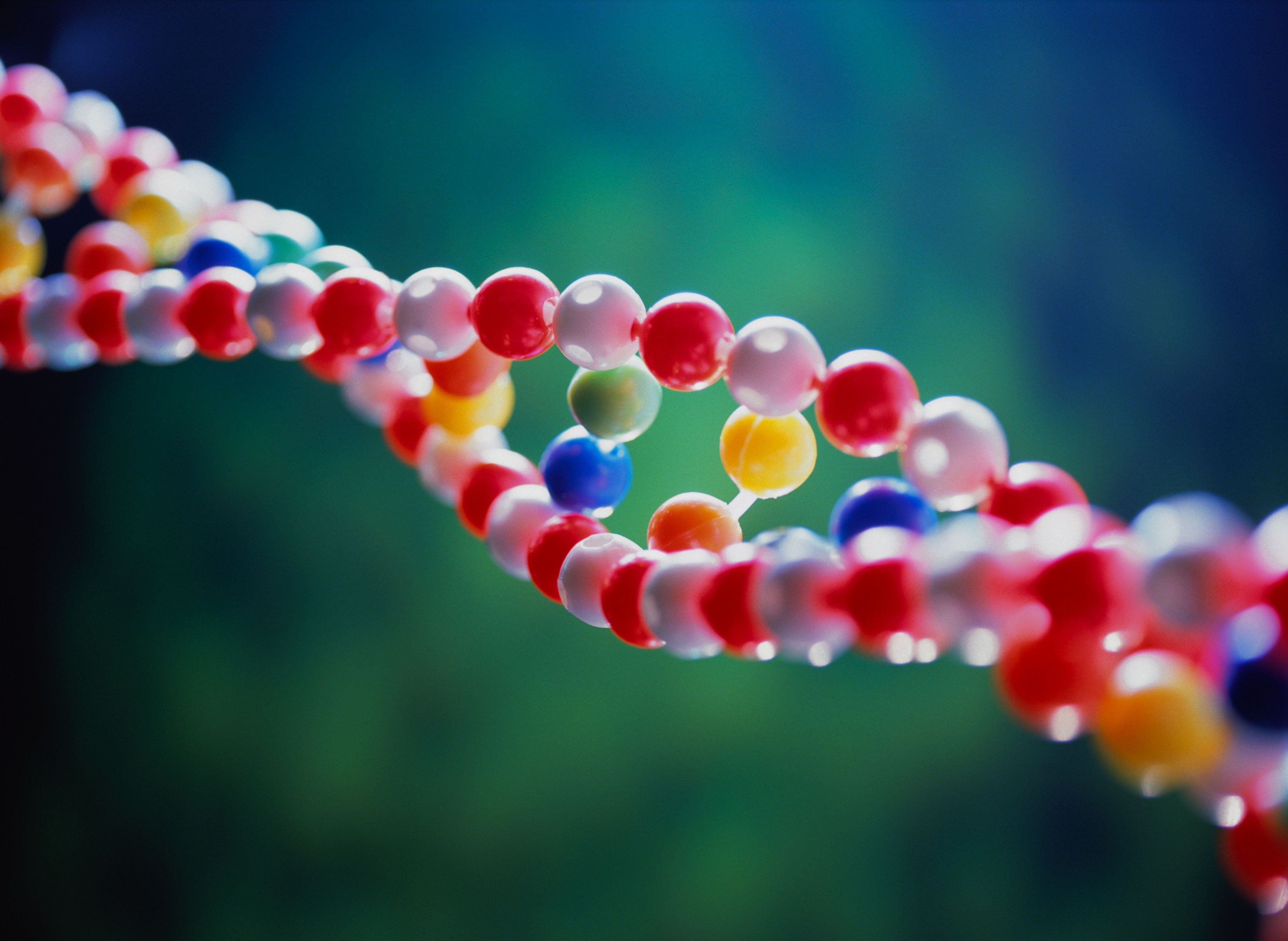
Why is DNA important?
it is very small and very complicated
it's in everything
it serves as the blueprint for traits of all living things
because we eat it every day for energy

