wayground logo

Free Printable Worksheets

NEW

Font size

S
M
L
XL
Worksheets

2020 World Geo 1st Semester Exam

Total questions: 79

Worksheet time: 1hrs 20mins

Name
Class
Date
1.
Which is NOT a feature of culture
a)
language
b)
architecture
c)
music
d)
health care 
2.
All of the following are parts of culture EXCEPT
a)
language
b)
religion
c)
clothes
d)
globalization
3.
Cultural diversity is?
a)
having a variety of cultures in one area
b)
a region with a specific culture
c)
having one culture 
4.
The way people eat in their country such as with forks, chopsticks or fingers is an example of:
a)
cultural trait
b)
ethnic group
c)
cultural diffusion
d)
cultural region
5.
What is the holy book of Islam?
a)
Gospels
b)
Torah
c)
Koran
d)
Bible
6.
What is the place of worship of Judaism?
a)
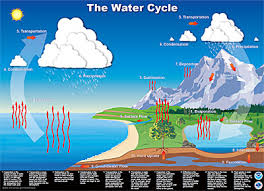
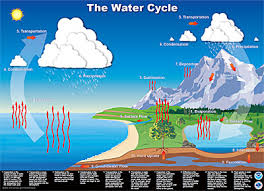
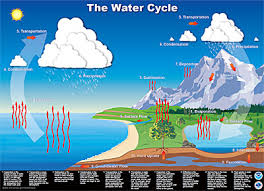
Synagogue
b)
Church
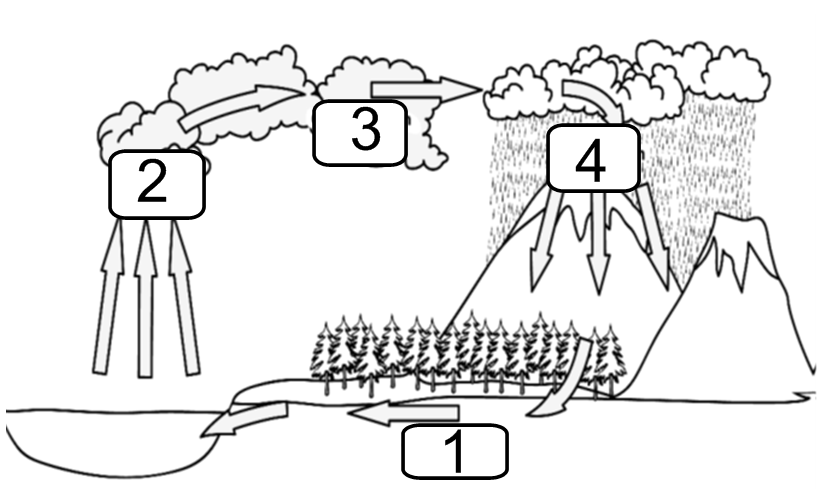
c)
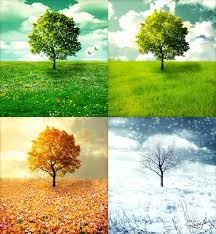
Mosque
7.
Who is the founder of Christianity?
a)
Abraham
b)
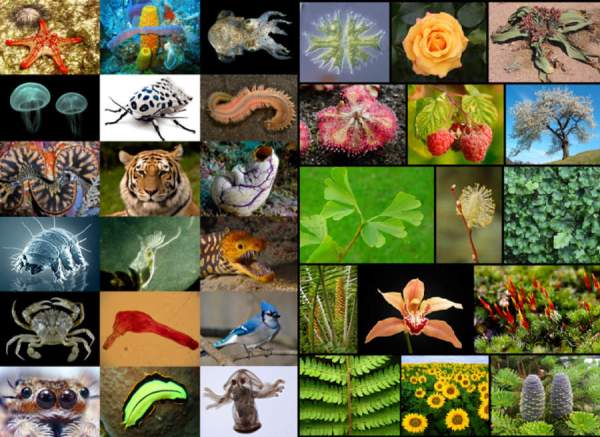
Mohammed
c)
Jesus
8.
What is the belief in only one God?
a)
Polytheism
b)
Diffusion
c)
Monotheism
9.
The founder of Islam is
a)
Jesus
b)
Mohammed
c)
Abraham
10.
What is the place of worship for Christians?
a)
Church
b)
Synagogue
c)
Mosque
11.
What is the place of worship for Islam
a)
synagogue
b)
church
c)
mosque
12.
The North American Free Trade Agreement (NAFTA) did what?
a)
removed economic barriers 
b)
space travel
c)
free speach
d)
the location of oil in Canada
13.
In free enterprise systems decisions about what to make are decided by?  
a)
the government
b)
population 
c)
consumer demand 
d)
the President 
14.
In free markets ________________ and _______ set the prices for things. 
a)
government control
b)
free elections
c)
lack of freedom 
d)
supply , demand 
15.
Democracy is what? 
a)
A King or Queen is the official head of state but power is limited by a constitution.
b)
A political system in which the supreme power lies in a body of citizens who can elect people to represent them
c)
An economic system in which the factors of production are owned by the public and operate for the welfare of all
d)
I type of government where the state it self controls all products and the economy. 
16.
Capitalism is what? 
a)
Goods brought into a country from another country to be sold.
b)
An economic system in which the factors of production are owned by the public and operate for the welfare of all
c)
An economic system based on private ownership of capital (Companies, products, etc. )
d)
A political system in which the supreme power lies in a body of citizens who can elect people to represent them
17.
What is the type of government where there is no ruler in charge, and has no structure of authority?
a)
Anarchy
b)
Oligarchy
c)
Theocracy
d)
Dictatorship
18.
Can range from dictatorships where the government controls everything, to democracy where the people elect leaders.
a)
Cultural Diffusion
b)
Types of Governments
c)
Information Revolution
d)
Branches of Geography
19.
What type of government is being described? Fidel Castro held total authority over the citizens of Cuba and punished those who were against him.
a)
Theocracy
b)
Democracy
c)
Dictatorship 
d)
Oligarchy
20.
Which type of government do we have in the United States?
a)
Monarchy
b)
Democracy
c)
Dictatorship
21.
A government where a God or divine ones are given the status of supreme ruler?
(Examples: The Vatican, Egyptians, etc..)
a)
Democracy
b)
Dictatorship
c)
Monarchy
d)
Theocracy
22.
God and religious law are the government's authority.
a)
Anarchy
b)
Oligarchy
c)
Direct Democracy
d)
Theocracy
23.
What type of government has a king or queen that holds all the power?
a)
Monarchy
b)
Dictatorship
c)
Direct Democracy
d)
Republic
24.
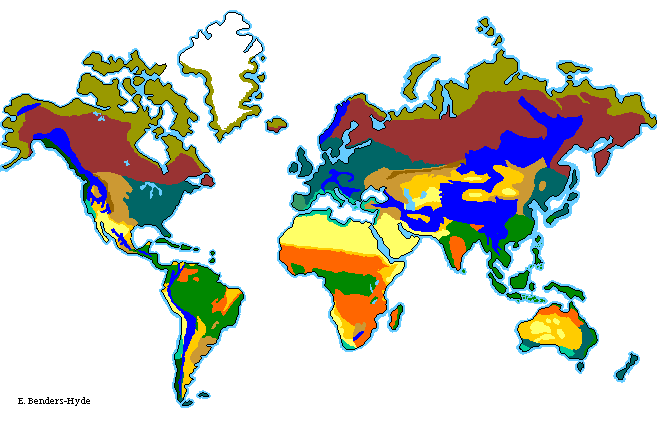
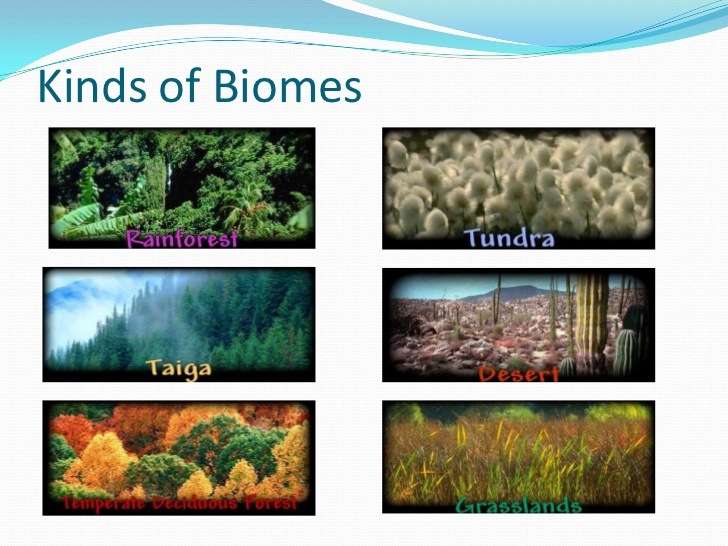
A large ecosystem is called a ______
a)
Ecosystem
b)
Habitat
c)
Biome
d)
Niche
25.
What is the main factor that separates the biomes?
a)
Land
b)
Water
c)
Climate
d)
Longitude
26.
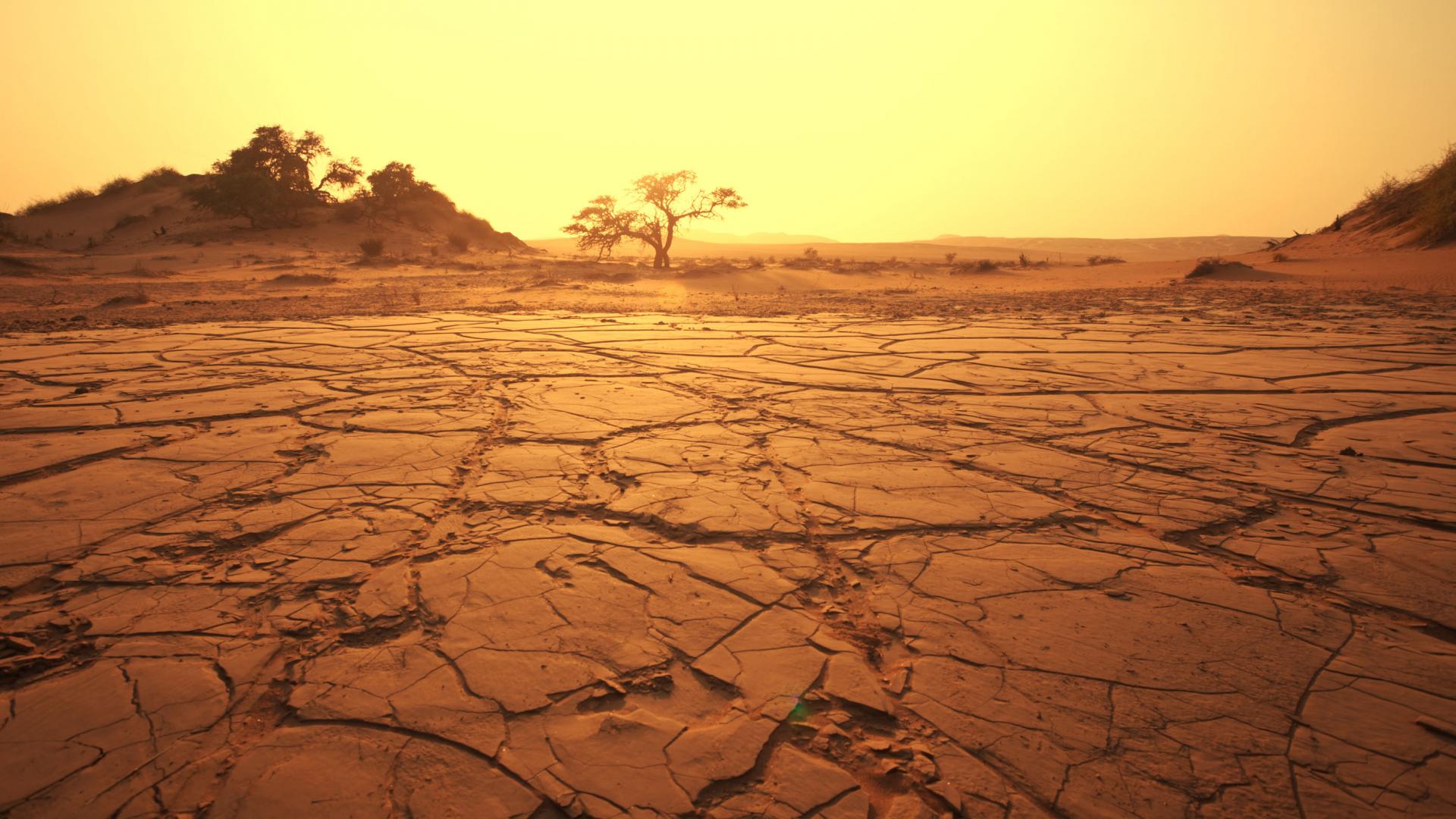
Which biome is the driest?
a)
Desert
b)
Tundra
c)
Taiga
d)
Rainforest
27.
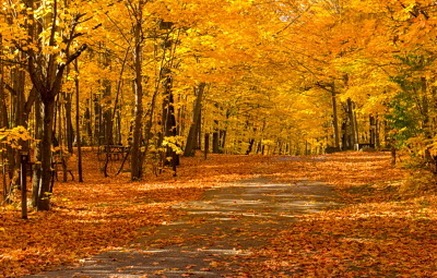
Which biome has deciduous trees (which lose their leaves)?
a)
Temperate Forest
b)
Rainforest
c)
Grasslands
d)
Taiga
28.
Which biome has wide-open fields of grass?
a)
Taiga
b)
Grasslands
c)
Temperate Forest
d)
Rainforest
29.
Which biome has 4 seasons?
a)
Taiga
b)
Tundra
c)
Grasslands
d)
Temperate Forest
30.
Which biome has the most variety of plants and animals?
a)
Temperate Forest
b)
Rainforest
c)
Tundra
d)
Grasslands
31.
The four types of economic systems are: 
a)
Traditional, Command, Mixed, & Market
b)
Traditional, Command, Combined, & Market
c)
Communism, Capitalism, Free Market, and Macroeconomics
d)
Microeconomics, Macroeconomics, Individual, and Traditional.
32.
Which of the following is an economic system in which economic decisions are made according to social roles & culture?
a)
Market economy
b)
Command economy
c)
Traditional economy
d)
Mixed economy
33.
Which of the following is an economic system in which the government and people are used to decide how to use scarce resources?
a)
Market economy
b)
Command economy
c)
Traditional economy
d)
Mixed economy
34.

Why would a company move their production to China?

a)

It's better weather in China

b)

There is cheaper labor in China

c)

There is more government regulation in China

d)

There are better working conditions in China

35.

What is globalization?

a)

a world war

b)

orbiting around the earth

c)

interconnection throughout the world

d)

when countries become isolationist

36.

What is outsourcing?

a)

obtaining goods or services from an outside supplier

b)

when an outside company steals from another company

c)

when a company buys another company

d)

when you use your neighbors internet

37.

What has been an important impact of globalization?

a)

lower cost of goods for consumers

b)

less international competition

c)

increase in isolationism

d)

people are less informed about world events

38.

A free trade agreement is an example of

a)

globalization

b)

protectionism

c)

isolationism

d)

tacticism

39.

Hiring outside suppliers to handle work that was once done in-house for higher costs.

a)

Offshoring

b)

Outsourcing

c)

Investing

d)

Plotting

40.

Bring goods in from another country to sell

a)

import

b)

export

c)

trade

d)

retail

41.

Send goods to another country to sell

a)

import

b)

export

c)

trade

d)

retail

42.

Christmas Island crabs migrating to the beaches every year is an example of:

a)

Region

b)

Location

c)

Human-Environment Interaction

d)

Movement

43.

Which of these is an example of Absolute Location

a)

Finding the GPS coordinates of Robert Smalls

b)

Telling someone that Robert Smalls is next to Walmart

c)

Describing what Robert Smalls looks like to someone

d)

Telling someone how far Robert Smalls is from the fire station

44.

What is a region?

a)

A place with political boundaries

b)

A place with natural boundaries

c)

A place with unifying characteristics

d)

A place where people do not live

45.

Which of these IS NOT a key concept of human-environment interaction?

a)

Depend

b)

Adapt

c)

Modify

d)

Overcome

46.

What two characteristics make up Place?

a)

Human and Physical

b)

Physical and Natural

c)

Human and Unnatural

d)

Natural and Unnatural

47.

Which of these is an example of Relative Location?

a)

Colombia sits on the equator

b)

The coordinate 6 N 17 W falls in the Atlantic Ocean

c)

The hospital is about 4 minutes away from my house

d)

Utah is at 40 N 110 W

48.

Which of these falls under Migration?

a)

People

b)

Ideas

c)

Goods

d)

All of the Above

49.
Where does most of Canada's population live?
a)
On or near the border of the United States
b)
In the Northern region
c)
The Interior
d)
The Northeast
50.
Why is the population density lower in the western part of the U.S.?
a)
The mountains and deserts force the settlement patterns to groups closer together.
b)
The eastern half of the U.S. experiences harsh weather and a cold climate yearly.
c)
The newer settlements are on the East Coast.
d)
The nuclear testing in the Nevada desert made those states uninhabitable
51.
Where does most commercial agriculture take place?
a)
Northeast
b)
Southwest
c)
Southeat
d)
Midwest
52.
What are the official languages of Canada?
a)
English and French
b)
French and German
c)
English and German
d)
British and German
53.
An urban center is a large area where there is more possibility for economic growth and an increased population. 
a)
True
b)
False
54.

United States and Canada were colonized by --

a)

Asia

b)

Africa

c)

South America

d)

Europe

55.

What is the most influential geographic feature that attracts people to an area?

a)

bears

b)

Access to water

c)

good farm land

d)

access to food

56.

Which is NOT a North American country?

a)

Canada

b)

Panama

c)

Belize

d)

the island nations of the Caribbean Sea

e)

the island nations of the East Indies

57.

This river serves as part of the natural border between Texas and Mexico.

a)

Mississippi River

b)

Snake River

c)

Rio Grande River

d)

Texas River

58.

What river is shown below?

a)

Mississippi River

b)

Rio Grande River

c)

Atlantic Ocean

d)

Pacific Ocean

59.

Mexico is a part of which continent?

a)

North America

b)

South America

c)

United States

d)

Africa

60.

What state has the most abundant natural gas resources?

a)

Texas

b)

Alaska

c)

Montana

d)

California

61.

The United States is considered a _______________.

a)

Continent

b)

City

c)

State

d)

Country

62.
What large mountain range is pictured here?
a)
Catskill Moutains
b)
Rocky Moutanins
c)
Appalachian Mountains
63.

Letter C labels what physical feature of North America?

a)

Rocky Mountains

b)

Tundra

c)

Great Lakes

d)

Volcanoes

64.

Letter D labels what physical feature of North America?

a)

Rocky Mountains

b)

Tundra

c)

Great Lakes

d)

Volcanoes

65.

Letter E labels what physical feature of North America?

a)

Appalachian Mountains

b)

Mississippi River

c)

Central Plains

d)

Grand Canyon

66.
During which stage do clouds form?
a)
condensation
b)
evaporation
c)
precipitation
67.
Which stages does liquid water from the ocean turn into water vapor?
a)
condesantion
b)
evaporation
c)
precipitation
d)
run off
68.
Which stage does ground water try to return to the ocean or soak into the ground?
a)
condensation
b)
evaporation
c)
precipitation
d)
run off
69.
Which stage does the #2 show in the diagram?
a)
condensation
b)
evaporation
c)
precipitation
d)
run off
70.
What happens when it's spring in the Southern Hemisphere?
a)
It's fall in the Northern Hemisphere
b)
It's summer in the Northern Hemisphere
c)
It's winter in the Northern Hemisphere
d)
It's spring in the Northern Hemisphere
71.
Imaginary line through the center of the earth (from the north pole to south pole)
a)
axis
b)
orbit
c)
pole
d)
tilt
72.
Why is summer warmer than winter?
a)
The hemisphere experiencing summer is tilted more directly toward the sun
b)
The entire planet is closer to the sun during summer
c)
The sun radiates more energy during the summer
d)
The earth spins slower on its axis during the summer
73.
The sun appears to move across the sky each day.  What causes this?
a)
the spinning of the Earth's axis
b)
The path of the sun around the Earth
c)
the production the nuclear energy around the sun
d)
the tilt of the Earth on its axis
74.

The length of one year is the time it takes

a)

the moon to complete its phases.

b)

Earth to complete 12 rotations around its axis

c)

Earth to complete one revolution around the sun.

d)

the moon to complete one revolution around the Earth.

75.
This is part of the....
a)
Geosphere
b)
Biosphere
c)
Hydrosphere
d)
Cryosphere
76.
All living things on earth are part of the....
a)
Biosphere
b)
Geosphere
c)
Hydrosphere
d)
Cryosphere
77.
All frozen water on Earth is...
a)
Hydrosphere
b)
Geosphere
c)
Cryosphere
d)
Atmosphere
78.
Geo = 
a)
Earth
b)
Sphere
c)
Life
d)
Water
79.
Hydro = 
a)
Sphere
b)
Earth
c)
Life
d)
Water