
 Worksheets
Nutrition and Wellness Review
Total questions: 50
Worksheet time: 26mins

What are the 5 groups on MyPlate?
Dairy, Fruit, Protein, Vegetables, & Grains
Fruit, Vegetables, Sugar, Oil, Rice
Meat, Rice, Potatoes, Fruit, Vegetables

Teens should be eating a lot of what kind of foods?
Fast Food
Grain Foods
Nutrient Dense Food

Nutrition Labels are ...
Where all the ingredients are listed
Have the nutritional fact on it
Both

14. Balance is key to having a healthy diet
False
True
What is the Temperature Danger Zone?
32-40
40-80
40-140
140-212
What is the first aid technique that helps someone who is choking?
CPR
Heimlich maneuver
Which foodborne illness can be found in canned food?
Botulism
Campylobacter
E. Coli
Salmonella
What is the spread of bacteria from one surface to another?
Cross-Contamination
FATTOM
Two-Hour Rule
Cross handle


Identify this kitchen measuring equipment
liquid measuring cup
dry measuring cup
measuring spoon
glass mixing bowl
The abbreviation for Tablespoon is
tsp
Tbsp
t
T
Both 2 and 4
Where do we get most of our energy?
fat
water
protein
carbohydrates
Which nutrient helps build muscle tissues:
water
protein
carbohydrates
fat
Which fat is the "bad" fat?
saturated fat
unsaturated fat
protein fats
oils
According to My Plate, which of the following should you watch out for?
too many minerals
too many fats and sugars
not enough empty calories
small amounts of fat, sugar and salt

How many calories in one serving?
37g
55g
40
230
Carbs come mainly from what source?
water
animal
plant
fish
Fiber does not break down in your body.
True
False
Iron is needed to build red blood cells and muscle development in your body.
Yes
No
Foods without nutrients are called "empty" calories?
True
False
A diet lacking in which mineral would increase the risk of osteoporsis later in life?
iron
calcium
zinc
iodine
The study of how your body uses food you eat is called?
minerals
water
vitamins
nutrition
Calorie is a measure of
Energy
Weight
Distance
Volume
French bread
Chicken alfredo
Broccoli
Glass of milk
What food group is he missing?
Why is it important for your health to eat a wide variety of foods?
So food tastes good
to get all the nutrients
to get the most calories
to see the nutrition label
which nutrient helps to build bones and teeth?
Carbohydrates
Fats
Water
Minerals

To avoid food borne illnesses, it is best to ____________ after using the toilet.
wipe hands
do nothing
lick hands
wash hands
Effective hand washing requires:
A 30 second rinse under warm running water
Washing with soap and warm water for 20 seconds
The use of antibacterial soap
The use of paper towels
Leftovers should be stored...
At room temperature
In the fridge immediately
In the oven
Check the box if you should wash your hands.
Before using food
After preparing raw meat
Before getting dressed
After blowing your nose, coughing, sneezing, and touching your eyes, nose, or mouth
After you use the bathroom

_____is a biological agent that causes disease or illness to its host.
Party
Pathogen
Protozoa
Proton

All of the following are at greater risk of food borne illnesses EXCEPT:
Elderly
Infants
Teens
Pregnant
Having the exact measurement of ingredients help us to avoid any mistake when cooking.
TRUE
FALSE
this french term means, "everything in place".
Mise en Place
Nis en Place
Mis en Place
Pleace a Pleug
A _____ knife is a safe knife.
Dull
Small
Large
Sharp
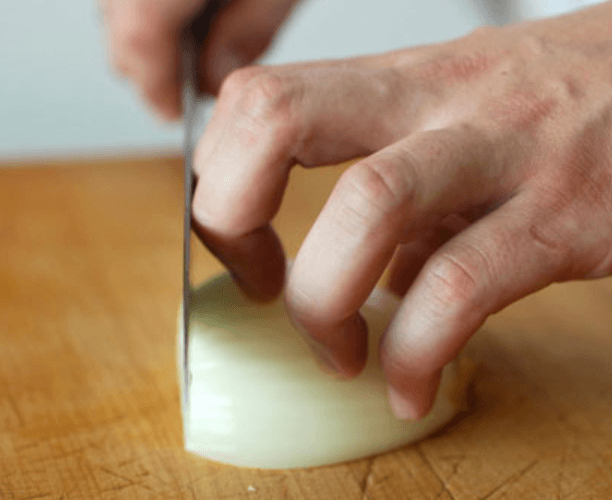
use the _________ technique to protect fingers while cutting foods.
Claw grip
flat fingers
Nuckle grip
Palm grip

