
 Worksheets
JC4 Music Theory Final Exam
Total questions: 110
Worksheet time: 2hrs 33mins

What is the NAME of this symbol?
Quarter Note
Eighth Note
Quarter Rest
Whole Note

What is the NAME of this symbol?
Eighth Note
Quarter Note
Half Note
Sixteenth Note

What is the NAME of this symbol?
Sixteenth Note
Half Rest
Quarter Note
One-Fourth Note

What is the NAME of this symbol?
Fermata
Half Note
Eighth Note
Eighth Rest

What is the NAME of this symbol?
Sixteenth Note
Eighth Note
Soprano Note
Whole Note

What is the NAME of this symbol?
Beamed Eighth Notes
Connected Eighth Notes
Tied Eighth Notes
Flagged Eighth Notes

What is the NAME of this symbol?
Whole Rest
Half Rest
Quarter Rest
Whole Note

What is the NAME of this symbol?
Whole Rest
Half Rest
Quarter Rest
Eighth Note

What is the NAME of this symbol?
Half Rest
Quarter Rest
Eighth Rest
Half Note

What is the NAME of this symbol?
Eighth Rest
Sixteenth Rest
Quarter Note
Eighth Note

What is the NAME of this symbol?
Eighth Rest
Sixteenth Rest
Eighth Note
Sixteenth Note

What is the BEAT VALUE of this symbol?
4
2
1/2
1/4
What is the BEAT VALUE of a HALF NOTE?
1/2
2
4
1
What is the BEAT VALUE of an EIGHTH NOTE?
1/2
1/8
1
8

What is the BEAT VALUE of this symbol?
1/16
1/8
1/2
1/4

This symbol represents _____ beats of _____.
2, sound
2, silence
4, sound
4, silence

What symbol goes with this rhythm syllable?


What symbol goes with this rhythm syllable?


What symbol goes with this rhythm syllable?


What symbol goes with this rhythm syllable?


What is the BEAT VALUE of this symbol?
1/2
1
2
1/4

What is the BEAT VALUE of this symbol?
1/8
1/4
1/2
1/16

How many beats per measure in this time signature?
2
4
6
1

How many measures are shown in this example?
1
2
4
6

The line that separates measures is called a measure line, or is also called a:
bar line
measure divider
double line
fence line

What is the function of the rhythmic dot?
to play a note very short
to extend the note by 1/2 of the note's value
to combine notes together
to sing notes without breathing in between

What is the function of the tie?
to play a note very short
to extend the note by 1/2 of the note's value
to combine notes together
to sing notes without breathing in between

What is the beat value shown?
1
2
3
4

What is the beat value shown?
6
8
10
4

What is the BEAT VALUE of this symbol?
1
1 1/2
2
3

What is the BEAT VALUE of this symbol?
1
1 1/2
2 1/2
3

What is the BEAT VALUE of this symbol?
2
4
6
8

Which note accurately completes this measure?


Which note accurately completes this measure?

Based on the function of the tie, what is the beat value?
1/2 and 1
1 1/2
2
2 1/2

What note would complete the total beat value?


What does the top number of a time signature mean?
how many beats are in each measure
what type of note gets the beat
how fast the music will go
how many beats you have to count before you start singing

How many whole notes would fit in one measure of this time signature?
1
2
4
6


C
D
E
F

A
C
E
D

B
A
C
G

C
A
B
G

D
B
A
C

A
B
C
D

G
A
B
C

What symbol is this?
Bass Clef
Staff
Treble Clef
Time Signature

B
F
G
E

A
G
B
D
One STAFF has...
Five Lines and Four Spaces
Four Lines and Five Spaces
Five Lines and Five Spaces
Four Lines and Four Spaces

Middle C
Middle D
Middle F
Middle Note

F
C
G
H
D

C
E
G
B
F

F
G
A
B
C

C
D
E
F
G

C#
D#
F#
Eb
Cb

Bb
Ab
Eb
Db
Gb

What symbol is this?
Bass Clef
Treble Clef
G Clef
Key Signature

What is the technical term for "Do," the first note of a major scale?
Time Signature
Tonic
Key Signature
C

Is this a whole step or half step?
whole
half

Is this a whole step or half step?
whole
half

Is this a whole step or half step?
whole
half

Is this a whole step or half step?
whole
half

Is this a whole step or half step?
whole
half

Is this a whole step or half step?
whole
half

Is this a whole step or half step?
whole
half
What does a flat do to a note?
Raises the note a half step
Lowers a note a half step
Keeps the note the same
Squishes it like a pancake.
What does a sharp do to a note?
Raises the pitch a half step.
Lowers the pitch a half step.
Keeps the note the same.
Cuts it in half.

What is the name of this symbol?
Sharp
Natural
Flat
Little B

What is the name of this symbol?
Sharp
Hashtag
Flat
Natural
What does a natural sign look like?


Which is written correctly?
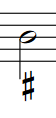
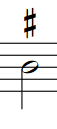


Which is written correctly?


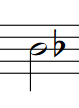

What is the name of this note?
Eb
G
Gb
G#


Bb
Cb
C
Eb

C#
E
E#
G#


Name the RED note
F♯
F♭
F♮


What is this interval?
unison
octave
eighth
second
What is this interval?
unison
octave
eighth
second

What is this interval?
unison
octave
seventh
sixth

What is this interval?
third
fourth
fifth
sixth

What is this interval?
octave
fourth
fifth
second

What is this interval?
unison
second
third
fourth
sixth

D
F
G
A
B

D
G
A
B
C

A
B
C
D
E

E
F
G
A
B

A
G
F
E
D

Major Scale
NOT a Major Scale

Major Scale
NOT a Major Scale

Major Scale
NOT a Major Scale

Major Scale
NOT a Major Scale

Major Scale
NOT a Major Scale

Major Scale
NOT a Major Scale

What is this dynamic level?
Mezzo Piano
Mezzo Mezzo
Mezzo Forte
Forte

What is this dynamic level?
fortissimo
forte
mezzo forte
piano

What does "pianissimo" mean?
Very Soft
Moderately Soft
Loud
Very Loud

Name this symbol
mezzo piano: a medium soft volume of sound
forte: a big (loud) volume of sound
piano: a soft volume of sound
powerful
What does "tempo" mean?
How fast or slow the music is.
How loud or soft the music is.
How high or low the music is.
How long it takes to play the whole song.

