
 Worksheets
Unit One Test
Total questions: 88
Worksheet time: 54mins
a person who studies human history and prehistory through the excavation of sites and the analysis of artifacts and other physical remains.
Prehistory
Scribe
Archeologist
Budda
was the divine source of authority and the right to rule of China’s early kings and emperors. Stated that if the ruler did not use power to help his people they would have their power taken away.
Islam
Judaism
Democracy
Mandate of Hevan
the doctrine or belief that there is only one God.
Polytheism
Monotheism
Hinduism
Mandate of Heaven
a class structure that is determined by birth. Loosely, it means that in some societies, if your parents are poor, you're going to be poor, too.
Mandate of Heaven
Polytheism
Caste System
Buddhism
Followers of this don’t acknowledge a supreme god or deity. They instead focus on achieving enlightenment—a state of inner peace and wisdom. When followers reach this spiritual echelon, they’re said to have experienced nirvana.
Islam
Judaism
Christianity
Buddhism
the belief in or worship of more than one god.
Judaism
Polytheism
Mandate of Heaven
Monotheism
umbrella term which encompasses the social behavior, and norms found in human societies, as well as the knowledge, beliefs, arts, laws, customs, capabilities and habits of the individuals in these groups.
Cycle
Classical
Republic
Culture
a state in which supreme power is held by the people and their elected representatives, and which has an elected or nominated president rather than a monarch.
Republic
Classical
Oliarchy
Democracy
a monumental structure with a square or triangular base and sloping sides that meet in a point at the top, especially one built of stone as a royal tomb in ancient Egypt.
Pharaoh
Pyramid
Nile River
Classical
the period of time before written records
Classical
Mandate of Heaven
Pretime
Prehistory
flows from south to north through eastern Africa. It begins in the rivers that flow into Lake Victoria, and empties into the Mediterranean Sea. Longest river in the world and played a key role in the development of Egypt.
Amazon River
Huang Ho
Nile River
Indus River
Hinduism
a religion developed among the ancient Hebrews and characterized by belief in one transcendent God who has revealed himself to Abraham, Moses, and the Hebrew prophets and by a religious life in accordance with Scriptures and rabbinic traditions
the main religion of India which includes the worship of many gods and the belief that after you die you return to life in a different form
Followers of this don’t acknowledge a supreme god or deity. They instead focus on achieving enlightenment—a state of inner peace and wisdom. When followers reach this spiritual echelon, they’re said to have experienced nirvana.
the religious faith of in which belief in Allah as the sole deity and in Muhammad as his prophet
Christianity
the religious faith of in which belief in Allah as the sole deity and in Muhammad as his prophet
a religion developed among the ancient Hebrews and characterized by belief in one transcendent God who has revealed himself to Abraham, Moses, and the Hebrew prophets and by a religious life in accordance with Scriptures and rabbinic traditions
the religion derived from Jesus Christ, based on the Bible as sacred scripture, and professed by Eastern, Roman Catholic, and Protestant bodies
the main religion of India which includes the worship of many gods and the belief that after you die you return to life in a different form
Islam
the main religion of India which includes the worship of many gods and the belief that after you die you return to life in a different form
the religious faith of in which belief in Allah as the sole deity and in Muhammad as his prophet
a religion developed among the ancient Hebrews and characterized by belief in one transcendent God who has revealed himself to Abraham, Moses, and the Hebrew prophets and by a religious life in accordance with Scriptures and rabbinic traditions
Followers of thisdon’t acknowledge a supreme god or deity. They instead focus on achieving enlightenment—a state of inner peace and wisdom. When followers reach this spiritual echelon, they’re said to have experienced nirvana.
Judaism
a class structure that is determined by birth. Loosely, it means that in some societies, if your parents are poor, you're going to be poor, too.
a religion developed among the ancient Hebrews and characterized by belief in one transcendent God who has revealed himself to Abraham, Moses, and the Hebrew prophets and by a religious life in accordance with Scriptures and rabbinic traditions
the main religion of India which includes the worship of many gods and the belief that after you die you return to life in a different form
relating to ancient Greek or Latin literature, art, or culture.
This area was known as the Fertile Crescent?
Yellow River Valley
Indus River Valley
Egypt
Mesopotamia
This area was known as the "Gift of the Nile"?
Yellow River Valley
Indus River Valley
Egypt
Mesopotamia
This area depended on the Tigris and the Euphrates Rivers.
Yellow River Valley
Indus River Valley
Egypt
Mesopotamia
This area depended on the Indus River.
Yellow River Valley
Indus River Valley
Egypt
Mesopotamia
A city that acts as it's own nation, has own army, may support neighboring cities but is independent.
Egypt
City-State
Seafaring
Cultural Diffusion
This is the, nutrient rich, thick bed of mud that gets deposited on land after a river floods.
Fertile Crescent
Monsoon
Irrigation
Silt
Process where people dig channels from a water source to that water can flow o different areas of the land
Silt
Cultural Diffusion
Irrigation
Monsoons
First set of written laws, harsh and strict. Eye for and eye, tooth for a tooth.
Epic of Gilgamesh
Code of Hammurabi
Story of the Creation
The Bible
These were the first two civilizations?
Yellow River Valley Civilization
Indus River Valley Civilization
Egypt
Mesopotamia
These civilizations were polytheistic? (Check all that apply)
Jewish slaves in Egypt
Indus River Valley Civilization
Egypt
Mesopotamia
The spread of ideas and items from one culture to another, generally through trade.
Silt
Cultural Diffusion
Irrigation
Mandate of Heaven
This river had predictable flooding which created a regular cycle of flood, plant, harvest...
Tigris
Euphrates
Indus
Nile
Area were the Nile River meets the Mediterranean Sea and branches into smaller rivers. (Happens at many rivers)
Irrigation
Silt
Delta
Monsoon
Monotheistic religion that served as the foundation of Christianity and Islam
Judaism
Hinduism
Buddaism
Mandate of Heaven
This area had to deal with unpredictable river flooding and Monsoons?
Yellow River Valley
Indus River Valley
Egypt
Mesopotamia
This religion believes in reincarnation and uses it to explain it's caste system. It is polytheistic
Judaism
Hinduism
Buddaism
Mandate of Heaven
This was developed by Siddhartha Gautama and views the world differently, it looks for balance and wisdom in an attempt to reach nirvana.
Judaism
Hinduism
Buddaism
Mandate of Heaven
Huang He Valley (Check all that apply)
Last of the four "River Valleys" to develop
Because of Geography it was isolated
Had Unique culture based on family
Believed in Mandate of Heaven
Phoenicians are known for (Check all that apply)
Inventing the first alphabet (and ours is based off of it)
Building the pyramids
Their ability ti irrigate their land to grow crops
Being the "Purple People" because they dyed things purple with crushed up shellfish
Was a militaristic oligarchy
Athens
Egypt
Sparta
Phoenicia
Athens and Sparta, along with the other Greek City-States, were/had (Check all that apply)
Oligarchies
Based on Literature
Had Slaves
Polytheistic
During the Battle of Thermopylae the Spartans
Defeated the Persians
Defeated the Phoneticians
Lost to the Persians but held them off long enough to inspire the other Greeks and give them time to unite
Lost to the Persians but held them off long enough to inspire the other Greeks and give them time to unite
Athens (Check all that apply)
Developed Literature and art
Thought about Humans role in nature and the universe.
Fought the Persians ant the battle of Thermopylae
Helped to structure modern societies
Sparta Defeated Athens after 27 Years, weakening Greek society in the
Persian Wars
The Trojan War
The Peloponnesian War
World War Z

What river valley was located all the way to the left in this image?
Nile River Valley
Indus River Valley
Huang He River Valley
Tigris & Euphrates River Valley
What river valley was located second to the left in this image?
Nile River Valley
Indus River Valley
Huang He River Valley
Tigris & Euphrates River Valley
What river valley was located second from the right in this image?
Nile River Valley
Indus River Valley
Huang He River Valley
Tigris & Euphrates River Valley
A land mass that is surrounded by water on three sides?
desert
mountains
peninsula
plains
The Roman government _________ Christians, or treated them unfairly and punished them.
praised
worshipped
persecuted
celebrated

What was one of the main reasons for building Roman roads?
to allow tribunes to travel throughout the empire
to allow Rome's armies to travel quickly across the empire
to allow invasions from barbarians throughout the empire
to allow slaves to travel the countryside in the empire
How were Hammurabi's Code and the Roman Twelve Tables similar?
Both were written on bronze tablets
Both were displayed in public places for all to see
Both had extremely harsh consequences for breaking the law
Both were created to promote equality between social classes

What is the name of this great Roman achievement?
Stupa
Coliseum
Ziggurat
Pathenon


The Byzantine Empire was the eastern half of what remained of what ancient empire?
The Ottoman Empire
The Roman Empire
The Holy Empire
The Mongolian Empire
What is the first level/bottom level of the hierarchy?
Love and Belonging
Safety and Security
Physical Needs
Self-Esteem
What is the second level of the hierarchy?
love and belonging
self-esteem
safety and security
physical needs
What is the third stage of the hierarchy?
love and belonging
self-esteem
safety and security
physical needs
What is the fourth stage of the hierarchy?
Love and belonging
Self-esteem
Safety and security
Self-actualization
What is the last stage in the hierarchy of needs?
Self-esteem
Self-actualization
Love and belonging
Safety and security

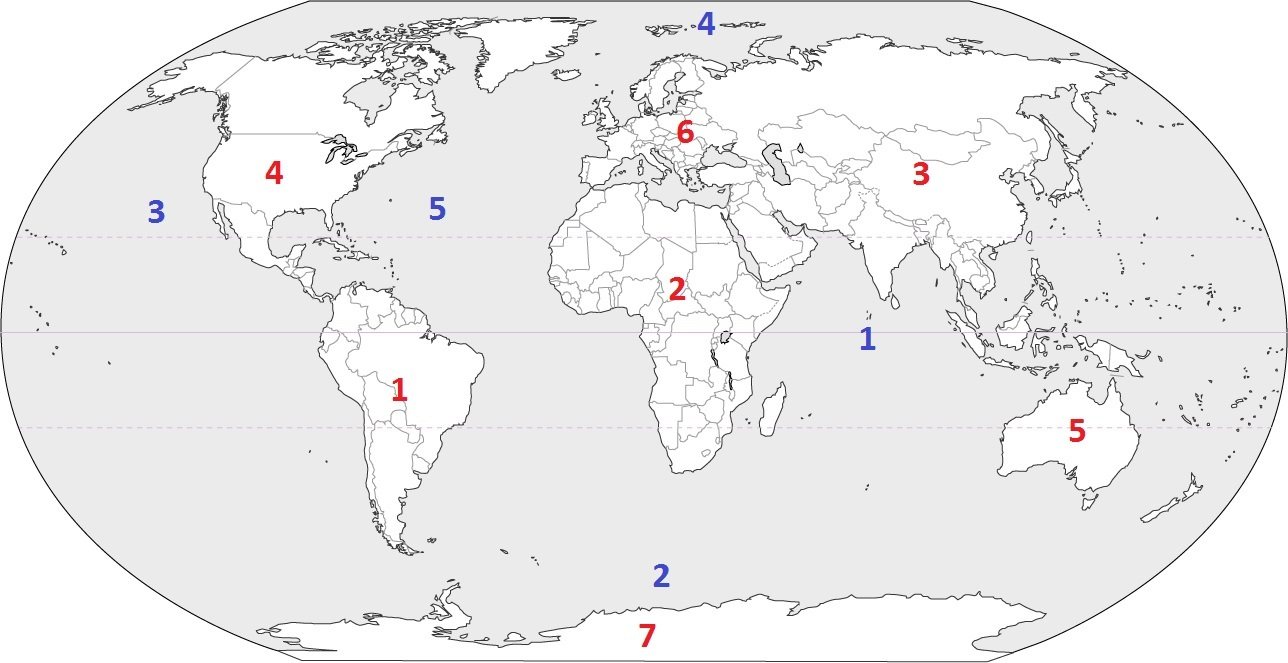
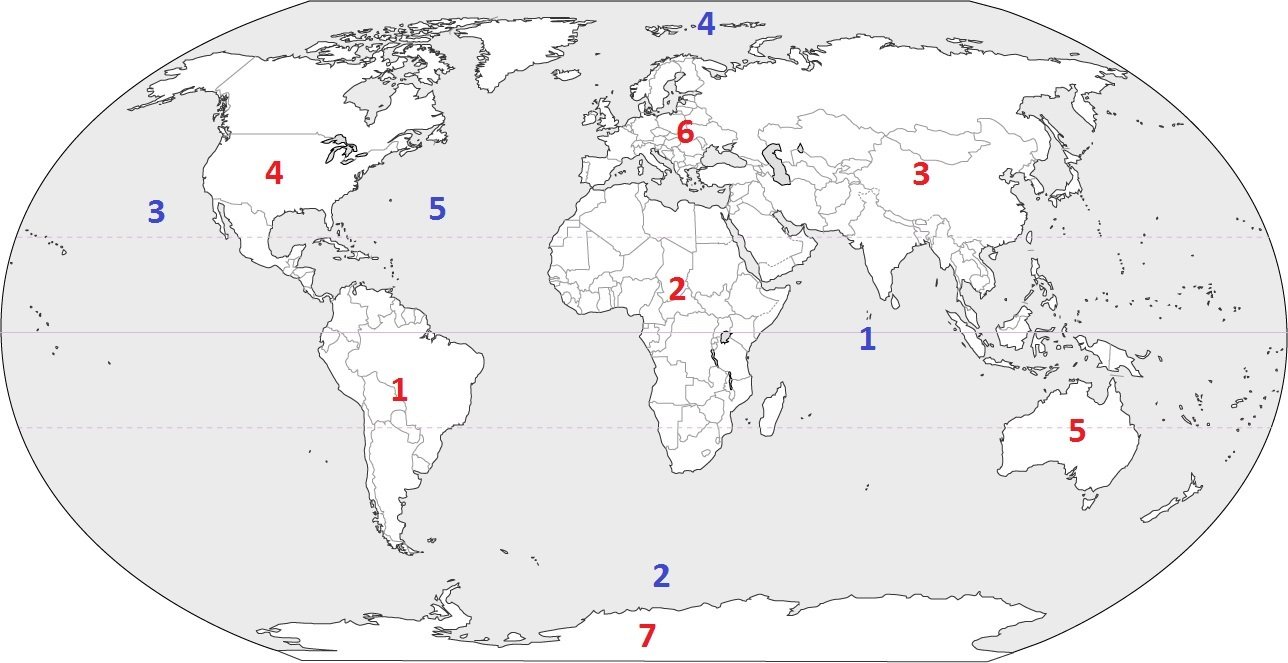
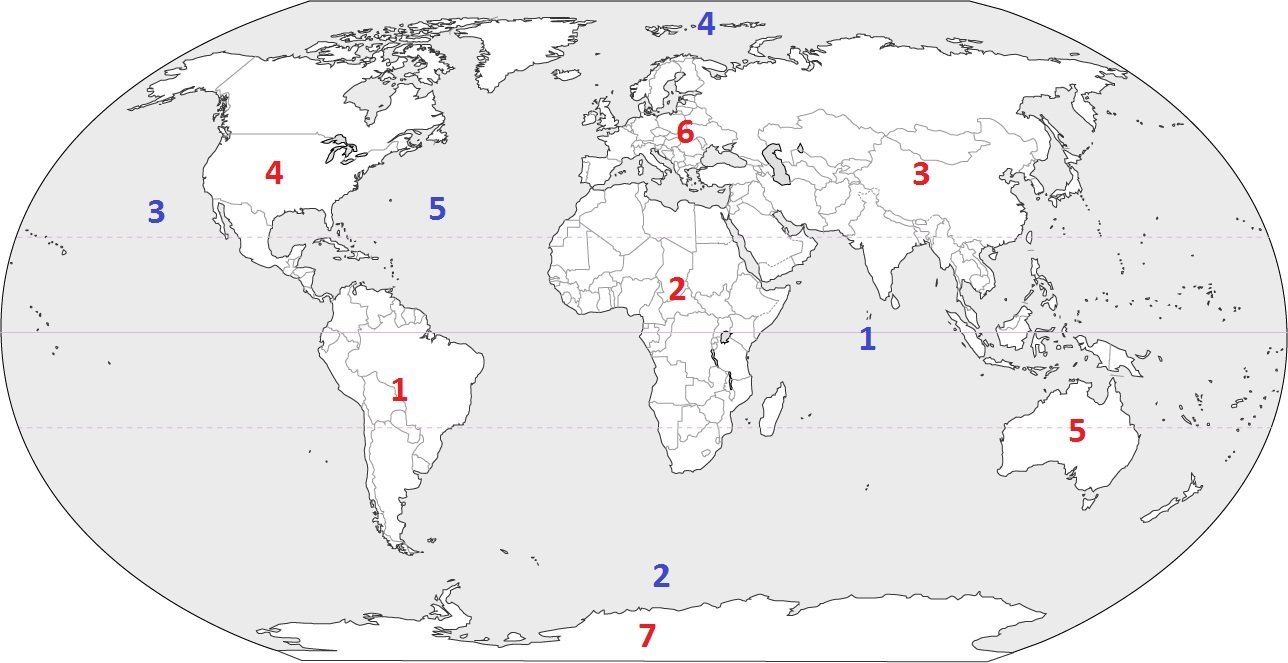
What continent is this in red?
Antarctica
Asia
Africa
Europe




the Intermediate Directions?
Southwest


