
 Worksheets
Our Environment
Total questions: 25
Worksheet time: 15mins
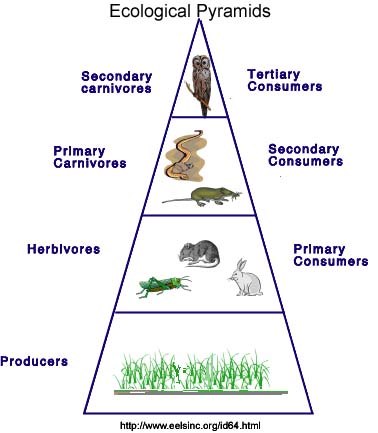
Which of the following is a primary consumer in a grassland ecosystem?
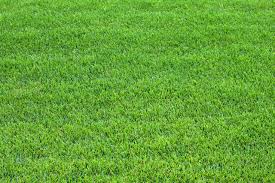
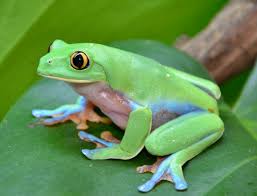
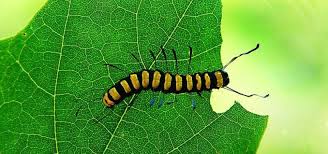
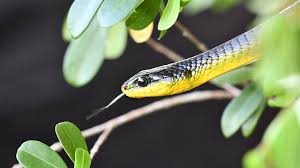
What percentage of energy is passed on to next tropic level?
10%
50%
90%
100%

What is this called?
Food Web
Food Chain
Abiotic Factors
Biotic factors

Which organism recieves the least amount of energy from the producer?
Owl
Grasshopper
Lilypad
Mouse
The phenomenon by which toxins concentrate in the organisms at higher trophic levels within an ecosystem is known as...
Biotoxicity
Biomagnification
Eutrophication
Predation
Consider the following food chain:
Algae > Mayfly > Minnow > Trout
In a polluted ecosystem, which organism is likely to have the HIGHEST level of toxic chemicals in its body?
Algae
Mayfly
Minnow
Trout
What does the Ozone in the atmosphere do?
causes the greenhouse effect
causes acid rain
protects the Earth from harmful infrared (IR) rays
protects the Earth from harmful ultraviolet (UV) rays
What damage can UV rays cause?
can cause sunburn.
can cause some types of skin cancer.
cataracts.
all of the above
What is causing damage to the Ozone layer?
Methane
Carbon dioxide
CFCs
All of the above
Identify the non- biodegradable substance from the following.
Paper
Tin cans
Vegetable peels
Wood
An artificial ecosystem is
Pond
Forest
Desert
Crop field
Each step of a food chain is called as
Trophic level
Food web
Eutrophication
Biological magnification
Calculate the amount of energy available to snake in the given food chain if there is 6500 J of energy available to grass hopper.
Grass ----> grass hopper ---> frog -----> snake
6500 J
650 J
65 J
6.5 J
Why do we need to manage the garbage we produce
i)To improve the health and quality of life
ii)For preventing environmental pollution
iii) To produce more biodegradable plastics
iv) To reduce the strain on natural resources
i and iv
iii and ii
i, ii and iii
i,ii and iv
___________________ are found as an alternative for plastics which are decomposed by microbial action.
PVC
Biodegradable plastics
thermoplastic plastic
thermosetting plastic

Which gas is not responsible for global warming?
CO2
O3
NO2
N2
Among the following which is a biodegradable waste only ??
wood , plastic bottle , rubber
soap , detergent , paper
vegetable peels , paper , leaves
peas , kitchen foil, soap
What percentage of sunlight is absorbed by green plants during photosynthesis
10%
0%
1%
100%
How much amount of energy will not be transferred to a herbivore if the amount of energy of producer is x units :
90%
50%
70%
none of the above
Which substance is responsible for the depletion of the ozone layer:
CH4
DDT
CFC's
Ammonia
The process of accumulation of harmful chemical substances like pesticides, in the body of living organisms at each trophic level of a food chain is known as:
Biological accumulation
Biological magnification
Biological environment
Chemical magnification
Chemical formula of ozone
o
o1
o2
o3

