
 Worksheets
World History Semester 1 Final
Total questions: 116
Worksheet time: 1hrs 24mins
Which geographic features had the greatest impact on the development of Greek culture? SELECT ALL THAT APPLY!
The surrounding seas.
The land itself.
The climate of the area.
In Ancient Greece, one purpose for creating myths was to explain the mysteries of nature.
True
False
A Greek city-state (Ancient Greece's basic political unit) was known as this
a polis
an acropolis
a necropolis
an agora
In some Greek city-states leaders known as __________________ took power with popular support.
Tyrants
Satraps
Shahs
Oligarchs
Which type of government did early Sparta develop?
a direct democracy
a republic
a Democracy
a Military State
This Greek leader accomplished many things in his life (hence his name) and was a student of Aristotle.
Alexander the Great
Alexander the Wicked
Hamilton the Elitist
Conan the Barbarian
The body of legislatures chosen by the elites in the Roman Republic were
Parliament
The Senate
The House of Representatives
In the Roman Republic, the patrician class was who?
the elites
poor people
the Mongols
the plebeians
These were the commoners in the Roman Republic
senate
patricians
Parliament
plebeians
Crassus, Pompey, and Caesar were which of the following?
The first triumvirate
The second triumvirate
The third triumvirate
ESPN 8 "The Ocho" (ah ha ha)
Which of the following titles for Julius Caesar does NOT belong?
dictator
consul
chef
Julius Caesar was stabbed to death _____ times
23
42
7
The limit does not exist
How did the Roman Empire respond to Christianity?
Acceptance
Exile
Persecution
Recruitment
Who are leaders chosen by Jesus to spread his message?
clergy
popes
monks
apostles
Jesus stresses a ___________ relationship with God
good
personal
bad
Who did Jesus' message appeal to?
the wealthy
the poor
Who ordered Jesus to be crucified?
Julius Caesar
Antony
Cleopatra
Pontius Pilate
Who accepted Christianity in A.D. 312?
Nero
Ceasar
Augustine
Constantine
This person was able to spread Christianity far and wide because he was a Roman citizen (his letters are prominent in the Bible)
Joseph
Richard
Paul
Alex
This capital city was named after Constantine
Jacobtopia
Kimberland
Claudeville
Constantinople
What is the Arabic word for God?
Dios
Allah
Dieu
God
What are the basic practices of Islam called?
Four Noble Truths
Five Pillars
Eightfold path
Three Wise Sayings
What are people who practice Islam called?
Christians
Jews
Muslims
Hindi

How many major crusades were there?
2
4
6
8


How were the conditions of the slave boats during the Middle Passage?
The lodgings were clean and sanitary for the slaves
The slaves were well fed and clothed
The conditions were dirty and unsanitary for the slaves
All of the above

He was a polish mathematician and astronomer who was first to determine that the sun was the center of the solar system.
Galilieo
Humes
Copernicus
Descartes

Who was the English scientist who discovered the laws of gravitation?
Galileo
Newton
Kepler
Copernicus
Which one did Edward Jenner create?
Inoculations
Vaccinations

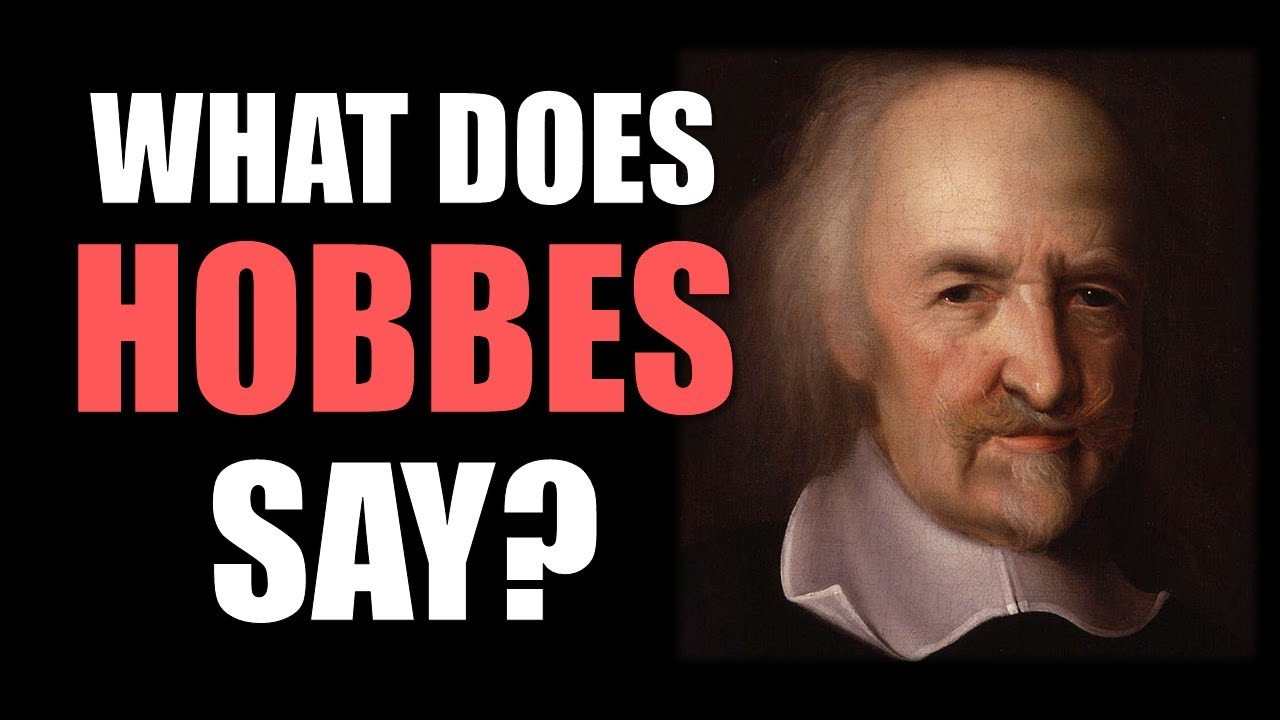
How did Hobbes view human nature?
We are inquisitive and industrious.
We are naturally selfish and quick to fight.
We are naturally ignorant
We are naturally kind and helpful to others
What did Jean-Jacques Rousseau believe about government?
some government control is necessary, but it should be kept to a minimum
the government should control all aspects of our lives
the government should be led by an absolute monarch

Who argued for freedom of speech and religion?
Thomas Jefferson
John Locke
Voltaire
Descartes
He argued that people accused of crimes had certain rights, and he advocated abolishing torture.
Locke
Voltaire
Wollstonecraft
Beccaria
Estate
Which of the following best describes the tax system in France before the revolution?
The Third Estate paid most of the taxes
The church paid the most amount of taxes
The French government did not collect taxes
The second Estate paid most of the taxes
What was the guillotine used for?
public executions
medical procedures
civil lawsuits
public education
A sudden seizure of political power in a nation:
lycee
concordat
coup d'etat
guillotine
When the Third Estate took the Tennis Court Oath (1789) at the start of the French Revolution, they were attempting to:
establish a military government
draft a new constitution
restore the king to power
overthrow the First Estate


The late 18th century artistic movement which focused on nature and thoughts/feelings of the individual
Stoicism
Romanticism
Humanism
Impressionism
The group at the top of the social class structure in Latin America
Peninsulares
mestizos
mulattoes
creoles
The leader who began the Venezuelan fight for independence
Toussaint L'Ouverture
Jose de San Martin
Simon Bolivar
Otto von Bismarck
Which 19th century ideology led to the unification of Germany and of Italy and to the eventual breakup of Austria-Hungary and of the Ottoman Empire?
imperialism
nationalism
liberalism
socialism
The policy used by the Romanovs to create a sense of unity among the diverse groups of people in Russia
Nationalism
Russification
iron and blood
Romanticism
What was the Industrial Revolution?
the great increased output of machine-made goods that began in England
the improvement of farming methods
the increase of hand made products in the cottage industry
the expansion of trade and business
The process of developing machine production of good.
Crop Rotation
Industrialization
Enclosure
Capitalism
In which country did the Industrial Revolution start?
Belgium
France
Russia
Britain
What was the most important source of power for the early Industrial Revolution?
The steam engine
Animals
The Windmill
The dynamo
What natural resources gave Britain an advantage in the Industrial Revolution?
Forests
Wildlife and precious gems
Coal and iron
Hills
After England, which nation was the first on the European continent to begin industrializing?
France
Germany
Belgium
Denmark
How did Germany’s industrialization impact it economically and politically by the late 1800s?
It was politically divided and economically isolated
It became financially strong and a military giant
Most technological industries were slowly growing
The economy was strong, but politically they were divided
How did many entrepreneurs raise funds to invest in their businesses?
Charitable contributions from successful tycoons
Fundraising using the state lottery system was common
Spend their family money
Sold shares of stock in their company

Capitalist or Socialist?
Capitalist
Socialist
_________ is famous for his creation of a communist ideology.
Abraham Lincoln
Karl Marx
Nicholas II
Donald Trump
Which president completed the Louisiana Purchase?
George Washington
Thomas Jefferson
John Adams
The belief that the U.S. had the right and the duty to rule North America from the Atlantic Ocean to the Pacific Ocean.
Manifest Destiny
Manray Destiny
Manfred Destiny
This led to the Trail of Tears
Tears Act
CARES Act
Indian Removal Act
The US annexation of Texas led to this
Spanish-American War
Mexican-American War
War of 1812
Which of the following was a major cause of the US Civil War?
blitzkrieg
Russian aggression
slavery
Who won the US Civil War?
North (Union)
South (Confederates)
West (Bone Thugs)
Separation of blacks and whites in the US South was known as
urbanization
industrialization
segregation
_______________ and ______________ played a major role in the postwar economy of the US
immigration, railroads
iPhones, TVs
Corn, Water
Thomas Edison was
a war hero
an inventor
the first president of the US
What was a result of Henry Ford's use of the assembly line?
cars were built at a much faster rate, which increased the supply and made them cheaper for consumers
cars were built at a slower rate
people stopped buying cars
Why was the work of Louis Pasteur important in the history of medicine?
He created psychoanalysis
He discovered radium and polonium
He found that bacteria caused diseases
Charles Darwin is known for his
theory of everything
theory of evolution
theory of the planets
The study of human minds and behavior is called
chemistry
math
psychology
One country taking over another economically, politically, and culturally.
Militarism
Imperialism
Protectorate
Resources
What considerations were made by the Europeans to the native Africans?
Many considerations - they were very considerate and kept the natives in mind
Some considerations - Europeans wanted the resources only
None - no considerations were made by the Europeans
The meeting of European leaders to decide how Africa would be split was known as the
Berlin Division
European Division
Africa Conference
Berlin Conference

What does this political cartoon represent?
Militarism
Imperialism
Protectorate
Resources
The Opium Wars between Great Britain and China led to Great Britain's annexation of
Beijing
Hong Kong
Taiwan
As a result of the Sino-Japanese War, Japan gained which of the followoing from China?
Hong Kong
Beijing
Taiwan
Concept Identifications (IDs)
Please address: who (who was involved), what (what it was), when (when it occurred), where (where it happened), and the significance (how has it impacted life today?) for the term in thre to four well written sentences. (Worth 5 points)
ID: Industrialization
Concept Identifications (IDs)
Please address: who (who was involved), what (what it was), when (when it occurred), where (where it happened), and the significance (how has it impacted life today?) for the term in thre to four well written sentences. (Worth 5 points)
ID: Nationalism
Concept Identifications (IDs)
Please address: who (who was involved), what (what it was), when (when it occurred), where (where it happened), and the significance (how has it impacted life today?) for the term in thre to four well written sentences. (Worth 5 points)
ID: Imperialism

