
 Worksheets
AP World Study Guide
Total questions: 117
Worksheet time: 59mins
Although India was fractured politically in this era, its people were unified by
Islam
Hinduism
socialism
a shared hatred of Mongols
monotheism
In the early 13th century, Islamic forces invaded northern India and set up the
Dehli Sultanate
Mamluk Sultanate
Persian Empire
new religion combining Hindu & Muslim beliefs
Vijayanagara Empire
People in India converted to Islam because
they were threatened with their lives
there was no existing dominant religion in India
for financial reasons or to escape the caste system
they wanted to visit Mecca
to appease their Mongol rulers
The Bhakti Movement
emphasized a personal relationship with Allah
occurred mainly in the Middle East
was a spiritual movement that emphasized connecting with one Hindu god
emphasized loyalty to your ruler
was an example of Buddhism influencing Hinduism
Empires such as the Khmer in Southeast Asia reflected the influence of
Hindu and Buddhist culture
trade with China
their Mongol rulers
the Dehli Sultanate
the Trans-Saharan trade
In the Americas, the Mississippian people were known for
human sacrifices
mound building
huge defensive walls
gold mining
technology such as the printing press
The main form of Mayan government was
democracy
totalitarianism
city-states
anarchy (no government)
oligarchy
The Mayans would best be described as
primitive hunter-gatherers
a class consisting of mainly warriors
innovative, especially in math and astronomy
strictly monotheistic
people who lived after the Aztecs and Incas
All of these are true of the Aztecs EXCEPT
they worshipped many gods (polytheism)
they worshipped one main God (monotheism)
their government was a theocracy (rule by religious laws)
they included human sacrifices in their ceremonies
they built huge pyramids and temples to their gods
Animism was a common factor in the Inca and other Native American tribes. This means
humans must be killed to appease the gods
they believe there is no afterlife
elements in the physical world have supernatural powers
men could take multiple wives
they were nomadic
Kin-based networks formed in Sub-Saharan Africa, which are based on
trade
families
slavery
religion
monotheism
The Hausa Kingdoms, which were loosely connected through kinship ties, benefited from the
Indian Ocean trade network
Crusades
trans-Saharan trade routes
Silk Roads
Zanj Rebellion
All of these are true about the Mali Empire EXCEPT
grew wealthy mining gold
achieved its peak under Mansa Musa
was mainly Islamic
wealth was based mainly on the ivory trade
included Timbuktu, which housed great universities
The Great Zimbabwe was
the king of Zimbabwe
the river, which was worshipped by the people
the main god worshipped by the people
a huge wall constructed for defense
the main trade route in West Africa
Griots were important because they
held all the cultural knowledge and history of their people
provided safe transportation for traders
used as weapons in combat
were slaves used for specialized jobs
decided when city-states would go to war
Which country/region was doing the "best" during the 1200s?
Song Dynasty China
Medieval Europe
The Dar -Al -Islam
Sub Saharan Africa
What is synonymous with the word Serf?
Friend
Criminal
Slave
Horse
Which is NOT a school of Buddhism?
Theravada
Mahayana
Vajrayana
Bathahana
What was the name of the large kingdom in Modern day Cambodia during this period?
Angkor Wat
Suthani
Majapahut
Rajput Kingdom
Which religion blends concepts of Islam and Hinduism?
Mormonism
Sikhism
Zoroastrianism
Shinto
If you wanted to raise your social status in China during this period what would you have to do?
Score high on a standardized test like the SAT of their day
Be best friends with the Emperor and his concubines
Make a ton of money trading
Bring Champa Rice from India
What is Porcelain typically used for?
Starting fires
Dishes
Clothing
Perfume
What is it called when you carve a mountain into flat layers to grow rice on the mountain?
Terracing
Sub Dividing
Side Splitting
Champa Fields
What is the primary value of Confucianism?
Filial piety
Respecting Women
Paying taxes
Bureaucratic Organization
What did both Japan and Korea take from Chinese culture during this period?
The Chinese written language
Chinese styles of Dance
Chinese food delicacies
Chinese sailing technology
Which Empire was NOT in modern day India?
Vijayanagra
Rajput
Srivijaya
Delhi
Who were in charge of Egypt during this period?
Arabs
Turks
Mamluks
Mongols
During this period: Which Society knew the most about Science and Technology?
European
Chinese
Indian
Islamic World
Which American early civilization built a city in Colorado?
Mexica
Cahokia
Mesa Verde
Inca
Which African Country was Christian at this time?
Ethiopia
Hausa Kingdoms
Zimbabwea
Mali
The Crusades led to Europeans
converting to Islam
embracing Confucian ideas
demand for exotic and luxury products from the East
exploring the Atlantic for new trade partners
controlling the entire Middle East
All of these terms refer to innovations in sea travel EXCEPT
astrolabe
caravanserai
magnetic compass
stern rudder
Chinese junk
Kashgar and Samarkand were important because
they were cities along the Silk Road
they were Mongol rulers
they were products found only in the Spice Islands
they were islands along the Indian Ocean trade routes
they founded the Mali Empire in West Africa
In general, the time period from 1200 to 1450 saw
decreased trade due to disease and wars
no discernible change in trade
increased trade due to more demand for products
decreased trade due to unsafe trade routes
more trade in Africa but less in Asia
This innovation allowed merchants to deposit funds at one location and withdraw them at another
the Hanseatic League
caravanserai
astrolabe
flying cash
credit unions
The Mongols initially moved away from their ancestral lands in Central Asia because
it was invaded by China
it became overcrowded
the climate grew warmer and drier
the Little Ice Age began
they wanted to participate in the Indian Ocean trade
Temujin became known as Genghis Khan when he
successfully conquered Japan
united all Mongol tribes under his rule
completed the Great Wall of China
converted to Islam
destroyed the Chinese capital city
In terms of trade, Mongol rule was
helpful since they provided safety for traders along the routes
not a factor
helpful because they built all new trade roads
negative since more raiders and pirates emerged
negative since most trade was outlawed by the Mongol rulers
The Golden Horde was the Mongol army that
surrendered to the Chinese Ming leaders
traveled the Americas and met the Aztecs
destroyed the Silk Roads
conquered most of Russia and parts of Europe
was lost attempting to cross the Himalayan Mountains
Kublai Khan
was not related to Genghis Khan
conquered China and set up the Yuan Dynasty
tried and failed to conquer China
overthrew Genghis Khan, who was his father
led a fleet of over 300 ships around the known world
Calicut and Cambay were examples of
Mongol rulers
East African city-states
trade cities in South Asia
merchant vessels used for hauling cargo
islands known for spice production
All of these combinations are correct EXCEPT
Malaysia & Indonesia--spices
East Africa--gold, ivory, slaves
China--silk, porcelain
India--fabrics and carpets
Southeast Asia--corn, slaves
Monsoon winds
were not a factor for merchants
determined where and when merchants could travel
led to the spread of Buddhism in East Africa
kept the Mongols from invading Africa
made trade on the Indian Ocean impossible
All of these were reasons for expanded Indian Ocean trade EXCEPT
new tools such as the astrolabe
triangular sails
growing demand for exotic products
larger ships such as the Chinese junk
less trade on land routes due to Mongol interference
Zheng He
only completed one voyage before his death
was honored as a hero by the Ming rulers
commanded a huge fleet and traveled around the known world
was a port city known for trade
was the last Mongol ruler
The empire that benefitted most from the Trans-Saharan trade routes was
Mongol
Chinese
Indian
Mali
Malacca
The animal best suited for cross-desert travel was the
elephant
camel
horse
llama
ox
Timbuktu was the Mali city that became known for
ivory production
Champa rice
Islamic learning
Jewish settlements
spice production
Sundiata was
the founder of Islam
the founder of Mali
a city in East Africa
a slave trade hub in the Middle East
Mansa Musa's real name
Which statement is the best description of this time period?
wars kept trade from flourishing
the international economy was harmed by the Mongol takeover
trade flourished as demand for new goods increased
people found it impossible to traverse long distances
Europe was the dominant force in the global economy

Number 1 region on the AP World map is?
North America
South America
USA
Latin America

Number 2 region on the AP World map is....
North America
Asia
South America
Latin America

Number 3 region on the AP World map is...
West Africa
Central Asia
East Africa
South Asia

Number 4 region on the AP World map is....
South Asia
the Caribbean
East Africa
Southern Africa

Number 5 region on the AP World map is....
America
Mexico
the Caribbean
Oceania

Number 6 region on the AP World map is...
Oceania
Caribbean
Middle East
Southeast Asia

Number 7 region on the AP World map is...
West Africa
Central Africa
Middle East
South Asia

Number 8 region on the AP World map is...
Mexico
Central America
Central Africa
West Africa

Number 9 region on the AP World map is...
North America
North Asia
North Africa
Europe

Number 10 region on the AP World map is...
North America
Middle East
South Asia
Oceania

Number 11 region on the AP World map is...
Europe
Middle East
North America
Mexico

Number 12 region on the AP World map is...
Central Africa
Central Asia
Middle East
East Asia

Number 13 region on the AP World map is...
North America
South Asia
East Asia
Middle East

Number 14 region on the AP World map is...
Central Asia
Middle East
North Africa
South Asia

Number 15 region on the AP World map is...
East Asia
Southeast Asia
South Asia
Oceania

Number 16 region on the AP World map is...
Southeast Asia
Oceania
South Asia
South America

Industrialism in Egypt differed from Industrialism in England in that
It was driven more by the state then independent capitalists
It was driven more by independent capitalists than the state
In did not involve foreign intervention
Machines were adapted much less in production

Adam Smith in The Wealth of Nations describes
Utopian Communist communities
Democratic Republicanism
Laissez Faire Economics
Mercantilism as an ideal economic system
Toussant L'Ouverture
was a member of the Committee of Public Safety under Robespierre
rose to the rank of General under Napoleon
was a complete revolutionary failure
helped free slaves in Haiti

Bolivar envisioned
a Grand Columbia united all the liberate South American states
a united Portugal and Spain
a Spanish takeover of Portuguese Brazil
a loosely knit confederation of South American States
Mexico was liberated from
the United States
the Spanish
the Portuguese
the Spanish and later (after a brief take over) the French
The following is associated with the view of the Philosophes
man is created good
there should be no capital punishment
freedom of speech but not the press
all of the above
Industrialism leads to
rapid rural population expansion
an increase of power in landed investors
a shift in the measure of wealth
an demand for skilled craftsmen
Mary Wollstonecraft is associated with
the Industrial Revolution
the Enlightenment
the French Revolution
none of these
Italian unification had as its architect
Bismarck coupled with opportunity
Louis Napoleon Bonaparte
Giuseppe Mazzini
Count Cavour together with the support of Garibaldi

Who best represents a reasoned defense of monarchy
John Locke
Jean Jacques Rousseau
Thomas Hobbes
Rene Descartes
Jean Jacques Dessalines is best know for
his driving French forces from Haiti
his leadership in Latin America
creating the first commercial steam engine
as a Philosophe
Luddites
agitated for better wages for factory workers
were Utopian Socialist
adapted Marxism
hated machines

Under the Tokugawa Japan was
a major trading nation
rapidly industrializing
bankrupt
isolated

Commander Perry is connected to
the opening of Japan for trade
the attack on China during the Opium wars
Russia's rapid growth as a power
the defeat of the Napoleon

Russia's industrial process can best be described as
evolving organically by Russian middle class investors
directed by outside colonial powers
rapid because of the maintenance of serfdom
directed by the state through ministers like Sergei Witte
Socialism believes
that the means of production should be communally owned
that the move to a communal society is inevitable
that land should be the measure of wealth
that poverty will always exit
Classical Liberals believe
all of these
that the economy is a natural process
that population will always grow faster than food supply
that poverty will always exit in some form
A 19th century Conservative believes in
money as a measure of wealth
that there should me no attempt to help the poor
the status quo
in an eventual social revolution of the proletariat
Most 19th century liberals were likely
middle class
working class
upper class
peasants

Which of the following revolutions was impacted by Napoleon Bonaparte
French
Haitian
Latin American
All of these
The Increased food production accompanying the introduction of Champa rice into China from Vietnam during the 11th century best illustrates which of the following?
The stimulation of agriculture by technological innovation
The reliance of China on food imports
The importance of Vietnam to the world economy
The influence of China on neighboring societies
Which of the following statements is an accurate comparison of the Ottoman, Russian, and Qing Empires in the late nineteenth and early twentieth centuries?
Prior to their collapse, each of the empires attempted a series of Western-style reforms, but the ruling elites eventually failed to support the needed changes.
These land based empires collapsed due to a variety of internal and external factors, including WWI, failure to modernize and revolution
The Ottoman and Russian Empires survived because of the adoption of some Western-style reforms while the Qing failed because it refused to alter centuries of Chinese tradition.
The Ottoman Empire and Qing dynasty both lost territory to aggressive European powers while Russia, acting as an aggressor, expanded its empire during this time.
Improved wartime technology during World War I led to
Smaller nations becoming part of larger nations after the war
A smaller number of refugees during the war
Increased casualties in battles fought during the war
A slowdown in transportation improvements after the war
“At school the teachers say it is our patriotic duty to stop using foreign words. I didn’t know what they meant by this at first, but now I see it—you must no longer say ‘adieu’ [‘farewell’] because that is French. It is in order to say ‘lebwohl’ [‘farewell’ in German] instead. We also have a little tin box in which we’ll put some small change in every time we slip up and use a foreign word. The contents of this little war savings box will go towards buying knitting wool. We must now knit woollen things for the soldiers.”
Diary of a twelve-year old German girl, August 1914
The passage above best exemplifies which of the following processes shortly after the outbreak of the First World War?
The increasingly authoritarian methods used by European teachers
The strengthening of nationalist sentiment throughout Europe
The emergence of a pan-European antiwar movement
The key role European women played in sustaining the war effort

1. Which of the following best describes the 1936 lithograph (entitled The Hero) by German artist George Grosz?
A propaganda poster prepared by the Nazi Party
A protest poster against the atrocities of the atomic bomb
A representation of a Holocaust victim
A post-First World War print expressing antiwar sentiment
The mobilization of state resources during World War II:
Occurred in fascist, democratic, and totalitarian states
Occurred in only fascist states like Germany and Italy through corporate/labor cooperation
Occurred in only colonies of imperial powers in order to better serve their rulers
Occurred in only countries that were lead by powerful dictators like Stalin, Hitler, and Mussolini
Which of the following is NOT one of the extreme beliefs that people turned to during the low period of economic activity?
Totalitarianism
Fascism
Mercantialism
Ultra-nationalism
Which of the following is NOT one of the reasons why so many people died during World War II?
Weapons became much more deadly such as tanks, airplanes, and the atomic bomb.
Deadly trench warfare
Total War tactics
The bombing of enemy cities with bombs dropped from airplanes
Which of the following was NOT one of the decisions made at the Potsdam Conference?
Truman demands free elections in Eastern Europe, Stalin says no
Germany will be unified again which ends the Cold War
Truman and Churchill become untrusting of Stalin and the Soviet Union beginning the Cold War
Nazi officials will be arrested and placed on trial for crimes against humanity
Stalin was most successful in:
Industrializing the Soviet Union
Expanding access to consumer goods
Extending suffrage to a majority of the population
Improving higher education possibilities for both men and women
It could be said that World War II began in Asia in 1931
when which nation invaded Manchuria?
(a)

Which country had the largest sphere of influence in Latin America during the Age of Imperialism?
United States
Spain
Mexico
England

Select ALL of the following tactics used in the Scramble for Africa.
Racially segregated concentration camps
European diplomacy through the Berlin Conference
Militarization of European troops
Equal opportunity trading alliances with local leaders

What was Japan's response to foreign interference in the nineteenth century?
Adapt to Western politics and culture (Meiji Restoration)
Isolate themselves further by resisting and fighting
Became allies with the Chinese to become the dominant power in the region
Adapt to the ideas of the islanders and tribal people to resist

Why, in the time period c. 1750-1900, did European states fight to acquire overseas colonies?
To acquire raw materials to fuel their industrialization
To spread Enlightenment ideas
To abolish slavery worldwide
To stop the spread of Islam throughout the world

Which company took over other European states colonies in India?
British East India Company
British West India Company
Dutch East India Company
French East India Company

Why did European powers divide Africa by diplomatic agreements between each other?
Fear of going to war because of fierce competition
Rapid population increase in European colonies in Asia
Atlantic revolutions lead Europeans states to seek new troops
Creation of transnational business fostered exchange of raw materials
Select all of the countries who dominated others through Imperialism
Britain
Japan
China
United States
India
At what conference did the Europeans divide up Africa for their colonization?
Egypt Conference
London Conference
Belgium Conference
Berlin Conference
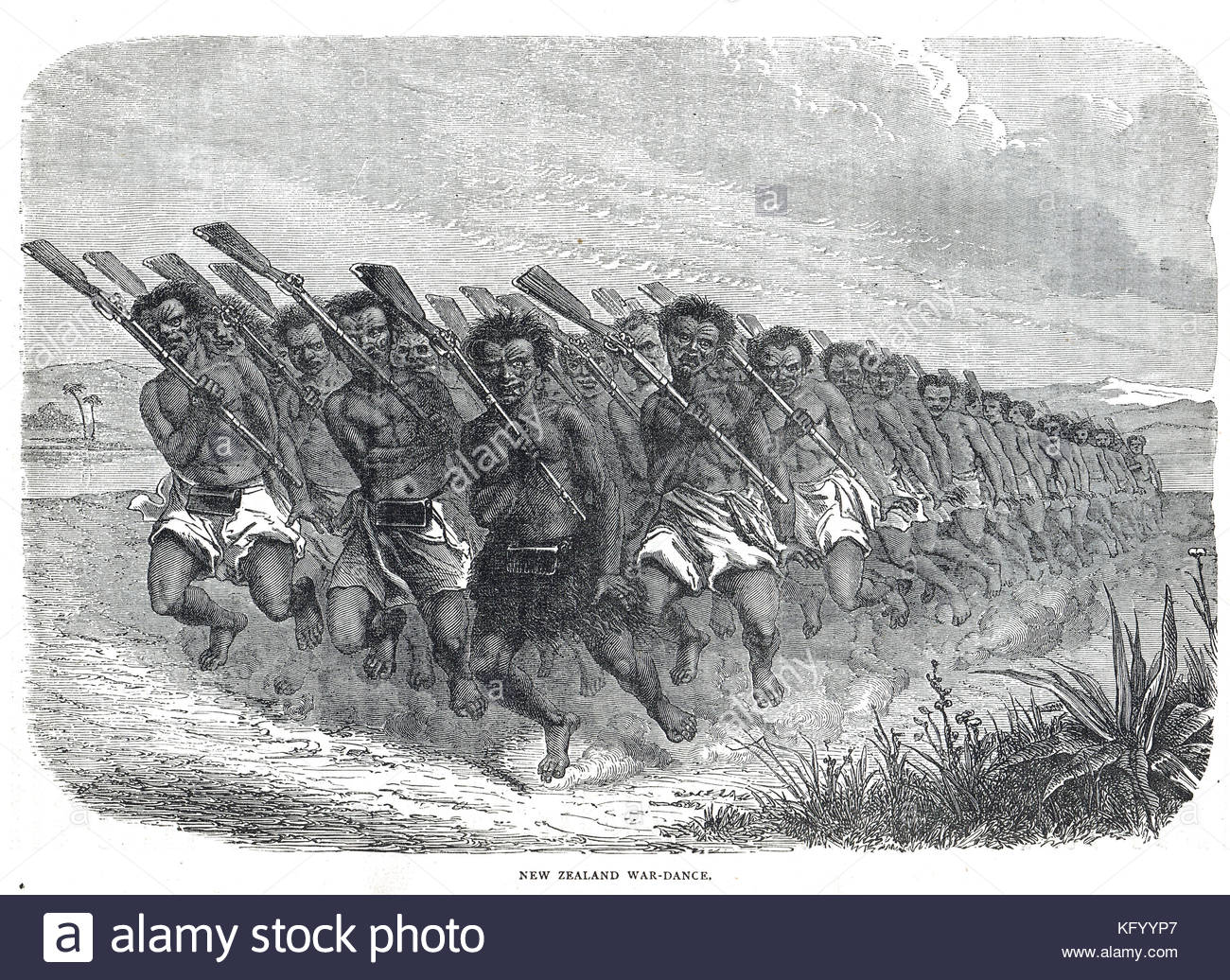
These Maori are going to war in
Australia
Indonesia
Kenya
New Zealand
France was most active in empire buiding in
North Africa
South Africa
China
The East Indies
The Monroe Doctrine
supported US Imperial ambitions
supported the British control of India
solved the "Scramble for Africa" issue
made the Opium Wars worse
Imperialism is
ONLY economic control over peoples
ONLY political control over peoples
Policy or ideology of extending the rule over peoples and other countries
Why were European countries imperializing? (Choose 2).
Economic gain
A way to learn about other cultures
To befriend people different from themselves
Access to raw materials
How did state power shift in the modern era
settler colonies were established in New Zealand, South Africa, and America
European states expanded empires (French in West Africa, Belgium in the Congo, Britain in West Africa)
some states with existing colonies strengthened their control over those colonies
European states used both warfare and diplomacy to expand their empires
The US, Russia, and China expanded their land holdings by conquering and settling neighboring territories
The Monroe Doctrine
supported US Imperial ambitions
supported the British control of India
solved the "Scramble for Africa" issue
made the Opium Wars worse

What did imperial powers sometimes try to impose on the natives they controlled?
European national identity
Resource native to Europe
Marxist ideas from Germany
European social hierarchy

