Wayground logo

Free Printable Worksheets

Font size

S
M
L
XL
Worksheets

Developing Fingerprints

Total questions: 24

Worksheet time: 12mins

Name
Class
Date
1.
Which of the following is not a form of latent print development?
a)
Ninhydrin
b)
Iodine
c)
Luminol
d)
Silver Nitrate
2.
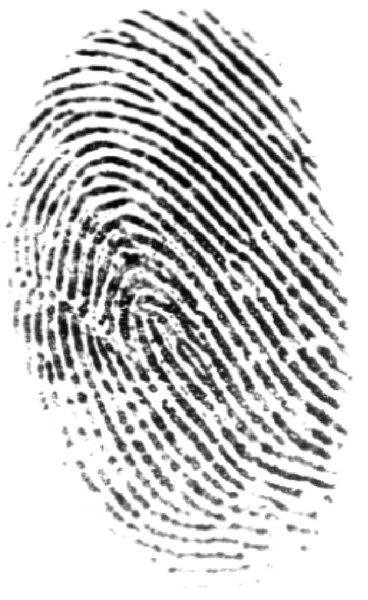
What type of fingerprint is this? It is made in a soft medium.
a)
plastic
b)
patent
c)
latent
d)
visible
3.

A fingerprint not seen with the naked eye

a)

Powdered

b)

Plastic

c)

Latent

d)

Patent

4.

The most common form of developing latent prints

a)

Dusting

b)

Silver Nitrate

c)

Ninhydrin

d)

Black light

5.
Which location would NOT be a good place to look for a latent print?
a)
A window
b)
A door handle
c)
A murder weapon
d)
the air
6.
Which of the following types of fingerprints are more likely to be found impressed in soft wax? 
a)
visible
b)
latent
c)
hidden 
d)
plastic
7.
Which type of fingerprint cannot be seen  the naked eye?
a)
patent fingerprint
b)
latent fingerprint
c)
visible fingerprint
d)
plastic fing
8.

Type of fingerprint that is left by a person with soiled or stained fingertips

a)

Plastic

b)

Patent

c)

Latent

9.
This technique is best used on paper. It reacts to amino acids in the print to create a pink print
a)
Ninhydrine
b)
Silver Nitrate
c)
Superglue Fuming
d)
Iodine
10.

The most common form of developing latent prints

a)

Dusting

b)

Silver Nitrate

c)

Ninhydrin

d)

Black light

11.

Which chemical treatment Invented by the Japanese produces a white-appearing latent print when you place an object in a chamber and heat up this substance.

a)

Iodine

b)

Ninhydrine

c)

superglue

d)

Black powder

12.

Which chemical technique shown produces only a temporary orange print using vapors because it sublimes at room temperature.

a)

Iodine

b)

superglue fuming

c)

dusting

d)

minuatie

13.

Which technique uses Super Glue vapors?

a)

Vacuum metal deposition

b)

Cyanoacrylate ester

c)

Polyvinylsiloxane (PVS)

d)

Small particle reagent (SPR)

14.

Which chemical produces a brown to orange print that should be photographed because it fades?

a)

Cyanoacrylate

b)

Ninhydrin

c)

Iodine

d)

Silver Nitrate

15.
What is the evolutionary purpose of fingerprints?
a)
for identity
b)
there is no purpose
c)
to help grasp objects
d)
the ridges protect your fingers
16.
On which of these surfaces could a fingerprint be recovered with superglue fuming?
a)
glass
b)
clothing
c)
paper
d)
brick
17.

What is a basic technique that uses a filament brush?

a)

Magnetic powder

b)

Amido black

c)

Polyvinylsiloxane

d)

Standard black powder

18.
When are fingerprints formed?
a)
When you are a teenager
b)
During fetal development
c)
By the time you are two years old
d)
At birth
19.

Which technique is helpful for developing fingerprints made in blood?

a)

Fluorescent powder

b)

Standard black powder

c)

Amino black

d)

Ninhydrin

20.

Which technique binds with amino acids to make a purple-colored print on paper or cardboard surfaces?

a)

Iodine fuming

b)

Gentian violet

c)

Ninhydrin

d)

Amido black

21.

Which technique develops purple prints from adhesive surfaces?

a)

Gentian violet

b)

Silver nitrate

c)

Amido black

d)

Ninhydrin

22.
What pattern is this?
a)
Loop
b)
Arch
c)
Whorl
23.
Name this minutiae type
a)
Delta
b)
Core
c)
Bifurcation (fork) 
d)
Hook (spur)
24.

computerized system capable of reading, classifying, matching, and storing fingerprints

a)

PBIS

b)

ABIS

c)

AFIS

d)

FBI Crime Lab