
NEW
Font size
 Worksheets
Weathering, Erosion, & Soil Review
Total questions: 50
Worksheet time: 36mins

Soil particles from largest to smallest.
Gravel, Sand, Silt, Clay
Silt, Sand, Gravel, Clay
Clay, Gravel, Silt, Sand
Gravel, Clay, Sand, Silt
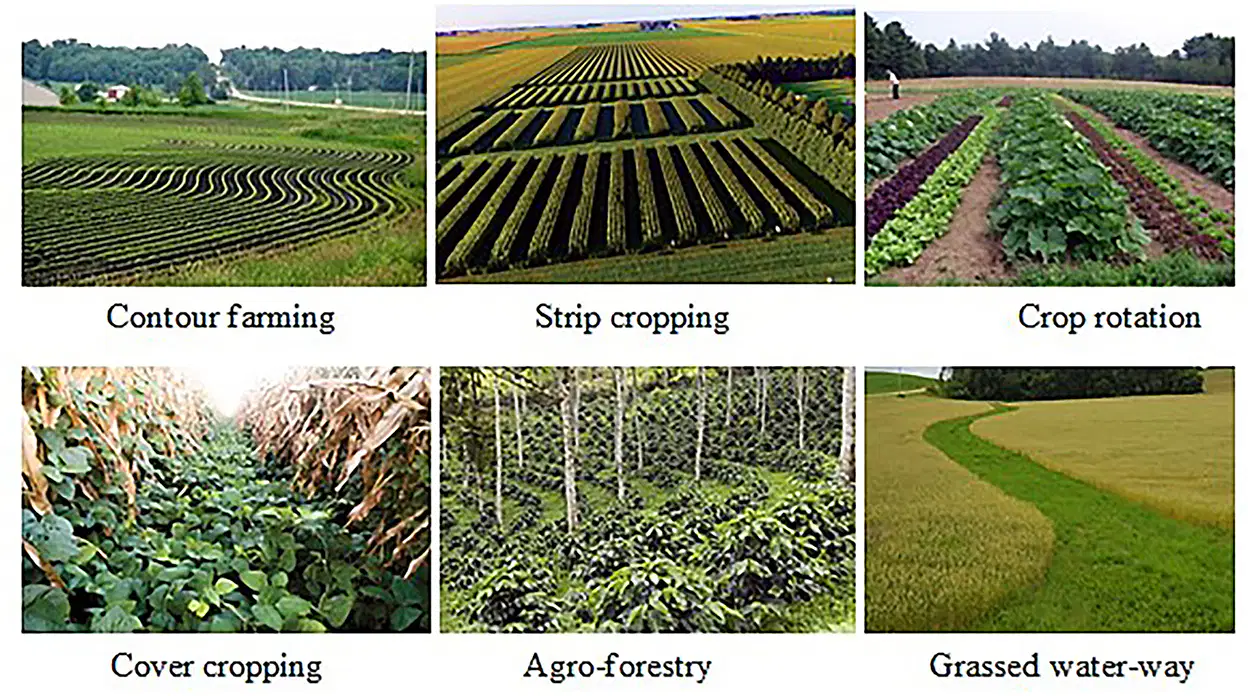
Protecting soil from erosion by contour farming, using trees as wind breaks, & planting cover crops .
Soil Conversations
Soil Conservation
Soil Salinity
Soil Restoration

Which force of erosion primarily creates and moves sand dunes.
Wind
Rivers
Glaciers
Gravity
What is the process where rocks are broken down?
Weathering
Erosion
Deposition
Glaciation
Which factor(s) cause weathering?
Water
Waves
Wind
Gravity
All of the above

Which weathering has water freeze in the cracks and wedges it apart because water expands when it freezes?
Frost Wedging (Freeze thaw)
Abrasion
Plant root growth
Exfoliation
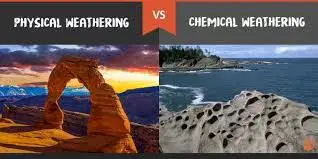
Which type of weathering changes the composition of rocks as they are broken down by water, oxygen, or acids?
Abrasion
Physical weathering
Chemical weathering
Mechanical weathering
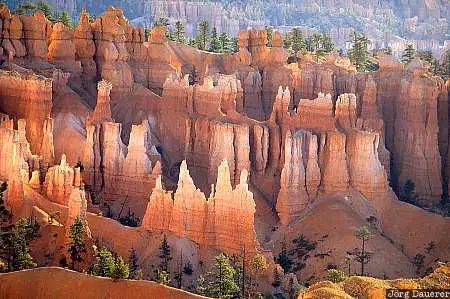
Oxidation forms ___ when iron is exposed to oxygen
Water
Carbon
Rust
Bubbles
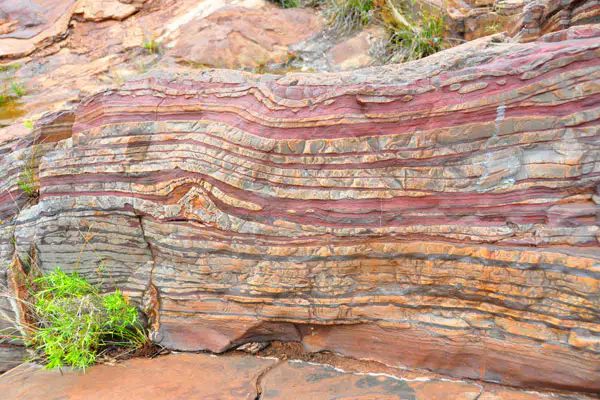
What does the oxidation of 3 Billion-year-old rock layers indicate about Earth's ancient atmosphere?
Life did not exist
Carbon Dioxide was present
The climate was hotter & wetter
Oxygen was present
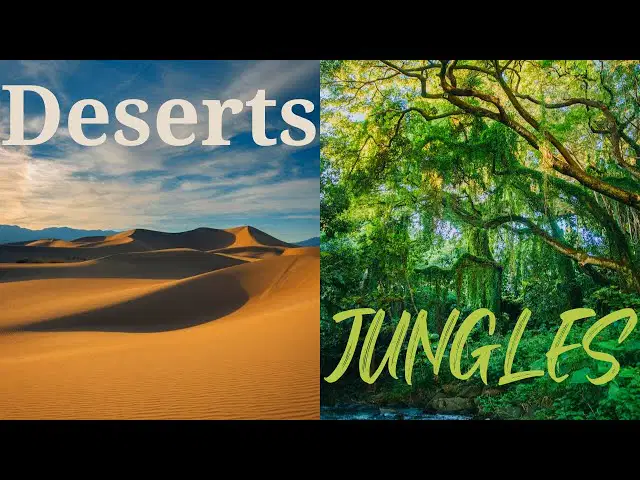
Weathering rates are faster in _____ climates.
Warm and dry
Dry and Cold
Warm and wet
Dry and wet

In streams and rivers, which will NOT cause severe erosion?
Steep gradient
High velocity
Low velocity
Large discharge
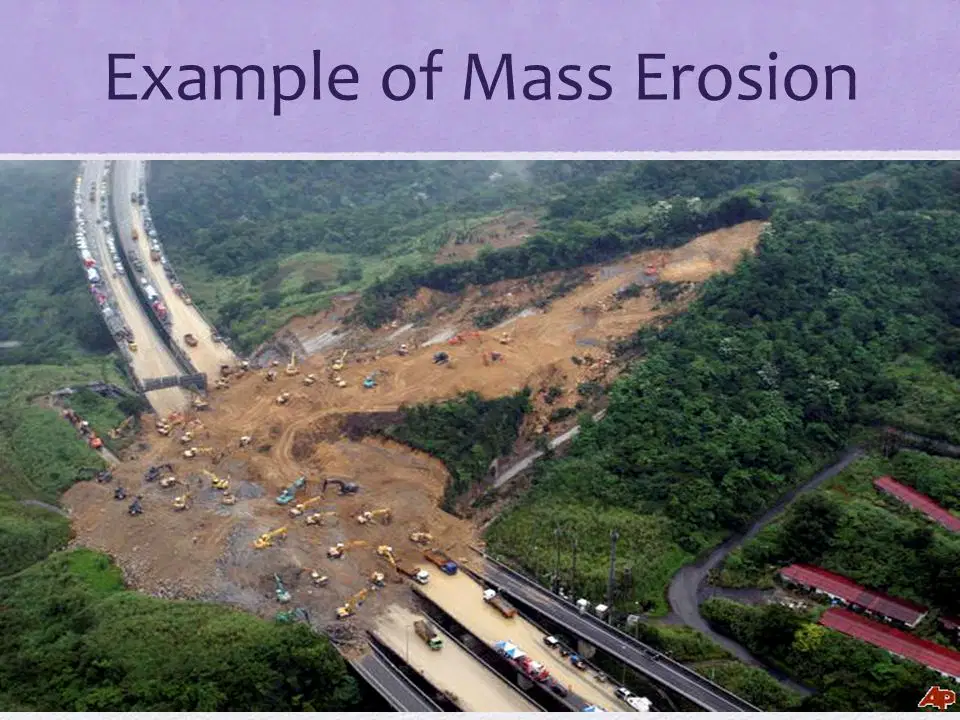
Landslides, mudflows, and rock slides are likely to be triggered by:
Steep slopes
Heavy rainfall
Earthquakes
All of these factors


The layer of soil which the topsoil is found.
Horizon A
Horizon B
Horizon C
Horizon D or R

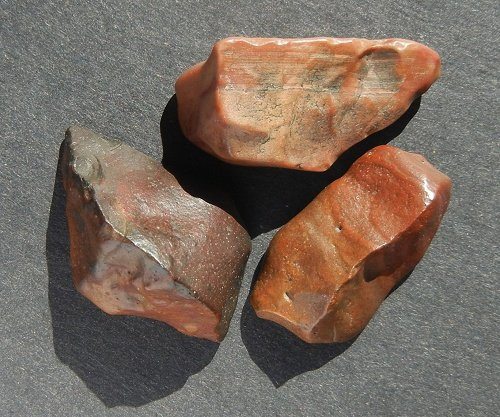
A rock containing iron is soft, crumbly, reddish in color. It's been chemically weathered by__.
Carbon Dioxide
Oxygen
Nitrogen
Sulfur


Which of the following actions causes the deposition of sand at a delta?
river water slowing as it enters the ocean
salt water & fresh water mixing together
ocean waves transporting sand toward land
ocean water slowing as it reaches the coast
Which method is NOT used to help prevent erosion?
Planting vegetation
Using retention ponds
Contour plowing and terracing
Planting trees to break the wind

When sediment is dropped off or put down in a new location it builds the land up and it is called....
deposition
weathering
erosion

A rock falling and breaking into smaller pieces is mechanical or chemical weathering?
mechanical weathering
chemical weathering

Limestone reacting/dissolving in acid is mechanical or chemical weathering?
mechanical weathering
chemical weathering

A sidewalk breaking due to tree roots is _______ weathering?
physical/mechanical
chemical
hydraulic
oxidation

The parent material of soil is...
limestone
bedrock
oxygen
fertilizer

Which 2 agents of erosion causes landslides and mudflows?
wind and waves
waves and glaciers
glaciers and wind
gravity and increased rainfall

Which layer in a soil profile would be most affected by weathering & erosion
C horizon
B horizon
R horizon
A horizon

A triangular shaped area of deposition at the base of a mountain is known as a/an:
Flood Plain
Delta
Valley
Alluvial fan
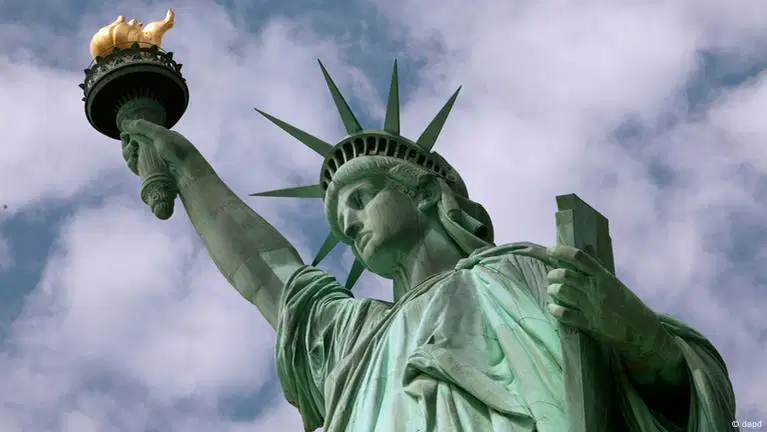
The copper in the Statue of liberty turning green is an example of:
oxidation
hydrolysis
acid rain
abrasion

When wind picks up sand and sandblasts an arch into a rock it is:
carbonation
abrasion
hydrolysis
frost wedging

When mosses and lichen produce acids to break down a rock, it is:
Chemical weathering
Physical/mechanical weathering

Which is NOT an area of deposition formed by a river?
Delta
Alluvial fan
Point bar (inside of curve/meander)
Cut bank (outside of curve/meander)

When chemicals and nutrients are removed as the water passes from the upper soil horizons to the lower soil horizons, it is known as:
Deposition
Leaching
Infiltration
Accretion

An underground layer of permeable rock, sediment, or soil that stores water is call a(n) __________.
cave
divide
aquifer
well

An aquifer contains _____ which can be extracted for use.
groundwater
storm water
surface water
wastewater

The diagram below shows a cross section of land. Numbers show four zones in this diagram.
Which set of labels below accurately identifies the zones that are shown?
1—groundwater zone; 2—unsaturated zone; 3—water table; 4—surface water
1—unsaturated zone; 2—surface water; 3—groundwater zone; 4—water table
1—water table; 2—surface water; 3—groundwater zone; 4—unsaturated zone
1—unsaturated zone; 2—groundwater zone; 3—water table; 4—surface water

What water cycle process is found at #6?
Evaporation
Runoff
Infiltration
Precipitation
Huge amount of concrete: Does this increase runoff or infiltration?
Runoff
Infiltration

The underground zone that is partly filled with water and partly filled with air is called...
Zone of Aeration
Zone of Saturation
Water Table

The underground zone that is completely filled with water is called...
Zone of Aeration
Zone of Saturation
Water Table

The water table separates the....
Surface from the Zone of Aeration
Surface from the Zone of Saturation
Zone of Saturation and the impermeable rock
Zone of Aeration and Zone of Saturation
The amount of space between particles that make up a rock determines a rock's _____________.
porosity
tributary
delta
sponge


What else could happen here?

