
 Worksheets
Rock Cycle and Rocks - Unit Review
Total questions: 57
Worksheet time: 57mins


The process by which metamorphic rock changes to igneous rock begins with
melting
erosion
deposition
crystallization
Name of the impression of a plant or animal, in the soil, that existed in the past
diamond
hardness
fossil


What must happen to a metamorphic rock before it becomes a sedimentary rock rock?
It must be broken down into sediment
It must be melted into magma
Its minerals must dissolve in water
It must be exposed to high temperature and pressure

Layers in sedimentary rocks are known as __.
bedding
foliations
no name, just layers
there are no layers in sedimentary rocks
Metamorphic rocks can form straight from sediment.
True
False
Metamorphic rocks that don't fully melt when touching magma go through ___.
regional metamorphism
contact metamorphism
crystallization
lithification
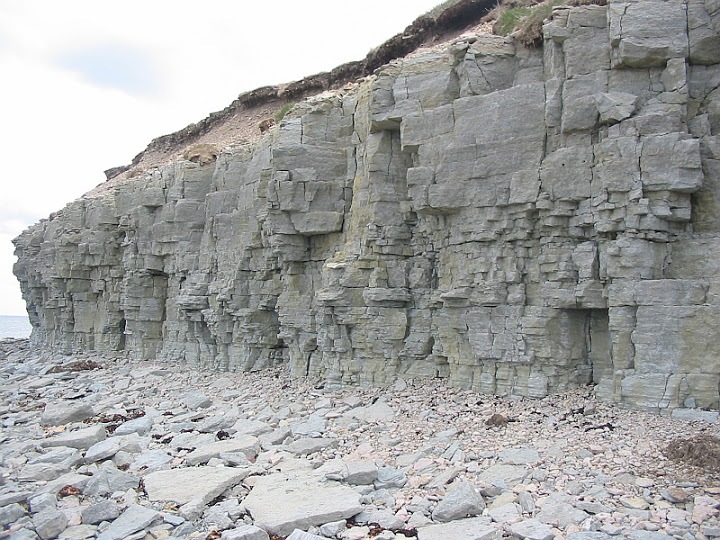
What factors can lead to the formation of a sedimentary rock?
evaporation and precipitation
melting and solidification
extreme heat and pressure

Describe the texture of breccia.
vesicular
clastic
crystalline
bioclastic
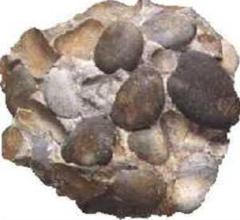
Which of the following is a land-derived sedimentary rock?
rock gypsum
limestone
gabbro
conglomerate
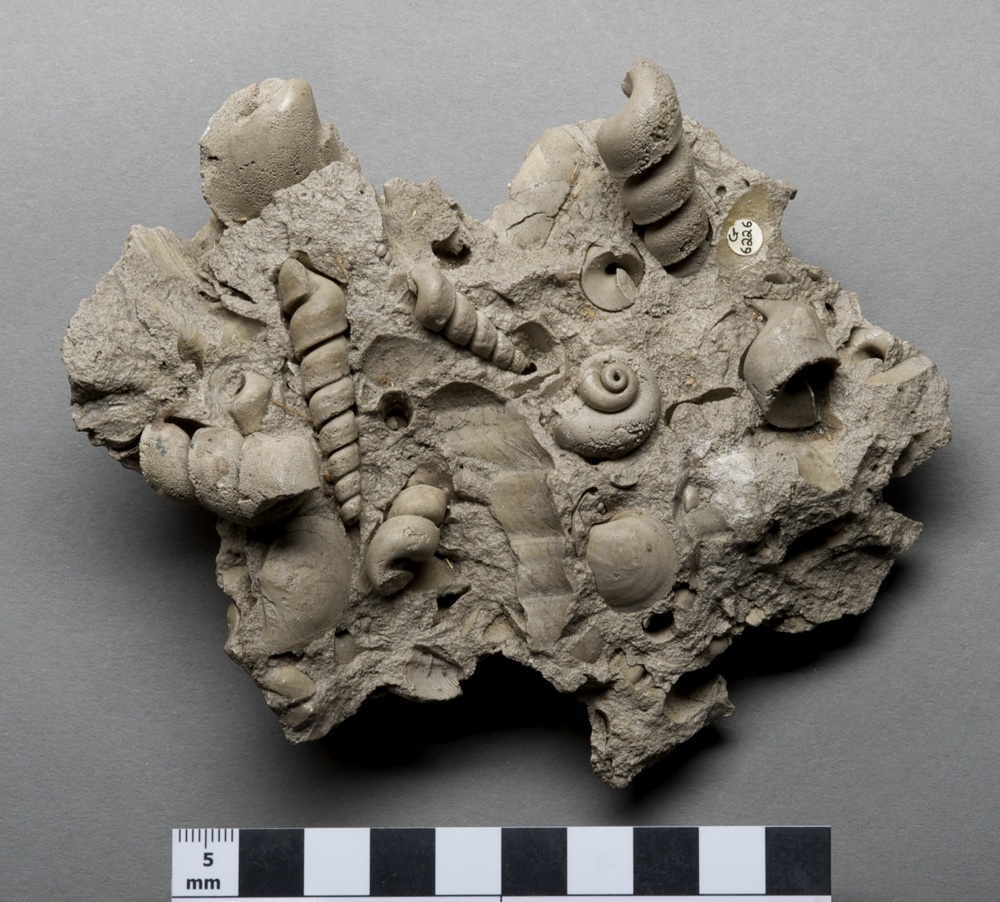
Describe the texture of limestone.
bioclastic
clastic
vesicular
glassy
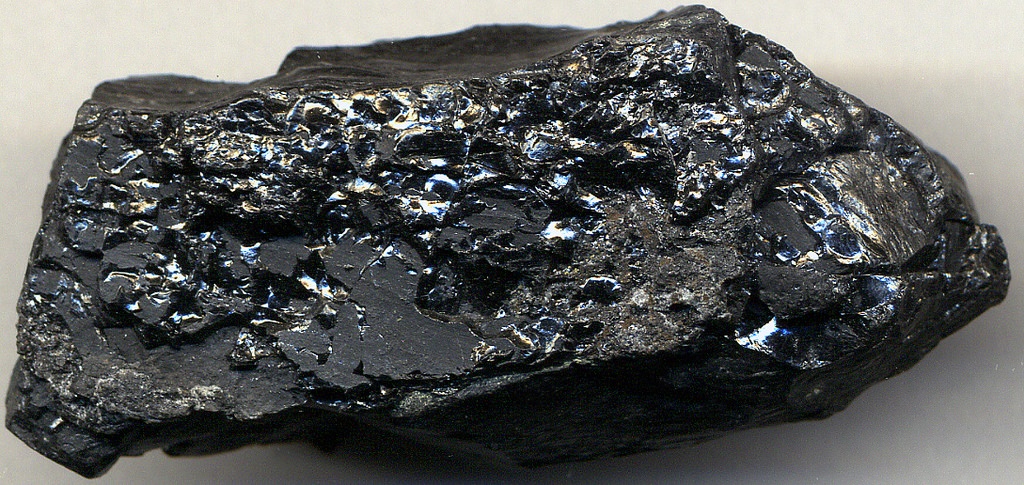
Which of the following is an organically formed sedimentary rock?
obsidian
coal
siltstone
shale
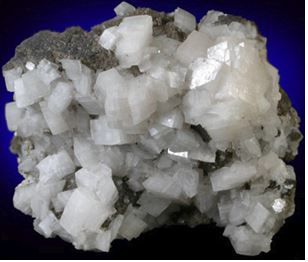
Describe the texture of dolostone.
clastic
bioclastic
glassy
crystalline
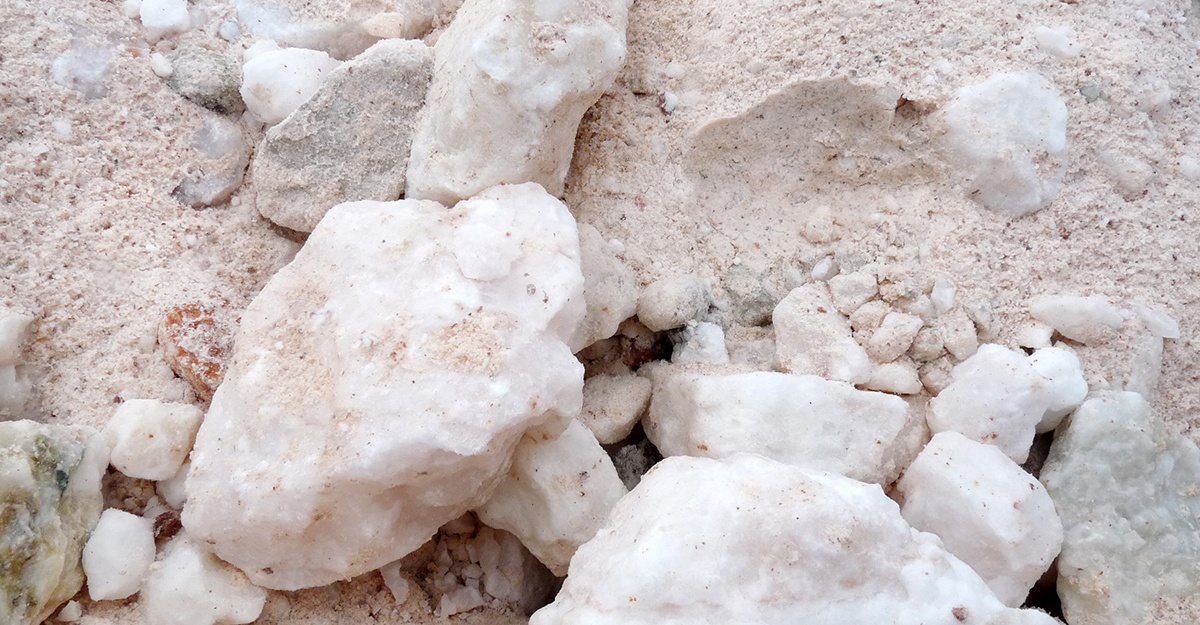
Describe the method of lithification for rock gypsum?
melting and solidification
extreme heat and pressure
compaction and cementation
evaporation and precipitation

Where is magma located?
above ground
below ground
in the stratosphere
in the thermosphere

Describe the texture of the following igneous rock.
smooth
coarse
vesicular
glassy

Describe the texture of the following igneous rock.
glassy
rough
vesicular
coarse

Describe the texture of the following igneous rock (grain size 1-10 mm).
vesicular
glassy
fine
coarse

Describe the texture of the following igneous rock (grain size < 1mm).
glassy
fine
coarse
vesicular

Describe the mineral composition of the following igneous rock.
felsic
mafic

Describe the mineral composition of the following igneous rock.
felsic
mafic

Describe the environment of formation for the following igneous rock (grain size > 10 mm).
intrusive
extrusive

Describe the environment of formation for the following igneous rock.
intrusive
extrusive
Which rock has never melted, but was produced by great heat and pressure, which distorted and rearranged its minerals?
siltstone
breccia
pegmatite
metaconglomerate

The photograph shows the texture of a rock composed of various minerals as seen through a microscope. Which rock is most likely shown above?
sandstone
anthracite coal
dunite
schist

The cross section represents a portion of Earth's crust. Letters A through D are locations within the rock units. At which location is quartzite most likely found?
A
B
C
D
Which rock is only formed by regional metamorphism?
slate
hornfels
dunite
marble
Wavy bands of light and dark minerals visible in gneiss bedrock probably formed from the
cementing together of individual miner grains
cooling and crystallization of magma
evaporation of an ancient ocean
heat and pressure during metamorphism

The rock shown has a foliated texture and contains the minerals amphibole, quartz, and feldspar arranged in coarse-grained bands. Which rock is shown?
slate
dunite
gneiss
quartzite
Which physical characteristic best describes the rock phyllite?
glassy texture with gas pockets
clastic texture with angular fragments
bioclastic texture with cemented shell fragments
foliated texture with microscopic mica crystals
Which nonfoliated rock forms only in a zone of contact metamorphism?
conglomerate
hornfels
pegmatite
quartzite
Which sequence of change in rock type occurs as shale is subjected to increasing heat and pressure?
shale-schist-phyllite-slate-gneiss
shale-slate-phyllite-schist-gneiss
shale-gneiss-phyllite-slate-schist
shale-gneiss-phyllite-schist-slate

