
 Worksheets
Chemistry Final Review
Total questions: 53
Worksheet time: 2hrs 18mins
Name
Class
Date
1.
How many electrons should Oxygen have around its Lewis dot model?
a)
5
b)
6
c)
7
d)
8
2.
Three pairs of electrons are shared in a
a)
Single bond
b)
Double bond
c)
Triple bond
3.
tetra
a)
six
b)
Four
c)
Five
d)
seven
4.

Which of the following is the correct Lewis structure for the compound PBr3?
a)
structure A
b)
structure B
c)
structure C
d)
structure D
5.
In CO2, how many UNSHARED pairs of electrons does each oxygen have?
a)
2
b)
1
c)
4
d)
6
6.
How strongly an atom attracts electrons is called....................
a)
Ionization energy
b)
Electronegativity
c)
Electricity
d)
Nuclear force
7.

How did Mendeleev arrange the elements?
a)
alphabetical
b)
density
c)
melting point
d)
atomic mass
8.
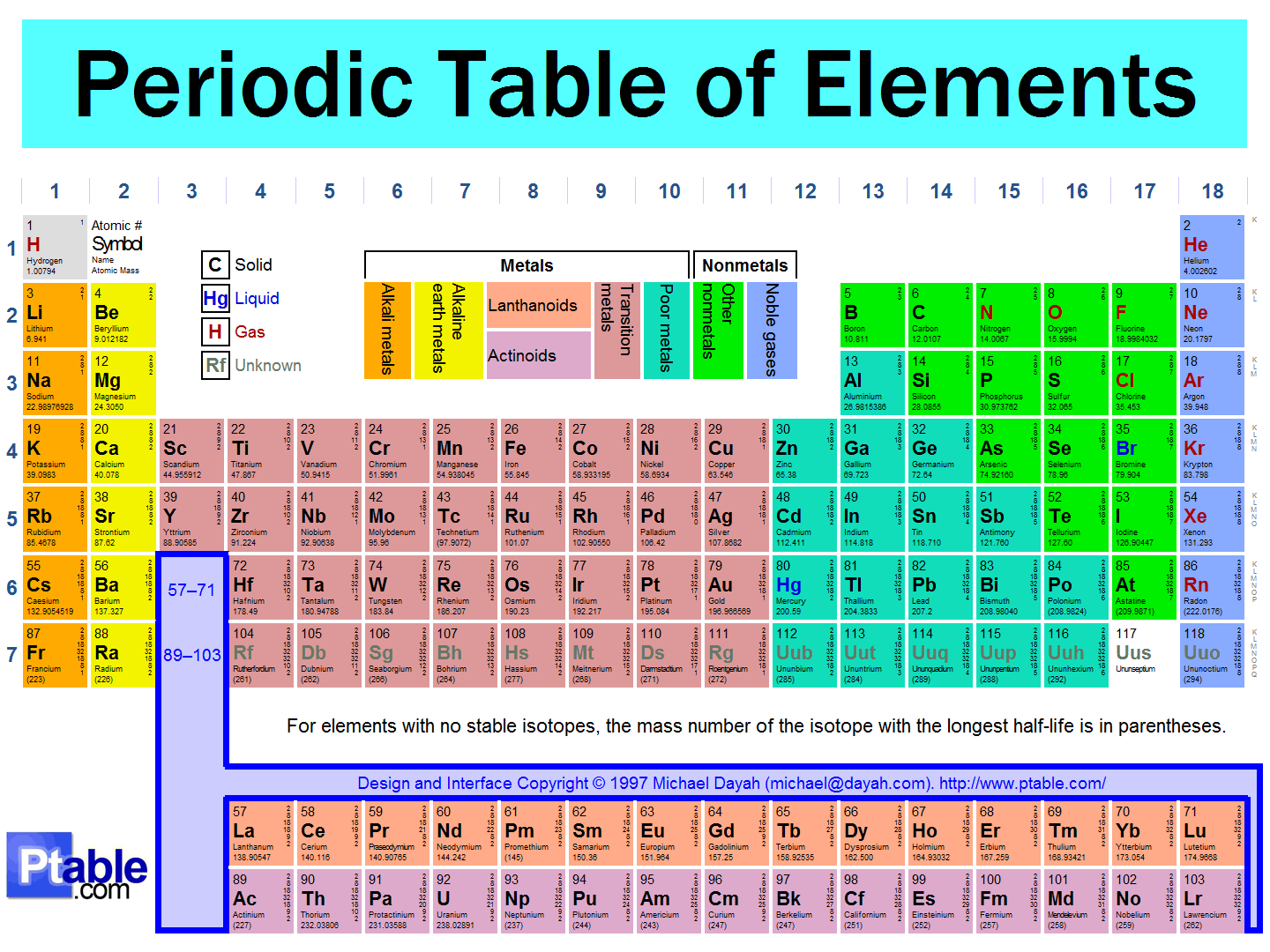
The horizontal row on the periodic table is called a
a)
group
b)
family
c)
period
d)
atomic number
9.

A vertical column is called...
a)
group
b)
tower
c)
period
d)
crew
10.
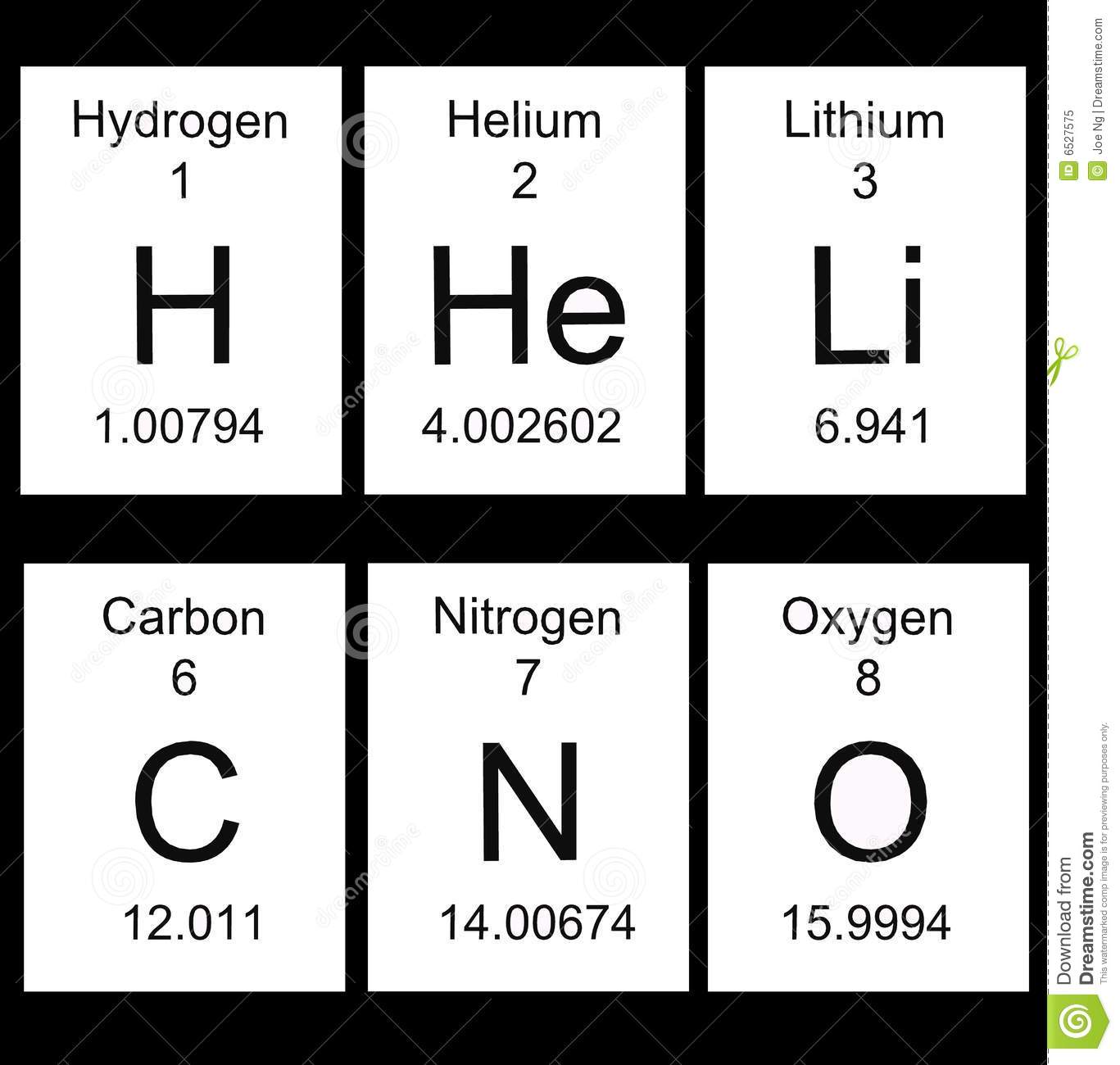
The number at the bottom of each square on the periodic table is the ...
a)
atomic number
b)
atomic mass
c)
chemical symbol
d)
element name
11.
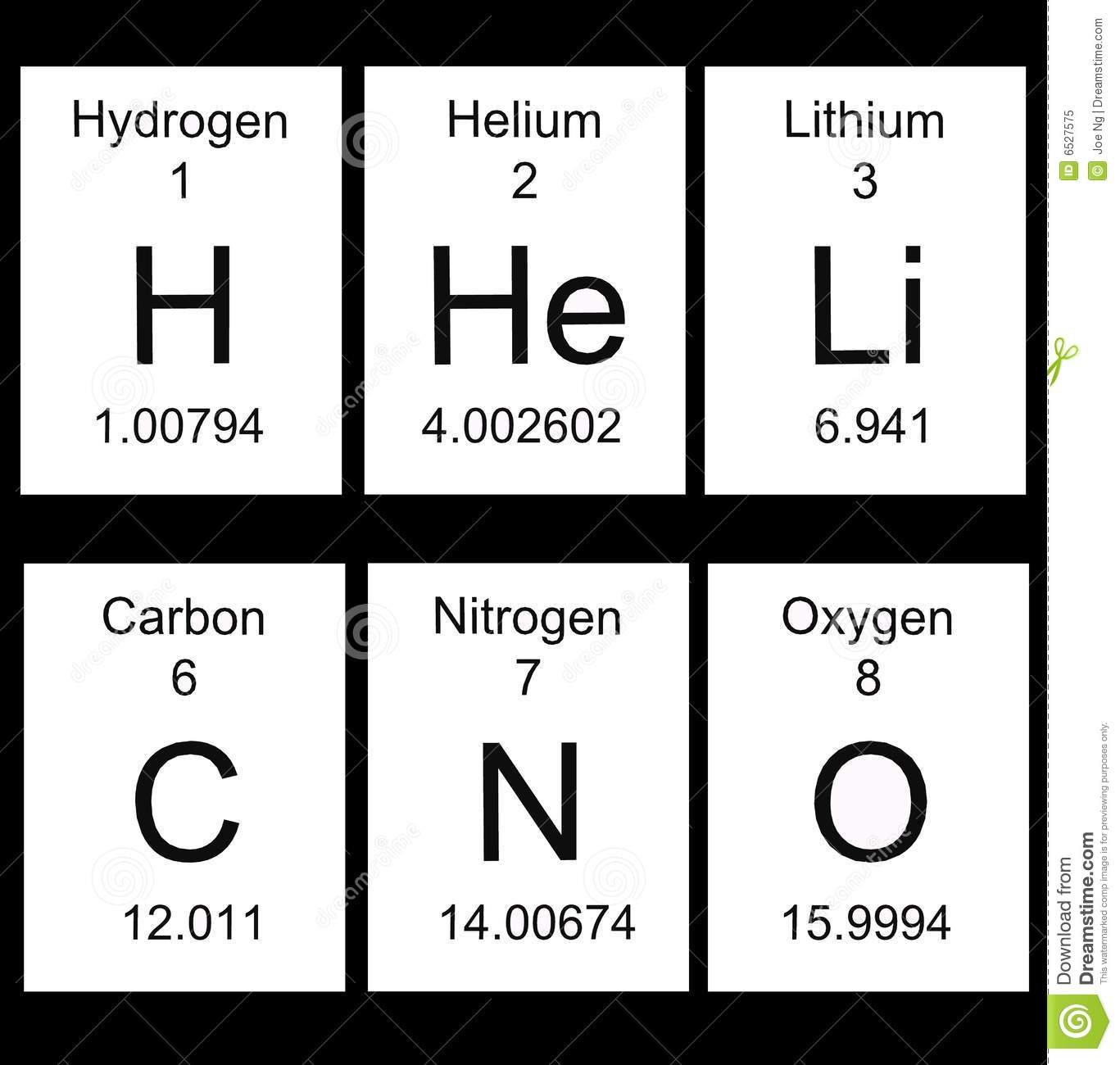
The number at the top of each square on the periodic table is the ...
a)
atomic number
b)
atomic mass
c)
Chemical Symbol
d)
Element Name
12.
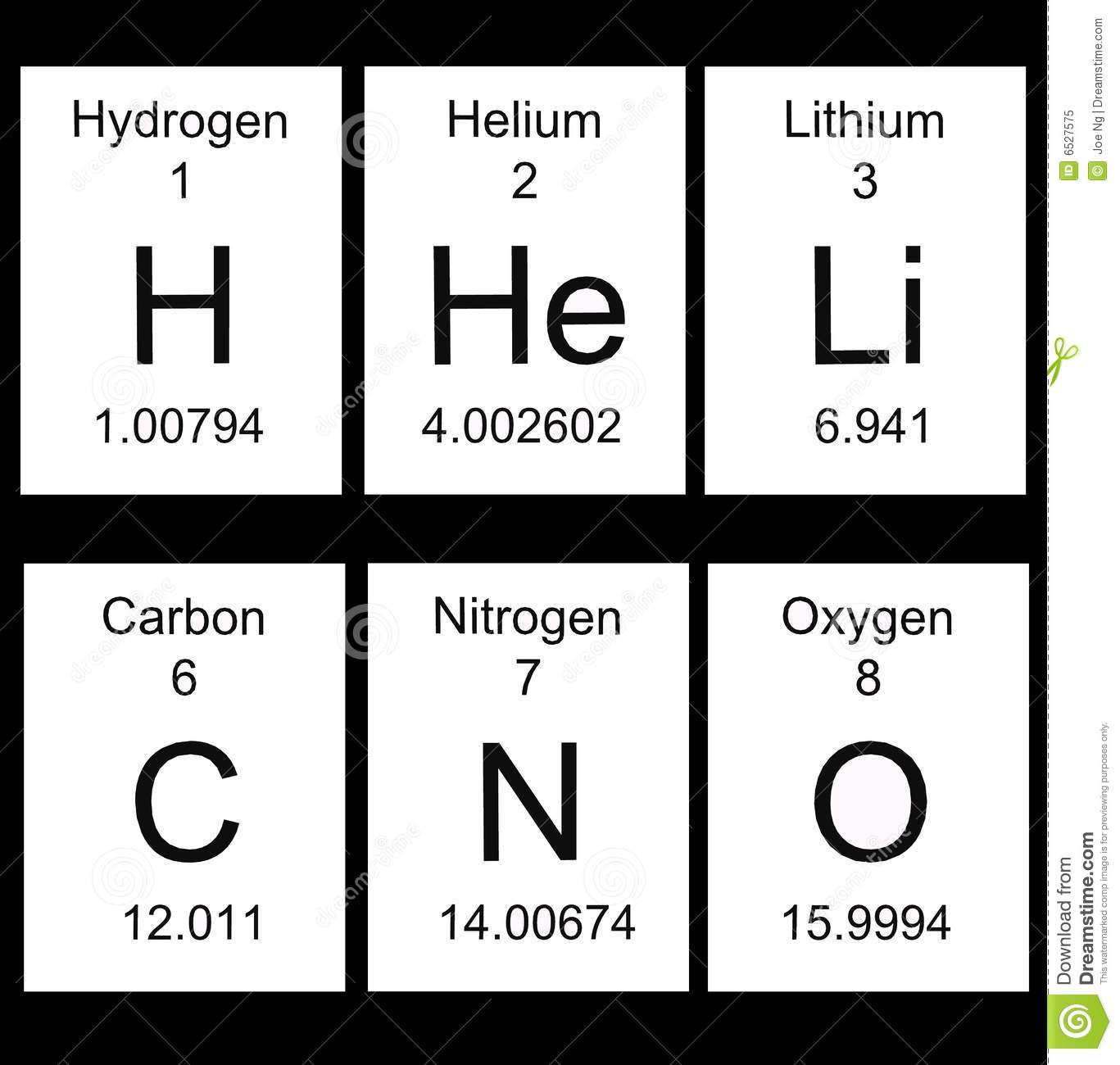
What is the chemical symbol for Lithium?
a)
H
b)
He
c)
Li
d)
N
13.
Elements which are shiny, conduct electricity and heat are called
a)
metal
b)
nonmetal
c)
metalloid
d)
nonexistent
14.

The atoms along the staircase are called
a)
metals
b)
nonmetals
c)
metalloids
d)
noble gases
15.
Which is a halogen?
a)
Helium
b)
Chlorine
c)
Oxygen
d)
Neptune
16.
Which is an alkali metal?
a)
Magnesium
b)
Iron
c)
Sodium
d)
Europium
17.
Elements in a ..................have similar chemical properties.
a)
period
b)
group
c)
row
18.
ammonium chloride
a)
NH3Cl2
b)
NH4Cl
c)
NH4ClO3
d)
NH4Cl2
19.
calcium phosphate
a)
CaPO4
b)
Ca2(PO4)3
c)
Ca3PO4
d)
Ca3(PO4)2
20.
phosphorus trichloride
a)
KCl3
b)
PCl3
c)
K3Cl
d)
P3Cl
21.
barium hydroxide
a)
Ba(OH)2
b)
Ba2OH
c)
BaOH
d)
Ba2OH
22.
CaCO3
a)
calcium monocarbon trioxide
b)
calcium carbide
c)
calcium carbonite
d)
calcium carbonate
23.
AlBr3
a)
aluminum bromide
b)
aluminum tribromide
c)
aluminum bromine
d)
monoaluminum tribromide
24.
K2SO3
a)
potassium sulfide
b)
potassium sulfite
c)
potassium sulfate
d)
dipotassium monosulfur trioxide
25.
SiCl4
a)
silicon tetrachloride
b)
silicon quadchloride
c)
monosilicon tetrachloride
d)
silicon chloride
26.
Carbon dioxide
a)
C2O2
b)
C20
c)
CO
d)
CO2
27.
Bromine monoflouride
a)
Br1F1
b)
BrF
c)
Br2F
d)
BrF2
28.
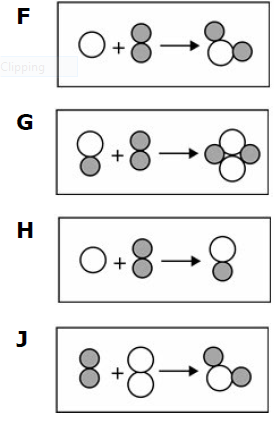
Which of the following models best demonstrates a balanced chemical equation?
a)
F
b)
G
c)
H
d)
J
29.

Which of these formulas contain equal numbers of nitrogen atoms?
a)
Formulas I and III
b)
Formulas I and IV
c)
Formulas II and III
d)
Formulas I, II, and V
30.

All of the following reactions are correctly balanced except-
a)
A
b)
B
c)
C
d)
D
31.
4Si + S8 --> 2Si2S4
a)
Synthesis
b)
Decomposition
c)
Single displacement
d)
Double displacement
32.
3Ca + 2AlCl3 --> 3CaCl2 + 2Al
a)
Synthesis
b)
Decomposition
c)
Single diplacement
d)
Double displacement
33.
3KOH + H3PO4 --> K3PO4 + 3H2O
a)
Synthesis
b)
Decomposition
c)
Single displacement
d)
Double displacement
34.
2Pb(NO3)2 --> 2PbO + 4NO2 + O2
a)
Synthesis
b)
Decomposition
c)
Single displacement
d)
Combustion
35.
What type of chemical reaction is this one?
C2H2 + O2 --> CO2 + H2O
C2H2 + O2 --> CO2 + H2O
a)
Decomposition
b)
Combustion
c)
Synthesis
d)
Single Replacement
36.
What is the small number that you CANNOT CHANGE in a chemical equation?
a)
Subscript
b)
Coefficient
c)
Product
d)
Reactant
37.
What is the "large" number that you CAN CHANGE in a chemical equation?
a)
Subscript
b)
Coefficient
c)
Product
d)
Reactant
38.
Predict the products (right side) of this reaction reaction,
Ca + 2HCl --> ?
Ca + 2HCl --> ?
a)
4CaCl3 + H2
b)
no reaction
c)
CaH2 + Cl
d)
CaCl2 + H2
39.
Balance this equation
Ca + H2O --> CaO + H2
Ca + H2O --> CaO + H2
a)
Ca + 2H2O --> CaO + 2H2
b)
2Ca + H2O --> CaO + H2
c)
It is already balanced
d)
Cannot be balanced
40.
Which coefficients balance this equation:
_Na + _Cl2 ---> _NaCl
_Na + _Cl2 ---> _NaCl
a)
2,1,1
b)
2,1,2
c)
2,2,1
d)
1,2,2
41.
Balance this equation.
_CH4 + _O2 --> _CO2 + _H2O
_CH4 + _O2 --> _CO2 + _H2O
a)
1,2,1,1
b)
2,1,2,1
c)
1,2,1,2
d)
0,2,0,2
42.
N2 + 3H2 → 2NH3
How many moles of hydrogen are needed to react with 2 moles of nitrogen?
How many moles of hydrogen are needed to react with 2 moles of nitrogen?
a)
6
b)
2
c)
3
d)
1
43.
2H2 + O2 → 2H2O
How many moles of water can be produced if 8 moles H2 are used?
How many moles of water can be produced if 8 moles H2 are used?
a)
4 moles
b)
8 moles
c)
16 moles
d)
2 moles
44.
2NaClO3 (s) → 2NaCl (s) + 3O2 (g)
12.00 moles of NaClO3 will produce how many grams of O2?
12.00 moles of NaClO3 will produce how many grams of O2?
a)
256 g of O2
b)
576 g of O2
c)
288 g O2
45.
Cl2 + 2KBr → Br2 + 2KCl
How many grams of potassium chloride (KCl) can be produced from 356 g of potassium bromide (KBr)?
How many grams of potassium chloride (KCl) can be produced from 356 g of potassium bromide (KBr)?
a)
749 g
b)
223 g
c)
479 g
d)
814 g
46.
How many grams are in 7.8 moles of NaCl?
a)
476grams
b)
460 grams
c)
452 grams
d)
462 grams
47.
You are given the following percentages: 40.05% S and 59.95% O. Find the empirical formula for these elements. (keep two decimal places throughout calculations)
a)
SO
b)
SO2
c)
SO3
d)
SO4
48.
What is the empirical formula of the following molecular formula: C3H6
a)
C3H6
b)
CH2
c)
C2H4
d)
CH3
49.
What is the molecular formula if the empirical formula is C2H5 and the molecular molar mass is 58.14 g/mol?
a)
C2H5
b)
C4H10
c)
C1H2.5
d)
C4H8
50.
What is the molecular formula if the empirical formula is CH2O and the molecular molar mass is 180.18?
a)
CH2O
b)
C2H4O2
c)
C4H8O4
d)
C6H12O6
51.
What is the percent by mass of magnesium in MgO?
a)
20%
b)
40%
c)
50%
d)
60%
52.
What is the percent by mass of sodium in NaCl?
a)
39%
b)
61%
c)
35%
d)
65%
53.
What is the percent by mass of chlorine in NaCl?
a)
39%
b)
61%
c)
35%
d)
65%
100 %

