
 Worksheets
APUSH FINAL
Total questions: 61
Worksheet time: 1hrs 6mins
One significant impact of the Columbian Exchange on Europe was...
the growth of the food supply and subsequent population increase
the introduction of slavery as a significant source of labor for European landowners
the widespread devastation of new diseases among the poor
an acceleration of feudalism

Which of the following is true about Native American cultures prior to contact with Europeans?
they experienced frequent epidemic diseases
they had developed wheeled vehicles pulled by livestock
they exchanged goods with African societies
they adapted to the environment and formed unique cultures
The encomienda system primarily relied on labor from
African slaves
Spanish indentured servants
Native Americans
women
What were the reasons for European exploration?
Gold, Guns, Giggles
Gold, God, Glory
Glory, God, Good luck
For the adventure
Which of the following livestock introduced by the Spanish had the greatest impact on Great Plains Indian settlement patterns?
Cows
Horses
Pigs
Bison

Which group focused their settlements primarily on the trading of fur?
English
Portugese
French
Spanish

The most important export from the Virginia colony was
Cotton
Tobacco
Rice
Corn
The purpose of the British Navigation Acts was to
Restrict colonial trade with other countries
Expand colonial trade
Strengthen England's Navy
Make the colonies self-sufficient

Which event singularly most prompted the shift from indentured servitude to African slavery?
Shay's Rebellion
Bacon's Rebellion
Stono rebellion
Pueblo Rebellion

The concerns expressed by Jefferson in the letter are best understood as a response to...
federal efforts to control American Indian populations.
competing ideas about geographical boundaries.
concerns over the rights and responsibilities of individual citizens.
debates over the extension of slavery into the western territories.

Which of the following antebellum era historical developments most directly contributed to efforts such as those described in the excerpt?
The Second Great Awakening
The growing population of laboring poor
The emergence of a women's rights movement
The changes resulting from the Market Revolution

Which of the following groups would most strongly have supported the arguments expressed in the excerpt?
Federalists in the 1790s
Democratic-Republicans in the early 1800s
Jacksonian Democrats in the 1830s
States' rights advocates in the 1850s

Which of the following most directly resulted from the sentiments expressed in the excerpt?
Growing national support among Whigs and Democrats for complete abolition
Increasing numbers of northerners insisting that the federal government should defend slavery
Decreased demand from Northern factories for Southern cotton cultivated by slaves
Increasingly bitter national debates over the institution of slavery

The expansion of transportation networks depicted in the map most directly contributed to which of the following?
The continued importation of slaves from Africa
The growth of industrial manufacturing
The decline of regional economic differences
The rise of large vertically integrated corporations

The excerpt best serves as evidence of which of the following developments in the antebellum era?
The growth of moral and social reform movements
The increased public participation in democracy
The emergence of a new national culture
The influence of liberal social ideas on art and culture
Which amendment officially ended slavery in the United States?
12th
13th
14th
95th
Where were the first shots of the Civil War fired?
Bull Run
Arendelle
Fort Sumter
Antietam
Proposal to prohibit slavery in any land acquired in the Mexican American War. It failed.
Sokovia Accords
Missouri Compromise
Compromise of 1850
Wilmot Proviso
The purpose of the Freedman's Bureau was to
provide 40 acres and a mule for each slave.
gain the vote for millions of former slaves.
provide work, education, and relief for former slaves.
get radical Republicans in positions of power in the South.
The Free Soil Party, like many northerners:
was focused largely on the sole issue of preventing the expansion of slavery into new territory
did not believe Avatar Aang could defeat the Fire Lord
was powerful enough to convince James Polk not to seek reelection.
strongly opposed the Wilmot Proviso but agreed to let it pass as part of a compromise.
Black Codes were created to
provide farmland for former slaves
guarantee equal civil rights for African Americans
Support the Freedman's Bureau
Restrict the rights of newly freed Black people

5 bills passed by US Congress - Defused a 4 year political confrontation between slave and free states on territories acquired during Mexican American War
Compromise of 1850
Wilmot Proviso
Popular Sovereignty
Experiment 626
Legislation that separated the South into 5 military districts under direct Republican control.
Reconstruction Act of 1867
14th Amendment
Jumanji: Welcome to the Jungle
Civil Rights Act of 1866
This gave all men regardless of race the right to vote.
13th Amendment
14th Amendment
15th Amendment
19th Amendment

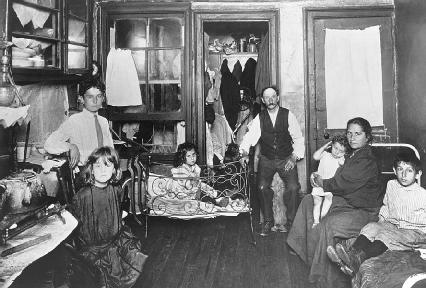
Changing their names, cutting their hair, forcing them to adopt Christianity, requiring them to learn English, etc. These are all examples of what pushed on many Immigrants, but especially the Indians (Native Americans)?
Assimilation
Nativism
Protectionism
Temperance
Overcrowding and pollution were caused primarily by what?
Urbanization
Industrialization
Nativism
Assimilation
Who is most associated with political machines in New York City?
"Boss" Tweed
John Rockefeller
Jane Adams
Andrew Carnegie
What was the main source of power in big city governments during the Gilded Age?
Political Machines
Industrial Capitalists
Robber Barons
Labor Leaders

Who was responsible for the idea of the "Gospel of Wealth?"
John Rockefeller
Andrew Carnegie
John Morgan
Jay Gould
Americans who were against all immigration
America First Party
Emigrants
Nativists
Round Heads
Who was the oil tycoon who created the Standard Oil Company
Carnegie
Morgan
Rockefeller
Vanderbilt

Mark Twain coined this phrase to describe industrial America and the corruption in political America
Progressive Era
Imperial America
Era of Good Feelings
Gilded Age

This type of foreign policy encourages stronger nations to extend their influence over weaker ones.
Imperialism
Isolationism
Globalism
Communism
Identify reasons for American Imperialism
Economic Interests
Military Interests
Cultural Superiority
Self Interests
Muckraker Upton Sinclair wrote a book called The Jungle that...
exposed the unclean/unsanitary processes of the meat-packing industry.
told readers what the Amazon Jungle was really like,
gave people a glimpse into what animals are like in the wild.
The court case that ended segregation in public schools
Brown v. Board
Plessy v. Ferguson
Miranda v. Arizona
Engel v. Vitale
Tinker v. DesMoines
LBJ's plan for increased domestic spending on anti-poverty & anti-racism programs
New Deal
New Frontier
Great Society
Welfare for All
Southern Strategy
What organization was formed to pursue world peace in 1945?
United Nations
NATO
Warsaw Pact
League of Nations
Nixon's policy of relaxing tensions with the USSR
Detenté
Containment
Domino Theory
Brinksmanship
What was the main goal of the Truman Doctrine?
Elimination of communism
Implementation of the "Domino Theory"
Containment of communism
Reconstruction of Western Europe after World War II
Assistance to British colonies in Africa

The terror attack on September 11, 2001 were perpetrated by which terrorist organization?
ISIS
KKK
Al Qaeda
Black Panther Party

