
 Worksheets
Cell Reproduction
Total questions: 68
Worksheet time: 1hrs 2mins
Which statement describes cytokinesis in animal cells?
A cell plate forms and pinches the cell in half
Microtubules pull the cell halves to opposite poles.
A cleavage furrow forms and pinches the cell in half.
Spindle fibers pull the membrane into the center.
Which of the following is mitosis not used for?
Repair (of a wound) in multicellular organisms
Asexual reproduction in unicellular organisms
Development (e.g., baby in mother's womb)
Production of gametes
What is the correct sequence of events in the cell cycle?
interphase, prophase, anaphase, cytokinesis
G1, S, G2, M, cytokinesis
prophase, metaphase, anaphase, telophase, cytokinesis
G2, S, M, cytokinesis
Scientists can bioengineer skin in a laboratory to treat severe burns and other types o0f skin injuries. This bioengineered tissue is grown from living cells. The cellular process that enables the cells to grow and develop into tissue is
conjugation
meiosis
budding
mitosis

prophase
anaphase
metaphase
telophase

What phase is circled in the image?
prophase
anaphase
metaphase
telophase
A diploid cell has 32 chromosomes. How many will its daughter cells have after mitosis?
32
16
64
23

Which process is being shown in the diagram?
mitosis
meiosis
conjugation
binary fission

Which phase is shown?
interphase
prophase
metaphase
anaphase
telophase

Which phase is shown?
interphase
prophase
metaphase
anaphase
telophase

Which phase is shown?
interphase
prophase
metaphase
anaphase
telophase

Which phase is shown?
interphase
prophase
metaphase
anaphase
telophase

Which phase is shown?
interphase
prophase
metaphase
anaphase
telophase

Which is the correct order of the images?
ABCDEF
ADFCEB
DAFCEB
ADFECB

Name the structure indicated by the arrow.
cleavage furrow
binary fissions
cell wall
cell plate
At the end of mitotic cell division, the daughter cells are identical to the parent cell.
true
false

CROSSING OVER TAKES PLACE DURING
PROPHASE II
PROPHASE I
INTERPHASE
METAPHASE I
Homologous pairs line up in the middle of the cell in what phase of Meiosis?
Metaphase I
Metaphase II
Mitosis
Prophase II
If an organism reproduces asexually, as in budding, its offspring will most likely be:
genetically different from each other.
produced from specialized cells known as egg and sperm.
genetically identical to the parent
produced as a result of fertilization.
Living things continue their species through sexual and/or asexual reproduction. Which of the following is true for BOTH sexual and asexual reproduction?
Sperm and egg cells are needed.
Offspring is an exact copy of the parent.
Genetic information is passed from parent to offspring.
They only occur in animal species.
Organisms can reproduce in one of two ways - sexually or asexually. Amoeba are examples of organisms that reproduce asexually. When amoeba reproduce, they replicate their DNA and then divide in half. Therefore,
none of the offspring's genes are identical to those of the parent.
all of the offspring's genes are identical to those of the parent.
half of the offspring's genes come from the parent.
very few of the offspring's genes come from one parent.
Which of the following is true of the daughter cells produced during meiosis?
The genetic information in the parent cell is removed completely.
The genetic information in the parent cell is copied exactly and passed to daughter cells.
The genetic information is reduced to form daughter cells with half the number of chromosomes as the parent cell.
The genetic information is multiplied to form daughter cells with double the number of chromosomes as the parent cell.

How many chromosomes and chromatids are shown in this picture?
4 chromosomes, 4 chromatids
4 chromosomes, 8 chromatids
8 chromosomes, 4 chromatids
8 chromosomes, 8 chromatids
J - Chromatids move to opposite poles of the cell
K - Nuclear membrane disintegrates
L - Chromatin strands become shorter, thicker and duplicated
M - Chromosomes line up at the equator of cell
Arrange the event in the correct sequence.
J, K, L, M
L, K, M, J
K, M, J, L
M, J, K, L


Term E in the diagram.
Meiosis
Mitosis
Zygote
Fertilization
Gametes

In the image.
What is number 2 pointing to?
Cytoplasm
Centromere
Chromosome
Chromatid


If nondisjunction occurs during meiosis, the resulting gametes may have
Too few chromosomes
Too many chromosomes
An incorrect number of chromosomes
Be identical to the parent cell

Kinetochore
Chromosome
Sister Chromatids
Centromere
Cleavage Furrow
In this phase of the cell cycle, the cell DNA is copied.
G1
S
G2
mitosis/cytokinesis
Before mitosis a human kidney cell has 46 chromosomes. After mitosis, the two daughter cells will each have _______ chromosomes.
23
46
92
a different number of
Which organelle moves the chromosomes?
Centriole
Nucleus
Cell Plate
Lysosomes

What happens during the stage labeled C?
S Phase - DNA is copied
G2 Phase - DNA is copied
Metaphase - chromosomes line up in the middle of the cell
S Phase - cell makes organelles for division

What stage of the Cell Cycle is labeled A?
M Phase
Cytokinesis
Interphase
Prophase
What is the correct order of events in the Cell Cycle?
Interphase, Cytokinesis, Prophase, Metaphase, Telophase, Anaphase
Interphase, Prophase, Metaphase, Telophase, Anaphase, Cytokinesis
Cytokinesis, Prophase, Metaphase, Anaphase, Telophase, Interphase
Interphase, Prophase, Metaphase, Anaphase, Telophase, Cytokinesis

What phase of Mitosis is pictured here?
Prophase
Metaphase
Anaphase
Telophase

What phase of Mitosis is pictured here?
Prophase
Metaphase
Anaphase
Telophase

What phase of Mitosis is pictured here?
Prophase
Metaphase
Anaphase
Telophase
At specific checkpoints along the Cell Cycle, what protein can be released to promote division/continue the Cell cycle?
cyclin
kinetochore
histone
ATP Synthase

Anaphase
Interphase
Prophase
Metaphase
Telophase

Anaphase
Interphase
Prophase
Metaphase
Telophase

Anaphase
Interphase
Prophase
Metaphase
Telophase

Anaphase
Interphase
Prophase
Metaphase
Telophase

Anaphase
Interphase
Prophase
Metaphase
Telophase


Unlike mitosis, meiosis results in the formation of
one haploid gamete
three diploid gametes
four diploid gametes
four haploid gametes

Which phase is shown in the picture?
Metaphase I
Metaphase II
Prophase I
Anaphase II

Which phase of meiosis is shown in the picture?
metaphase I
metaphase II
anaphase I
anaphase II

Which stage do the spindle fibers move homologous chromosomes to opposite sides of the cell?
Anaphase I
Anaphase II
Prophase I
Prophase II
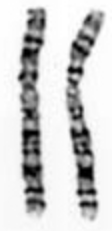
The matching pair of chromosomes shown in the diagram, one inherited from mom and one inherited from dad are called......
sister chromatids
centromeres
homologous chromosomes
autosomes

INCREASES GENETIC VARIATION
TAKES PLACE IN PROPHASE I
CROSSING OVER
ALL ARE TRUE
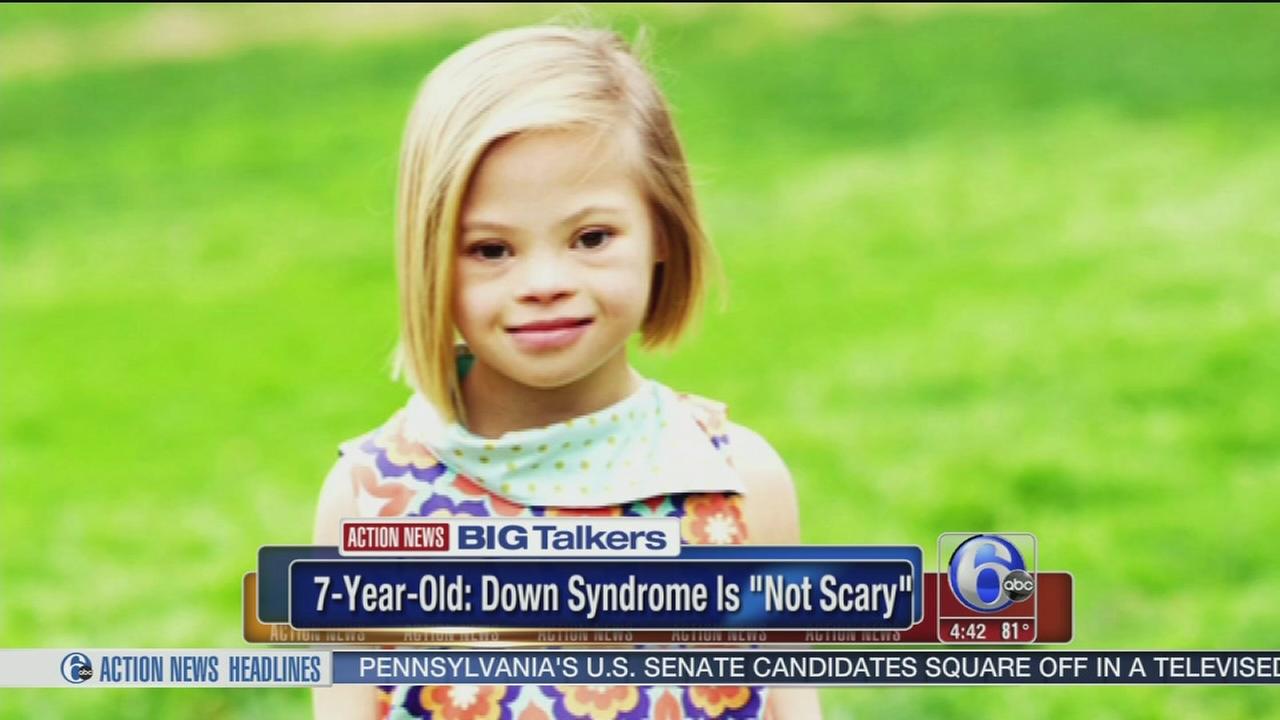
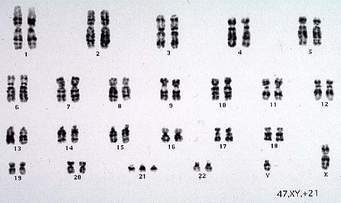
What would you call the failure of one or more pairs of homologous chromosomes or sister chromatids to separate normally during meiosis?
nondisjunction
anaphase I
nondiploidy
karyotype
what is cyclin-dependent kinase (CDK)?
uncontrolled cell growth and division. It is basically related to the abnormal functioning of cell cycle regulators
an enzyme that controls the cell cycle and is activated by cyclin
achieved by a group of proteins, called cyclins, and enzymes, known as cyclin-dependent kinases.
enter the blood vessels which may carry them to different parts of the body. In this way, cancer will be spread throughout the body.
By the end of prophase all of the following has occurring EXCEPT
The nuclear membrane has broken down.
Centrioles and spindle fibers have appeared.
Chromosomes have lined up in the middle of the cell.
DNA has become more tightly coiled into rod-shaped structures.
If a cell does not go through the S phase of the cell cycle before mitosis, what might be wrong with the daughter cells?
They may have the wrong number of chromosomes.
They may have no centrioles.
They may change in to cancer cells.
They may encounter cell death.

