
 Worksheets
BTEC Sport Level 3 - Unit 1 Test
Total questions: 83
Worksheet time: 42mins

What bone is highlighted?
Skull (Cranium)
Mandible
Clavicle
Scapula

What bone is highlighted?
Tibia
Fibula
Femur
Humerus
From ankle to toe, what is the order of bones?
Tarsals, metatarsals, phalanges
Phalanges, metatarsals, tarsals
Metatarsals, phalanges, tarsals
Tarsals, phalanges, metatarsals
From wrist to fingertip, what is the order of bones?
Carpals, metacarpals, phalanges
Phalanges, metacarpals, carpals
Carpals, phalanges, metacarpals
Metacarpals, carpals, phalanges
An example of a long bone is?
Spinal Cord
Wrist Bone
Thigh Bone
Sternum
Which of the following are functions of the bones?
Support and Protection
Attachment to the muscles
Stores inorganic salts
All of the above
How many classifications of bones are there?
5
4
6
3

What type of joint is this
pivot
gliding
ball and socket
fixed

What type of joint is this
gliding
hinge
pivot
ball and socket

The bones that make up the spine are called
femurs
vertebrae
cartilage
marrow
Which type of joint gives you the largest range of motion?
Pivot
Ball and socket
Hinge
Gliding


What muscle is highlighted in the picture?
Triceps
Biceps
Quads
Deltoids

What muscle is highlighted?
Trapezius
Lats
Pectoralis
Deltoids

What muscle is highlighted?
Abdominals
Quads
Gluteus
Hamstring

Identify in the picture, what muscle is being shown (highlighted in red)
gastrocnemius
gluteus maximus
deltoid
scapula

What are the three functions of the muscular system?
Movement, digestion, blood circulation
support, makes new blood cells, provides homeostasis
storage, movement, blood circulation
digestion, movement, provides homeostasis
Occurs when the bones of inactive people tend to lose mass:
atrophy
ossification
shingles
osteoarthritis
To bend the elbow with flexion, the...
Bicep contracts and the tricep is relaxed
Bicep relaxes and the tricep is contracts
Bicep contracts and the tricep is contracts
Bicep relaxes and the tricep is contracts
The agonist is also known as...
the prime mover
antagonist
voluntary
origin
The antagonist is
the muscle that causes the movement
the muscle that relaxes
the muscle that is attached to the moving bone
the muscle that is attached to the stationary bone
What is the name of the receptors that detect change in blood pH?
Baroreceptors
Chemoreceptors
pH receptors
chemicalreceptors
What part of the brain receives signals regarding changing breathing rate?
Cardiac control centre
Respiratory control centre
Breathing control centre
Hypothalamus
Name the missing part in the travel of air into the lungs:
pharynx, larynx, trachea, bronchi, _________ alveoli
Epiglottis
Diaphragm
Thoracic Cavity
Bronchioles
Definition: "The volume of air
breathed in and out
with each breath"
Breathing rate
Tidal Volume
Inspiratory Reserve Volume
Vital Capacity
Select the acute adaptations of the respiratory system
Increased breathing rate
Increased strength of respiratory muscles
Increased size of thoracic cavity
Increased tidal volume
Select the chronic adaptations of the respiratory system.
Increased breathing rate
Increased strength of respiratory muscles
Increased Tidal Volume
Increased Vital Capacity
Name the nerve that stimulates an increase in the contraction rate and force of respiratory muscles
Breathing nerve
Phrenic Nerve
Siatic Nerve
Trochlear nerve
What are the possible negative effects of training at altitude?
Home sickness
Altitude sickness
Clouds
Lack of motivation
Poor coaching
What is different about training at altitude and sea level that causes adaptation to occur?
The amount of food to eat
The partial pressure of O2
The partial pressure of CO2
The partial pressure of nitrogen
Which respiratory muscles work during inspiration?
Diaphragm
Internal intercostals
External Intercostals
Which respiratory muscles work during expiration?
Diaphragm
Internal intercostals
External intercostals
Select the 3 characteristics of the membranes that increase efficiency of gaseous exchange.
one cell thick
large surface area
layer of moisture
lots of holes


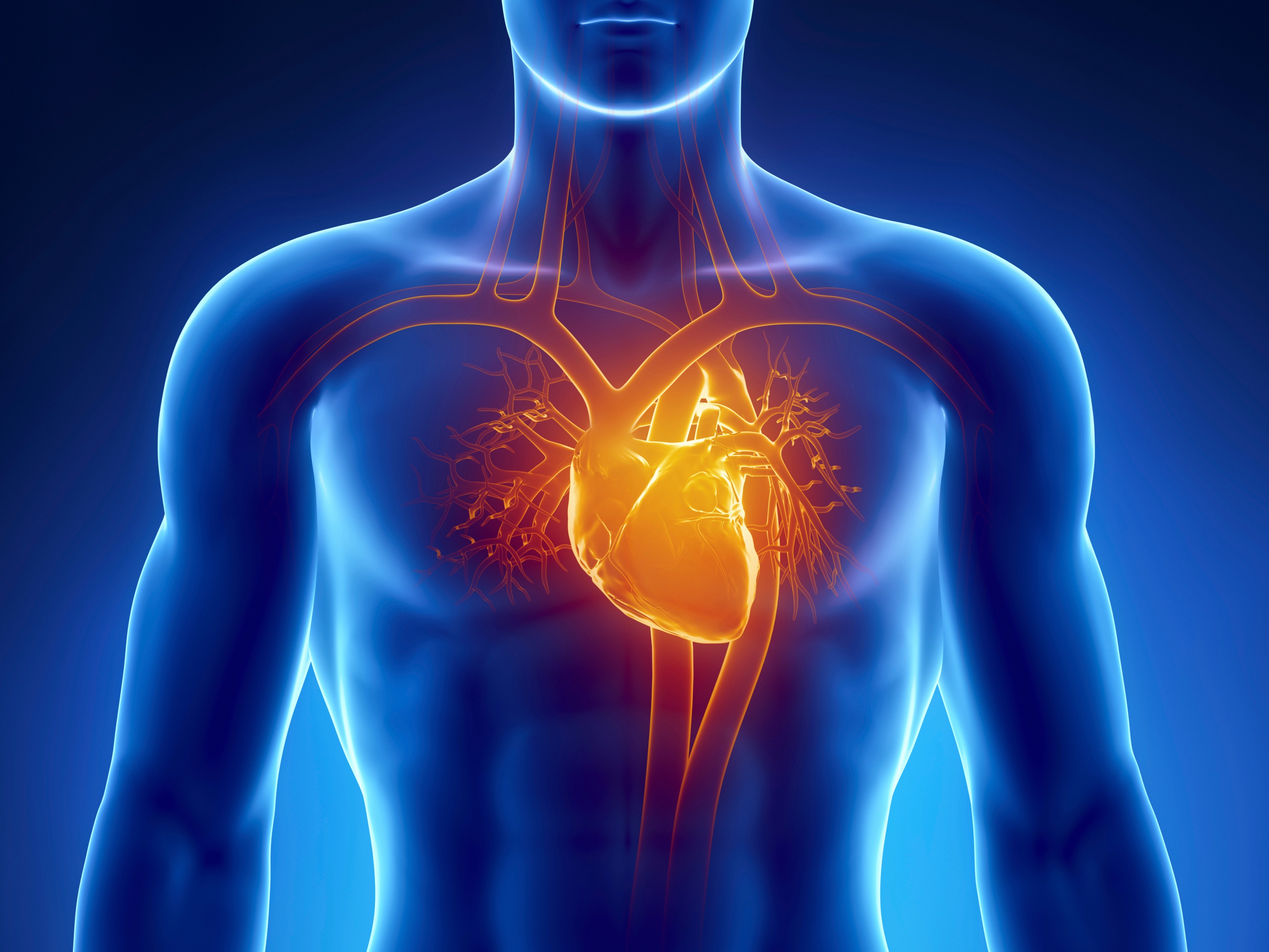

Human blood vessels are
artries, capillaries, and atria
ventricles, atria and pulmonary veins
capillaries, artries, and veins
veins, artries, and aorta
The blood vessel that has valves at intervals...
capillary
artery
vein
none of the above
These are one cell thick
arteries
capillaries
veins
Blood pressure measured when the ventricles are relaxed
Diastolic
Pulse
Venous return
Systolic
What is "normal" blood pressure
120/110 mmHg
120/80 mmHg
100/80 mmHg
140/80 mmHg
Fatima has blood pressure 183/81, what is Fatima's systolic pressure?
81
183
183/81
81/183
Low blood pressure
diastolic pressure
systolic pressure
hypotension
hypertension
Blood cell that protect the body against infection
Platelets
Plasma
Hemoglobin
White Blood Cells
Blood
Types of cells in the blood that causes blood clots to form
Platelets
Blood
Plasma
Hemoglobin
White blood cells
A wall of tissue that separates the 4 chambers of the heart
Pulmonary Circulation
Valves
Atria
Ventricles
Septum
The ATP-PC system is utilised during what exercise intensity?
Sub-maximal intensity (<85% MHR)
High Intensity (85% MHR)
High Intensity (95% MHR)
At rest
An elite 3000m runner would predominantly use which energy system during a race?
ATP-PC Energy System
Anaerobic Glycolysis Energy System
Aerobic Energy System
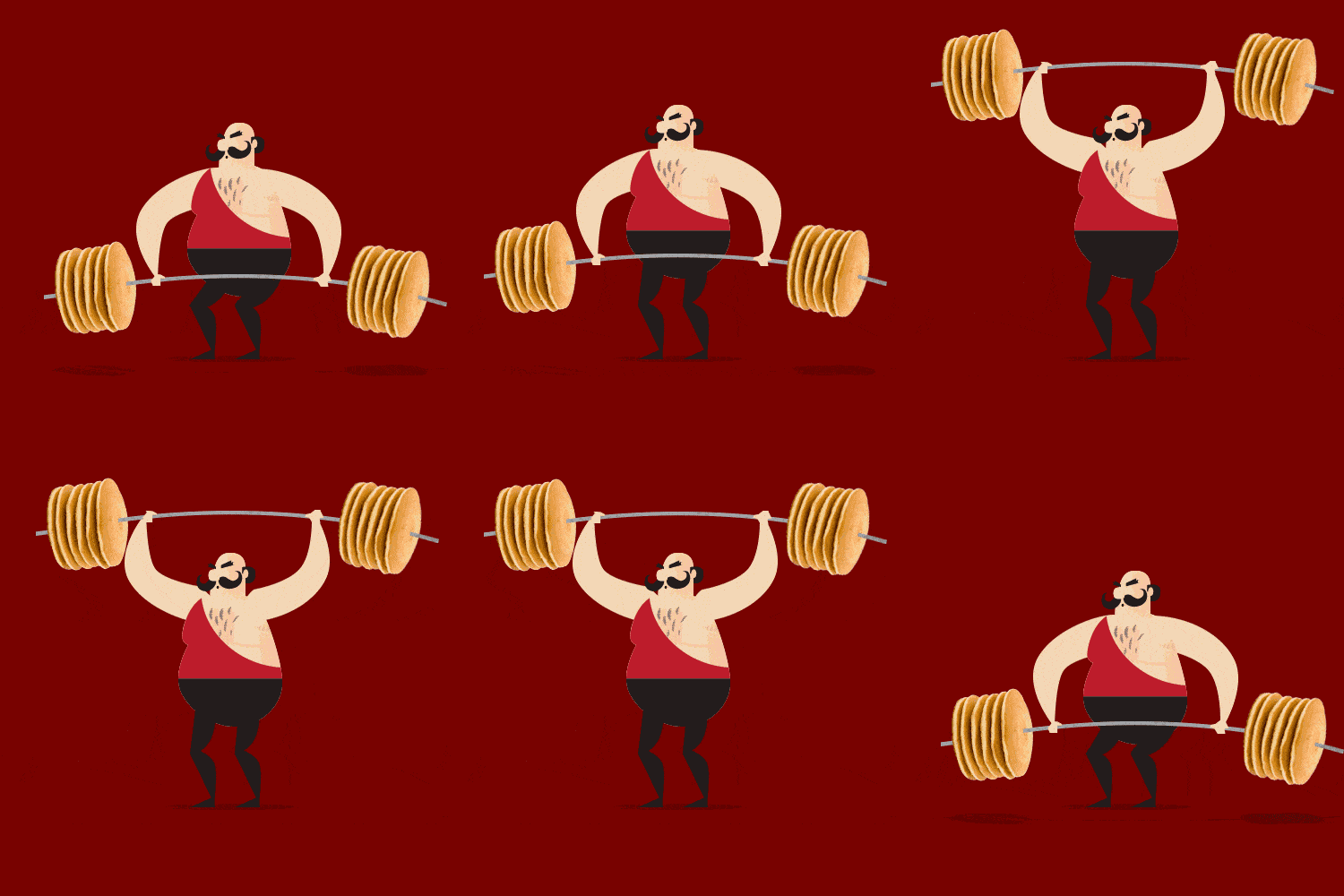
Which would be the dominant energy system in this physical activity?
ATP-PC System
Lactic Acid System
Aerobic System
For athletic events such as javelin and discus, the predominant energy system used is
aerobic system
anaerobic glycolysis system
ATP-PC system
The anaerobic glycolysis system
operates without oxygen
provides energy for about 10 seconds to 90 seconds
is used for high intensity exercise
all of the above
none of the above
The substance that accumulates in the muscle during anaerobic glycolysis is known as:
phosphate creatine
triglyceride
lactic acid
ATP
The energy system used for a particular activity will depend on the:
intensity of the activity
duration of the activity
both of the above
none of the above

Our breathing rate increases and you start to breathe heavily, this happens because
More blood gets circulated around the body
We have started to perform a physical activity
To break down Lactic Acid and replenish energy supplies.
Our muscles need more oxygen so you breathe deeper and quicker so a supply of oxygen can get to the muscles.

The burning sensation you feel during and shortly after exercise is largely due to
Proteins
Lactic Acid
Hormones
Acids
The body's main source of energy
Protein
Vitamins
minerals
Carbohydrates
ATP stands for what?
Aerobic Tri-potassium
Adenosine Tri-phosphate
Adrenaline Twitch Protein
Anaerobic Triple Phosphate
Why does the body require the three different energy systems?
It doesn't require three different systems
Different sports have different demands
Intensity and duration of different activities and the availability of oxygen
Physical exercise usually takes longer than a few minutes
The Lactic Acid System usually lasts for how long?
0-10 seconds
10 seconds - 2 minutes
2 + minutes
1 hour +
The ATP - PC System usually lasts for how long?
0-10 seconds
10 seconds - 2 minutes
2 + minutes
1 hour +



