
 Worksheets
Quiz 1 - DNA Replication
Total questions: 37
Worksheet time: 3hrs 32mins
In DNA replication, a new DNA has 1 parent strand and 1 new strand? Therefore, DNA replication is considered as ________.
Conservative
Semiconservative
Dispersive
This term refers to the separation of the two single strands of DNA that creates a ‘Y’ shape.
enzyme
unzip
A replication fork
What is the enzyme that helps helicase unzip DNA by relieving supercoiling?
Topoisomerase
Exonuclease
DNA Primase
DNA Polymerase
In what direction does the leading strand run?
3' ----> 5'
5' -----> 3'
It doesn't matter
Both directions
Each DNA molecule created contains one NEW strand and one OLD strand.
True
False
Okazaki fragments are found on the _______________ strand.
Leading
Lagging

A DNA nucleotide contains all of the following, except ______.
Deoxyribose
Phosphate group
Nitrogenous base
Cholesterol

Sometimes, DNA is called "semi-conservative." Why might this be?
The old strand is "conserved" and used to make the new strands.
Uracil is "conserved" in that it is only used to make the new strand.
ATP is "conserved" via the usage of facilitated diffusion.
Ligase is "conserved" in that it is denatured by the process.
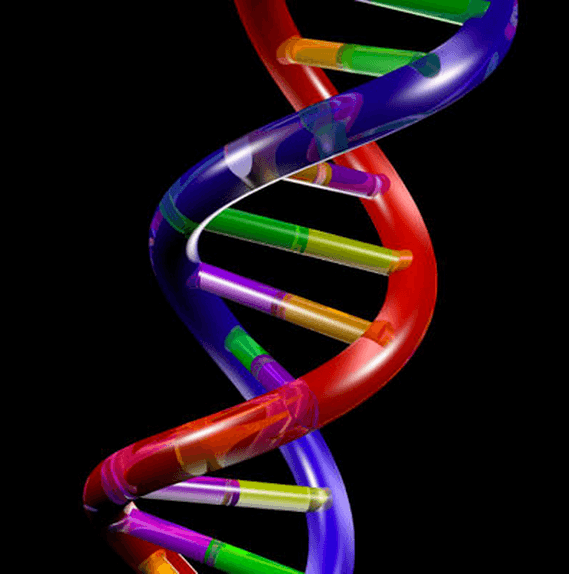
What determines the code or information of a DNA molecule?
the shape (structure) of the nitrogen bases
the order (sequence) of the nitrogen bases
the color of the nitrogen bases
the frequency (number) of nitrogen bases
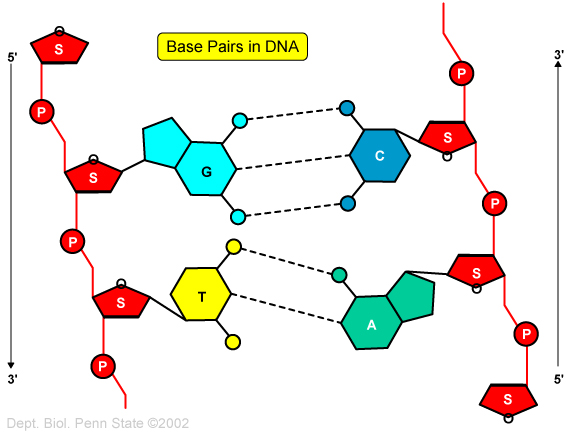
A process in which DNA has the unique ability to make an exact copy of itself is called ______.
Replication
Translation
Transcription
Which is another word for an organism?
abiotic factor
biotic factor
nonliving thing
A group of similar cells that come together to perform a specific function is a/an ______.
organ
organism
organ system
tissue
Anything that can perform life processes by itself is a/an _____.
cell
organ
organism
organ system
When a group of organs work together to perform a particular function they create a/an ______.
organ system
organism
tissue
organ
The smallest level of organization of life in an organism is called ______.
tissue
cell
organ
organ system
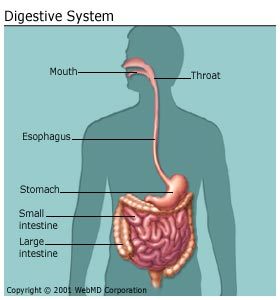
This is an example of a/an ______.
organ system
cells
organ
tissue
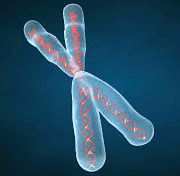
The diploid number of human chromosomes is _______.
23
46
92
An organism’s genotype is its _______.
stem height
feather color
genetic makeup
physical appearance

Replicate the following strand of DNA:
A A T C A T G G A
A A T C A T G G A
T T A G T A C C T
U U A G U A C C U
G G A T A U C U A

In a molecule of double-stranded DNA, the amount of Adenine present is always equal to the amount of _________.
cytosine
guanine
thymine
uracil
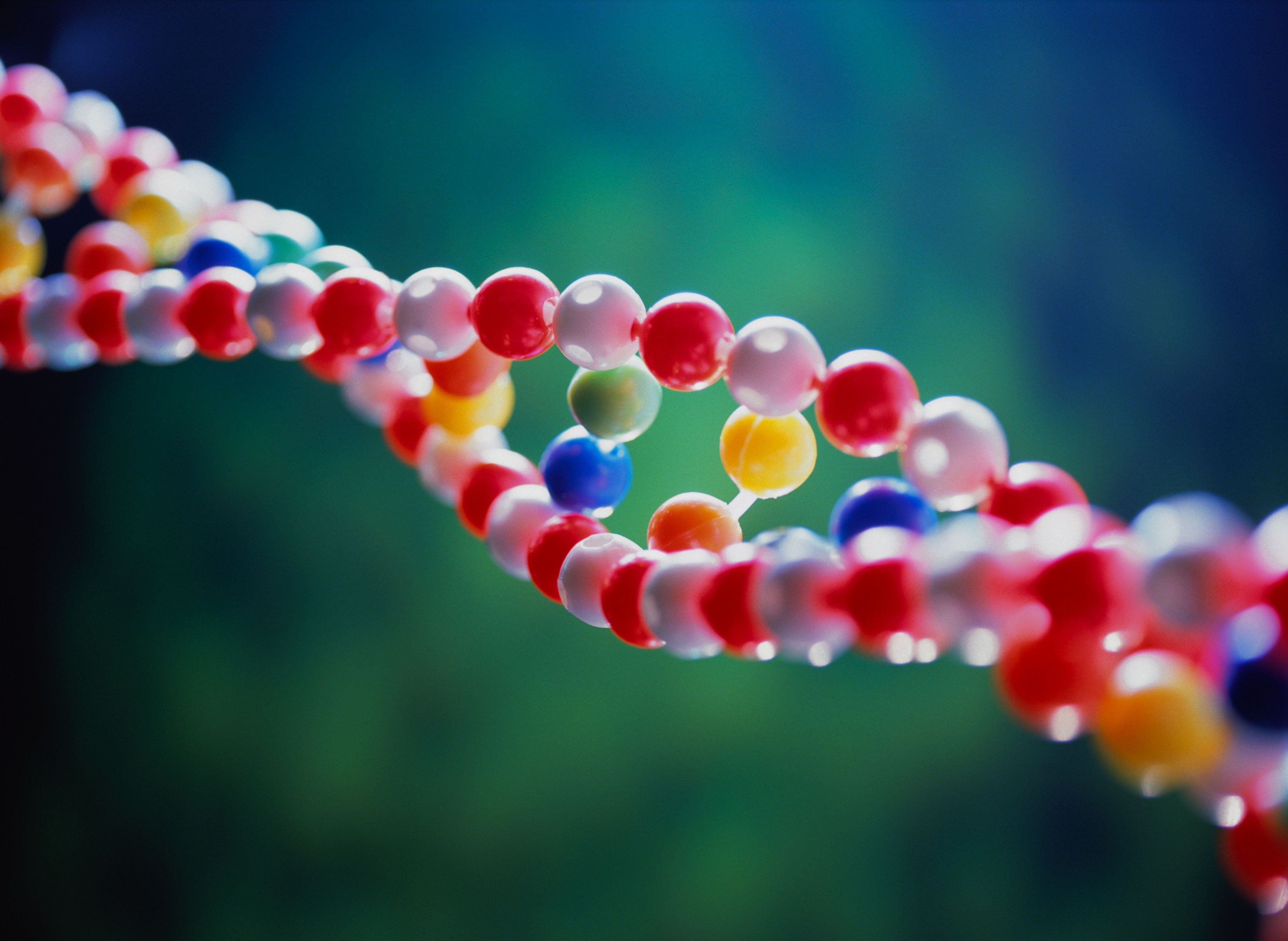
Why is DNA important?
It is very small and very complicated.
It's in everything.
It serves as the blueprint for traits of all living things.
It is because we eat it every day for energy.
What is the correct complementary strand for the following DNA? A T C G A G
T A C G A G
A T C G A G
T A G C T G
T A G C T C


