
 Worksheets
Science standard 6 DLP
Total questions: 50
Worksheet time: 2hrs 40mins
When you group or organize categories, you are using the skill of ______________?
observe
compare
predict
classify


_______________________.

What type of matter is shown
Solid
Liquid
Gas

The diagram shows that the shape of balloon can be changed.
The shape of a balloon can be changed because the air in the balloon....
does not have a fixed shape
has different masses
does not occupy space
can expand
The sun is ________.
a large star
a small star
an average-size star
a gas giant
Which planet has a rocky surface?
Venus
Neptune
Saturn
Jupiter
What causes the sun to appear to move across the sky?
Earth's gravity
Earth's revolution
Earth's atmosphere
Earth's rotation

What is the number of food chain in the food web above?
1
2
3
4
Which of the following is not a consumer?
Oil palm tree
Owl
Eagle
Rat
What will happen if population of owl increases?
Population of rat increases
Population of squirrel decreases
Population of eagle increases
Population of oil palm trees decreases

Diagram 1 shows a type of animal with shell. How can this specific characteristics help to protect the turtle from enemies?
Big shell that fits its body
Hard shell that protects its soft body
Hard shell that scares other animals
Heavy shell that is difficult to be lifted

Diagram 2 shows a group of animals. Which of these animals has the same way of protecting itself as shown in Diagram 2?
Puffer fish
Grasshopper
Turtle
Pangolin

*Remember Humans are on the top of all food chains because we do not get hunted.
Plants are called producers because they can produce their own:
music
food
air


Diagram 2 shows a behavior of animal X.
Why does animal X behave in this way ?
To keep its body warm
To frighten its enemies
To store food and water
To protect itself from enemies
Which characteristic helps a penquin survive in its habitat ?
It has long ears
It has thick fur
It has humps
It has a thick layer of fat
The distance from Perak to Johor can be measured by using the unit...
centimetre
metre
kilometre
milimetre
The mass of which of the folowing objects is measured in miligrams ?


Two factors of stability of an object
height
shape
base
weight
which stool is less stable?


which are the property of concrete?
does not rust
does not burn
does not rot
malleable
Give an example of a building made from plastic.
construction building
bridges
waterproof houses
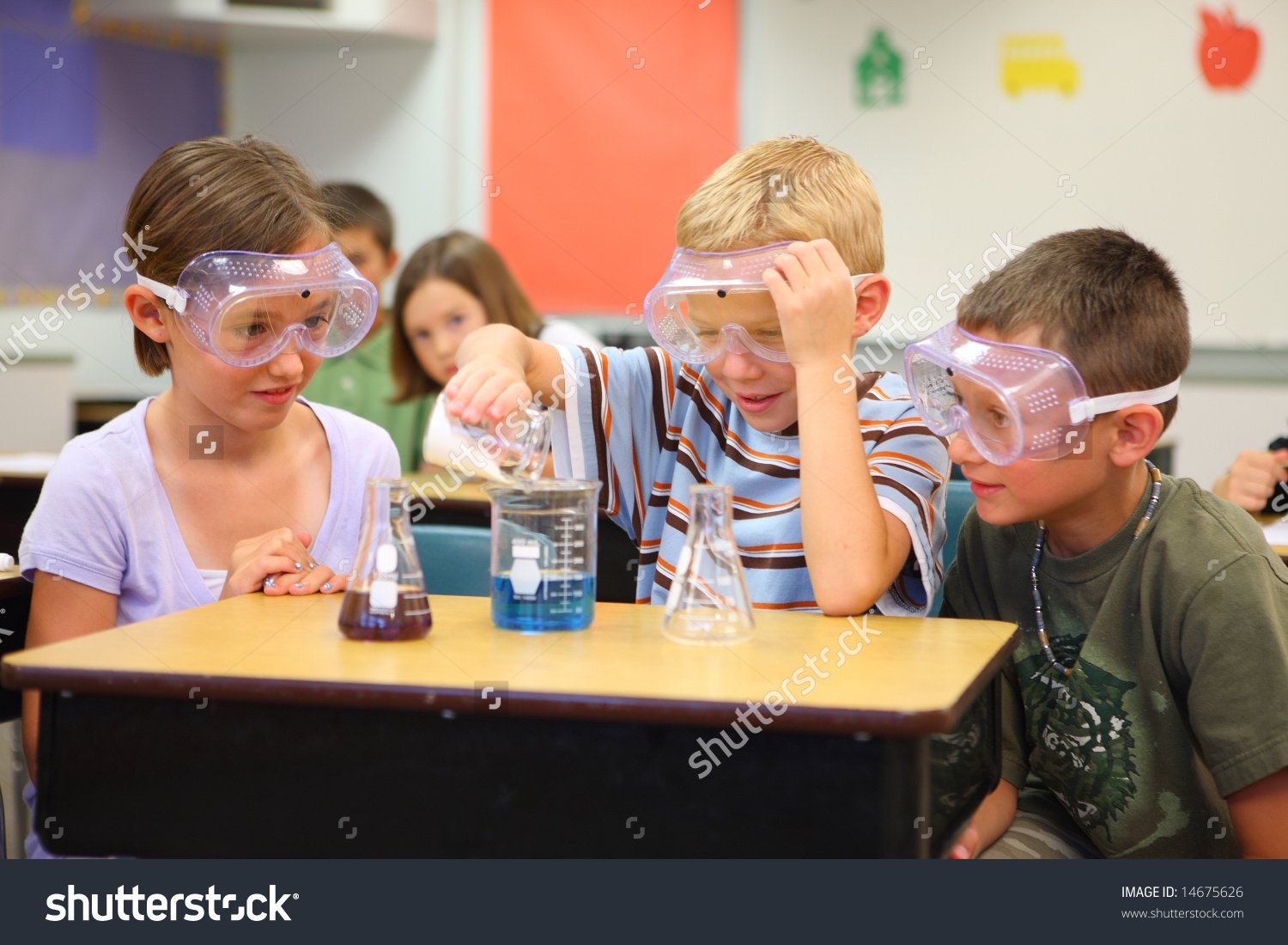
Which of the following is not allowed in the science room.


Diagram 2 above shows a cracked conical flask. What should we do if this happened?
Hide it without informing the teacher
Throw it into the dustbin
Report it to the teacher immediately
Leave it on the table until the science period is over

Diagram 7 shows a group of animals living in an extremely cold region.
What is the special characteristic that enables the animal to live in the area?
Thick fur
Smooth skin
Thick skin
The thick layer of fat
Which of the following animals takes care of their eggs and their young ?


Which of the following does not use the principle of expansion and contraction of heat?


Predict how the seeds of this plant are dispersed.
by animals
by wind
by water
by explosive mechanism

The banana leaf rolls up during hot weather to
reduce loss of water
store salt water
absorb more water
reduce wind resistance
Which of the following materials will rust when exposed to water and air?


Which of the following symbols represents the electric component above?


Which process helps the formation of clouds?
Evaporation
Boiling
Condensation
Freezing

Diagram shows the formation of rain. The above cycle is known as
cloud cycle
air cycle
water cycle
rain cycle
Which object will form a shadow?
Light object
Transparent object
Heavy object
Opaque object.
What is the factor that causes the change in the size of a shadow?
The distance between the light source and the screen.
The distance between the object and the screen.
The position of the light source
The shape of the object.
Which of the following objects uses the principle of expansion and contraction?
Stethoscope
Periscope
Railway track
Microscope
Which of the following shows that substance contracts when it cools?
Two glasses are stucked to each other
Electrical cables become loose
A dented ping pong ball gets back its shape.
The gaps in the railway.

What form of energy that can be generated by the structure in the picture?
Water
Electricity
Biomass
Fossil fuel
What transformation of energy that occurs when Qaisara runs in the field?
Electrical energy ➡️ kinetic energy ➡️ sound energy
Chemical energy ➡️ kinetic energy ➡️ sound energy
Potential energy ➡️ kinetic energy ➡️ electrical energy

