
 Worksheets
Review: Ecology
Total questions: 67
Worksheet time: 54mins
What is an invasive species?
An organism that is new to an environment that has positive effects on the environment.
An organism that is native to an environment that has negative effects on the environment.
An organism that is new to an environment that has negative effects on the environment.
An organism that is native to an environment that has positive effects on the environment.
Which of these are fossil fuels? Select all fossil fuels listed.
steam
coal
gas
oil
The main human activity that releases greenhouse gases is
using public transportation and there by reduce the affects of greenhouse gases.
burning fossil fuels
texting on cellphones
eating meat
Which of the following is contributing to an INCREASE in carbon dioxide in the atmosphere?
deforestation
photosynthesis
oceans
all of the above
the loss of animal species
Burning fossil fuels to generate electricity releases sulfur dioxide and nitrogen oxides which react with gases in the atmosphere. This leads to precipitation called:
ozone
acid rain
greenhouse gases
methane
1. What are renewable resources?
. Resources that are used faster than they form
resources that can replenish themselves over time
resources that formed over millions of years
resources that exist only in rural areas
1. What would Earth be like without the greenhouse effect?
The same temperature
a little cooler than it is now
. Too cold to live
a little warmer than it is now
1. Which level of the food chain is most affected by biomagnifications?
Producers
primary consumers
secondary consumers
tertiary consumers
Which member of the following food chain is most likely to be affected by mercury, a pollutant? Algae - zooplankton - salmon – bear
algae
salmon
zooplankton
bear
1. What is one of the greatest threats to biodiversity on Earth?
habitat destruction
loss of drinking water
decrease in food supply
pollution
Which correctly has the organization of life in order from smallest to largest?
cell, tissue, organ, organ system, organism, population, community, ecosystem, biome, biosphere
tissue, population, cell, community, biome, biosphere, community
cell, cell, cell, cell, cell, cell, cell, cell, cell, cell, cell,tissue
biosphere, biome, ecosystem, community, population, organism, organ system, organ, tissue, cell

A group of the SAME SPECIES in an area makes up the
community
population
ecosystem
biome

A community is
all the same species in an area
all the LIVING THINGS (biotic factors) in an area
all the living AND non living things in an area
a large area with many ecosystems

All the LIVING (biotic) PLUS the NON LIVING (abiotic) things in an area makes up the
population
community
ecosystem
organism

Water, temperature, and rocks are all
abiotic factors in an ecosystem
biotic factors in an ecosystem
not important in an ecosystem
are not part of an ecosystem
When there is a lack of resources such as food, water, space, and sunlight, this is often called a
limiting factor
big hot mess
healthy ecosystem
population grower

Carrying Capacity is the largest population an ecosystem can support. What is the carrying capacity of the species shown in this graph?
2000
100
200
50

When a population grows past the ecosystem's carrying capacity, what will most likely happen to the population?
continues to grow
population will go extinct
population starts to die and return to carrying capacity
population continues to grow exponentially
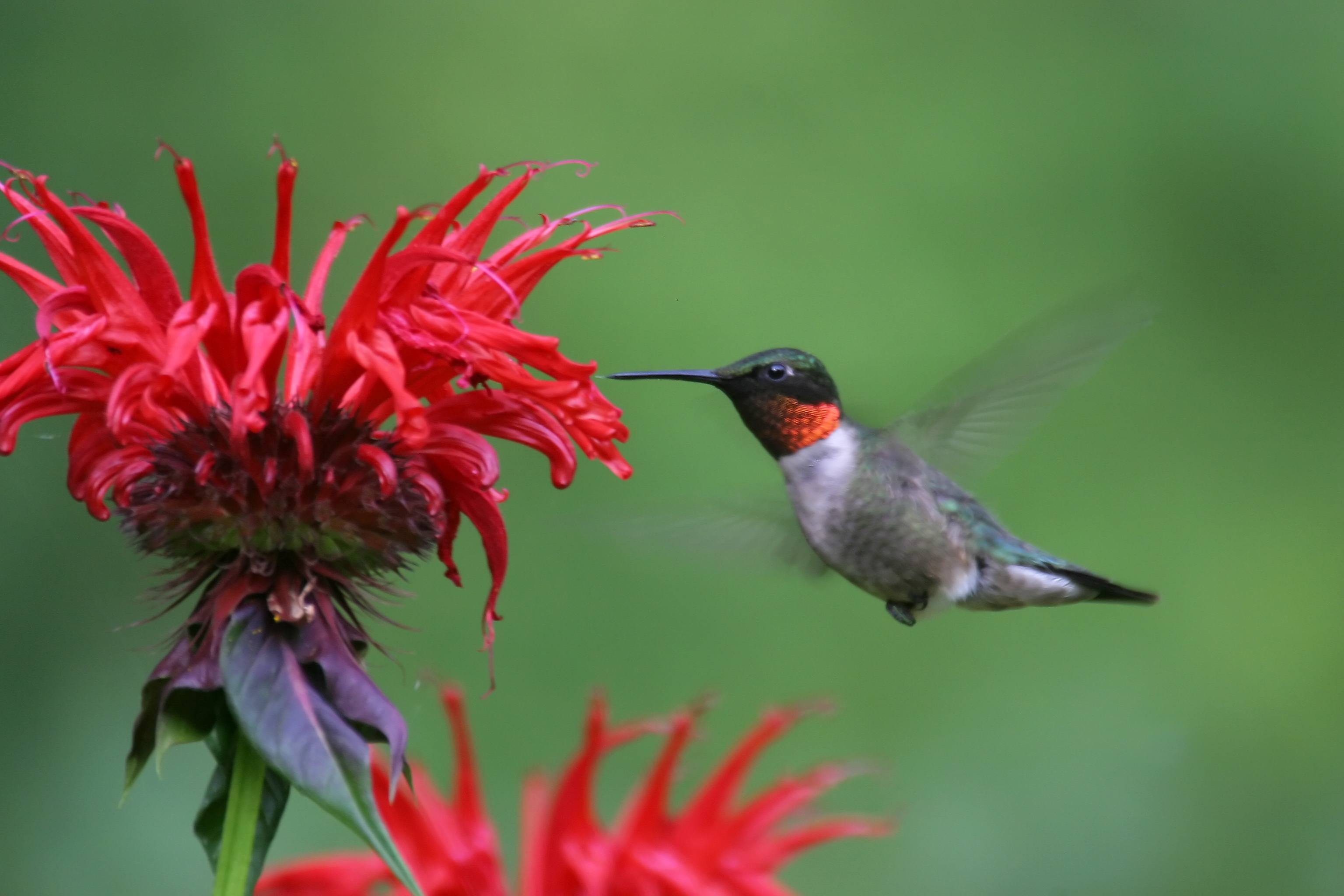

This is the largest number of individuals of a population that the environment can support...
carrying capacity
population crash
lag phase
mutualism

Which type of growth is best illustrated by this rabbit population?
exponential
logistic
S-shaped
predator-prey

Predator population lags behind prey population because......
Increase in predators leads to decrease in prey
Increase in predators leads to increase in prey
Increase in predators leads to decrease in producers
Increase in producers leads to increase in prey

Due to severe overcrowding in an Asian village, many children do not survive to reach adulthood.
Density-Dependent: Disease
Density-Independent: Disease
A lion eating a zebra is an example of:
predation
mutualism
commensalism
parasitism
A bee eating the flower's nectar and picking up the flower's pollen
predation
mutualism
commensalism
parasitism
Competition between members of the same species is known as INTERspecific competition
True
False, INTRAspecific
The competitive exclusion principle states that no two organisms can occupy exactly the same niche in exactly the same habitat at exactly the same time
True
False, species

The rabbit population decreasing 3 times on this graph. What is the likely cause of these decreases?
Running out of food
Wolf population increasing
Wolf population decreasing
Running out of space


What is a keystone species?
A species that helps to hold an ecosystem together
A species that lives in or around rocks
Keys and stones have nothing to do with ecology
A keystone isn't a living thing, it's just a stone
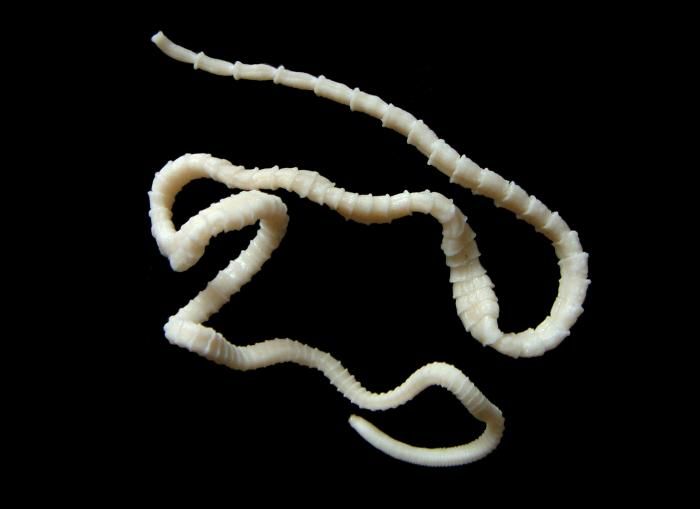
A tape worm infestation is considered
endoparasitism
ectoparasitism
predator-prey relation ship

Ex: Bacteria, Fungi

If the plant has 14,000 J, how much will the Eagle get?

Which organism will receive the LEAST amount of energy in this
food web?
An ecologists would study
reasons for frog deaths in a pond
effects of a forest fire
how pesticides affect bees
All of these.

A dog eats plant and animal products for food. Dogs are
carnivores
producers
omnivores
herbivores

What is the largest reservoir for nitrogen?
the ocean
rocks and minerals
the atmosphere
bacteria
In an ecosystem, what happens to the atoms of certain chemical elements, such as carbon, oxygen, and nitrogen?
They move into and out of living systems.
They are only found in abiotic factors.
They move out of living systems and do not return.
They move into living systems and remain there.
Nitrogen fixation is the process in which certain bacteria convert nitrogen gas into
liquid nitrogen
nitrates
nitrites
ammonia
These organisms typically live in unstable, unpredictable environments & are able to reproduce rapidly (exponentially). They do not take care of their young & are subject to predation.
k-strategist
r-strategist
m-strategist
s-strategist
These organisms occupy stable environments, are larger in size and have longer life expectancies. They produce, during their life spans, fewer offspring, but place a greater investment in each.
k-strategist
r-strategist
m-strategist
s-strategist

Describes organisms with a high death rate (or low survivorship rate) immediately following birth. Examples include bacteria, fishes, and invertebrates.
Type I
Type II
Type III
Type IV

Which organism in the food web shown to the right would
contain the lowest concentration of chemical pollutants?
producers
primary consumers
secondary consumers
tertiary consumers
The phenomenon by which toxins concentrate in the organisms at higher trophic levels within an ecosystem is known as...
Biotoxicity
Biomagnification
Eutrophication
Predation

