
 Worksheets
Bio 1 - Unit 6 - Evolution Unit Review
Total questions: 69
Worksheet time: 2hrs 33mins

Who was the Scientist most famous for his study of natural selection and evolution?
Theodor Schwann
Robert Hooke
Charles Darwin
Rudolf Virchow

What is the process in which populations CHANGE gradually over time?
evolution
species
variation
competition

What do you call similar structures that related species have inherited from a common ancestor?
Natural Selection
Analogous Structure
Vestigial Structure
Homologous Structure

What do we call structures that no longer perform their original function?
Natural Selection
Analogous Structure
Vestigial Structure
Homologous Structure

What do you call a characteristic that allows an organism to survive in an environment?
variation
adaptation
selection
overproduction

Hibernation is an example of which type of adaptation?
Behavioral Adaptation
Physical Adaptation

Beak shape, camouflage, and webbed feet are all examples of which type of adaptation?
Behavioral Adaptation
Physical Adaptation

Select ALL that show evidence of evolution.
DNA
mutations
fossils
skeletal structures
Parrots are tropical birds. However, in some areas of New York City, some parrots have been able to survive outdoors year-round. These parrots survive, while most others cannot, due to
overproduction of offspring
extinction of previous species
asexual reproduction of parrots with a mutation
a variation that allows these parrots to live in colder climates
In the past, humans developed varieties of dogs, such as the German shepherd and the bearded collie, using
selective breeding for particular traits
recombination of genes during mitosis
mutations present only in body cells
natural selection of favorable traits

The overall changes in the population of mice can be explained best by
natural selection
succession
reproduction
extinction
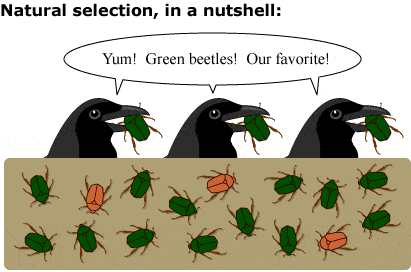

Starting in 1954, commercial fishers in the northwest Pacific were paid by weight, rather than by the individual fish, for pink salmon. The fishers increased the use of a type of net that selectively catches larger fish. Which of the following effects did this change in fishing technique most likely have on the salmon population over the next 20 years?
The average body size of the salmon population decreased significantly.
The average body size of the salmon population increased significantly.
The average body size of the males in the salmon population increased, and the females stayed the same.


A change in a species over time is known as:
Evolution
Genetics
Biodiversity
Biological inclusion
A type of evolution on a small scale that affects a species or a population, such as developing antibiotic resistance
Equilibrium
Gradualism
Macroevolution
Microevolution
A type of large scale evolution where one species can serve as an ancestor to one or more new species that usually takes a very long period of time
Microevolution
Equilibrium
Macroevolution
Genetic variation
Genetic variation among offspring is caused by:
Sexual reproduction
Crossing over and independent assortment in Meiosis
Mutations in gamete DNA
All of these
Which term is best described as organisms that have the adaptations best suited to their environment tend to survive and have more offspring.
Natural Selection
Genetic Drift
Gene Flow
Evolution
Traits in a population that increase survival changes eventually become more prevalent in a population because
They are the dominant traits
They are recessive alleles carried by all organisms
The members of the population with those traits survive to breed
The members with the traits die off
Moths with black wings make up nearly 80% of a population, while moths with white wings make up only 20%. 65 years ago, white wings were seen in nearly 75% of the population, and black wings were less common. What might account for this?
Black moths move faster now, so they can more easily evade predation by owls
Factories put out soot, which makes the usually white tree trunks where moths live turn black, so owls see the white moths better
The white moths are not as tasty, so owls avoid them
The black moths are more tasty so owl seek them more
Even though they may not make sense to us, traits that increase and organism's_____________, are most favorable in a population.
Reproductive success
Ability to get food
Ability to find shelter
Evasion abilities
Two populations of different bird species were studied. It was found that there were 57 genetic differences found in species A and 37 differences in species B. Which species is more likely to survive as the environment changes?
Species A, because more genetic variation increases the chances that some members survive
Species B, because fewer genetic variation increases the chances that some members survive
They will have the same chances for survival because survival is random
It is impossible to tell from this information
Often times, a mating pair in a species will produce many offspring, even more than the 2 required to replace themselves. This is because not all offspring survive and is known as:
Variation
Adaptation
Overproduction
Descent with modification
In Darwin's finches, all the birds of the same species do not have the exact same sized beak. This is known as:
Variation
Adaptation
Overproduction
Descent with modification
Darwin discovered that all of his finches likely had a common ancestor from the main land, but the beaks of each species of the birds he studied on each island varied based on the food available to them there - this is known as
Variation
Adaptation
Overproduction
Descent with modification
In the 1970's researchers picked up from Dawrin's Galapagos finch studies. Over a 10 year period, one particular island received less rain, and the seeds become larger and harder to crack. Upon measuring the beaks of one species of finch on the island, they discovered that the average beak size in in the population had increased, likely to better crack the larger seeds. This is an example of:
Variation
Adaptation
Overproduction
Descent with modification
4 species are compared:
Species A reproduces asexually every 10 days, producing 100 offspring at a time.
Species B reproduces sexually every 10 days, producing 100 offspring at a time
Species C reproduces asexually every 22 days, producing 11 offspring at a time.
Species D reproduces sexually every 22 days, producing 11 offspring at a time.
**Which species has a a better chance of surviving environmental change?
Species A
Species B
Species C
Species D

This image is an example of:
Genetic drift
Gene flow
Convergent evolution
Divergent evolution
In a population of rats, a mutation has developed that makes the rats fur white. The soil that the rats frequent for food is black in color and the white rats do not live long due to the presence of Owls. What will happen to the allele for white fur allele?
The allele will increase in the population since it is beneficial
The allele will decrease in the population since it is beneficial
The allele will decrease in the population since it is not beneficial
The allele will increase in the population since it is not beneficial

Imagine that the sprinkles in each container represents an individual of the population in that area. Which population will be less likely to survive a change in the environment?
Population A
Population B
Both will survive equally
Neither will survive
In a rapid early ice age, many species died out that had persisted for a very long period of stable environmental conditions. After a long ice age, volcanoes emerged from the ice, filling the atmosphere with gasses, which trapped the sun's heat, warming the earth. The fossil record shows thousands of new species emerged during this time, seemingly all at once, calling it the Cambrian Explosion. This is best known as:
Gradualism
Punctuated Equilibrium
Hardy-weinburg principle
Adaptive radiation
Birds and insects both fly, but do not seem to share a recent common ancestor, and their win structures are very different. This is the result of:
Co-evolution
Convergent evolution
Divergent evolution
Homologous structures
The Hardy-Weinburg principle includes each of these except:
No natural selection
No gene flow
Random mating
Genetic drift
When one ancestral species gives rise to multiple species that are different from one another, this is known as:
Convergent evolution
Co-evolution
Divergent evolution
Natural Selection
A large valley opens up after an earthquake, separating a population of snakes. The 2 separated snake populations have different allele frequencies, and over many years, become more and more different from one another. What caused them to change?
Geographic isolation
Adaptive radiation
Convergent evolution
Co-evolution
In some snake species, there are remnants of leg and arm bones, even though snakes do not have arms and legs. These are known as what kind of structures?
Analogous
Homologous
Vestigial
Remnant
In whale flippers, we see the same bones that humans have in their arms, just in different proportions (length and size) as their mammal ancestors lived on land. This also demonstrates that we share a distant common ancestor with whales. These are known as what kind of structures?
Analogous
Homologous
Vestigial
Remnant

Which organism seems to be most closely related to humans?
Chicken
Rabbit
Tortoise
Fish
Which line of evidence for biological evolution is studied by paleontologists?
Fossil evidence
Biochemical evidence
Embryological evidence
Anatomical evidence

This image shows 3 different ways to draw the same phylogenetic tree to represent the evolutionary history of these species. Which 2 species are most different from species E?
A and B
C and D
A and C
B and C
Species A has 47 genes in common with Species B and 64 genes in common with Species C. Species D has 21 genes in common with Species B and 82 Species in common with species C. Which of these statements are correct
Species A and species C share a more recent common ancestor that species C and species D
Species B shares a more common ancestor with species D than than species D and species C.
Species D and species C share the most recent common ancestor among all species listed
Species C and species A share the most recent common ancestor among all species listed
What is the study of organisms at the early stages of development?
DNA studies
Comparative Embryology
Extinction
Fossil Record

What does the image represent?
Founder effect
Bottleneck effect
Mutation
Natural Selection
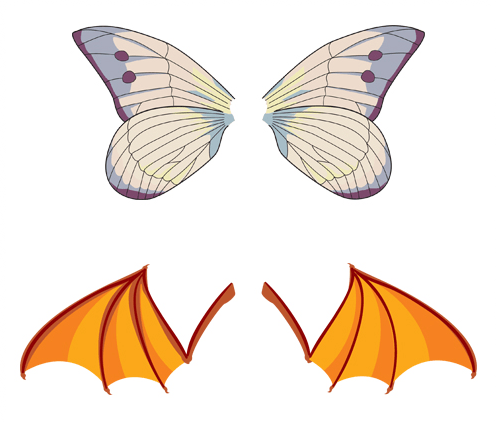
Body parts that share a common function, but not structure would be considered
Homologous structure
Analogous structure
Structural adaption
Functional adaption
Combined alleles of all individuals in a population is called
phenothype
gene pool
mutation rate
allele frequency
Which of the following must occur for speciation to happen?
geographic isolation
reproductive isolation
temporal isolation
behavioral isolation
The lava released by a volcanic eruption separates two populations of a species of monkey. What does this represent?
biological isolation
geographical isolation
temporal isolation
anatomical isolation
Gentoo penguins will present a mate with a pebble that they find to attract a mate. Emperor penguins have a specific call and movement that they make to attract a mate. Which type of isolation do these penguins demonstrate?
temporal isolation
behavioral isolation
geographical isolation
anatomical isolation
Which is an example of temporal isolation?
flowers that bloom in different months
birds that have different mating calls
fruit flies that mate in different locations
squirrels that have different fur colors
When individuals choose traits possessed by the opposite sex it is called…
Mutation
Gene Flow
Genetic Drift
Sexual Selection

Genetic Drift:
Happens Randomly
Decreases the Genetic Diversity of Populations
Does NOT 'select' the most adapted individual
Has the most drastic affect on smaller populations
In convergent evolution, organisms share physical similarities because they
have a common ancestor
live in the same environment
develop homologous structures
are closely related

Cichlid fishes in lakes of the East African Rift. The lakes in this area are believed to support and sustain about 2,000 different species of these fish, each with different ecological and morphological characteristics such as body size. These lakes form a fragmented landscape that bio-geographically isolates the different species of cichlid fish from one another, allowing them, and many of the organisms they live with, to evolve separately.
Co-evolution
Adaptive Radiation
Convergent Evolution
Divergent Evolution

