
 Worksheets
Chapter 11 Practice Review Test: Chemical Bonds
Total questions: 40
Worksheet time: 29mins
A positively or negatively charged particle.
covalent bond
ion
oxidation number
subscript
A chemical bond between oppositely charged ions.
Covalent bonds
Ionic Bonds
Ion
Compound
If an element gives away an electron, what type of charge will it have?
Positive.
Negative.
Neutral.
If an element gains an electron, what type of charge will it have
Positive.
Negative.
Neutral.



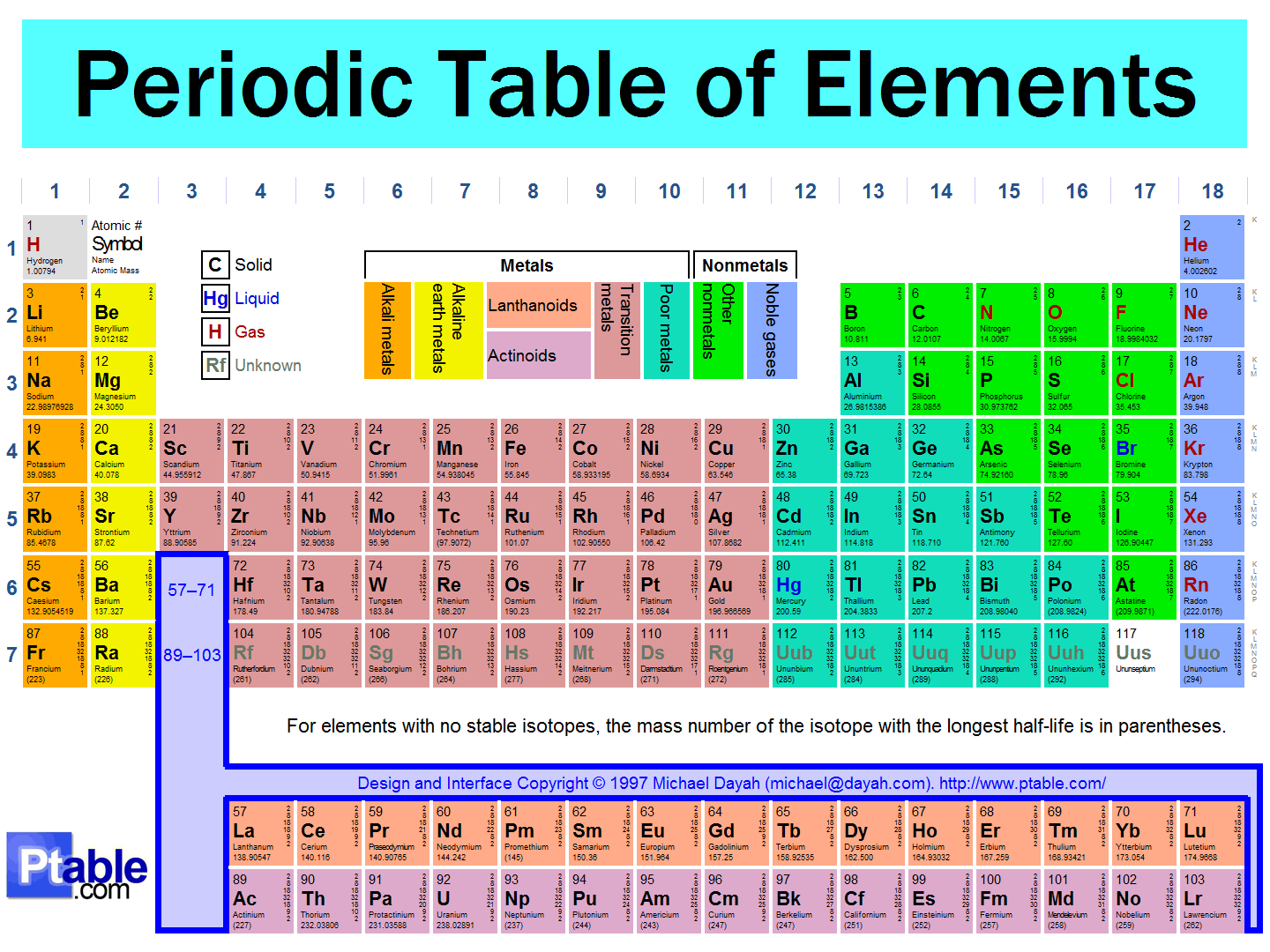

How many valence electrons does Oxygen (O) have?
6
8
15
16
An ionic bond is the attraction between
similarly charged ions
oppositely charged ions
neutral ions
neutral atoms
In what form can an ionic compound conduct electricity?
as a solid
when dissolved in water
as a crystal
when warmed slightly
Which of the following terms means that metals can be pulled into thin strands or wires?
polar
alloy
ductile
malleable
Which group of elements is the most stable?
metals
metalloids
nonmetals
noble gases
Which is the correct electron dot diagram for boron, one of the group 13 elements?


What chemical bonds typically have a low melting point?
metallic
ionic
covalent
Why are metals good at conducting electricity?
They have extra electrons.
They don't have enough electrons.
They have free flowing valence electrons.
What types of compounds can dissolve fairly quickly in water?
ionic bonds
covalent bonds
James Bond
metallic bonds
E- involved in bonding between atoms are
valence e-
inside the nucleus
closest to the nucleus
positively charged
A chemical bond formed when 2 atoms share e- is called a(n)
ionic bond
covalent bond
metallic bond
neutral ions
Which of the following is a property of ionic compounds?
Low melting points
Are brittle crystals
Contain no charged particles
Low boiling points
Which of the following terms means that metals can be rolled into thin sheets:
polar
alloy
ductile
malleable
Which of the following groups contains the most reactive elements?
alkali metals
transition metals
noble gases
carbon family
Which of the following best describes a metal?
metal atoms held together by covalent bonds
metal atoms held together by ionic bonds
positive metal ions surrounded by freely moving valence electrons
neutral metal atoms surrounded by freely moving valence electrons
Ionic compounds that dissolve in water conduct electricity because they break into _________ that move freely.
covalents
ions
metals
elements
How many valence e- does lithium have?
8
11
2
1
How many more valence e- does fluorine need in order to be stable?
7
17
1
8
Where are e- located in the atom?
in a proton
electron cloud
nucleus
Spongebob's pineapple house
A polar bond
shares electrons equally
does not share electrons equally
is a type of ionic bond
is a type of metallic bond
Carbon dioxide shares electrons equally, so it is considered to be what type of molecule?
ionic
metallic
polar
nonpolar
Bonds that form between 2 nonmetals are usually:
metallic
ionic
covalent
What group has 2 valence elctrons?
1
2
12
22
What group has 6 valence electrons?
2
6
16
26
Why are metals such good conductors of heat and electricity?
electrons are shared
free flowing valence e-
electrons stay near the atom
How many more electrons does Bromine need to be stable?Use your P Table.
1
2
3
17
My science test on chemical bonds is:
Thursday
Tomorrow
Sunday
in May
Mrs. Paszkowski loves science.
true
false

