wayground logo

Free Printable Worksheets

Font size

S
M
L
XL
Worksheets

Chemical & Physical Changes

Total questions: 90

Worksheet time: 44mins
Name
Class
Date
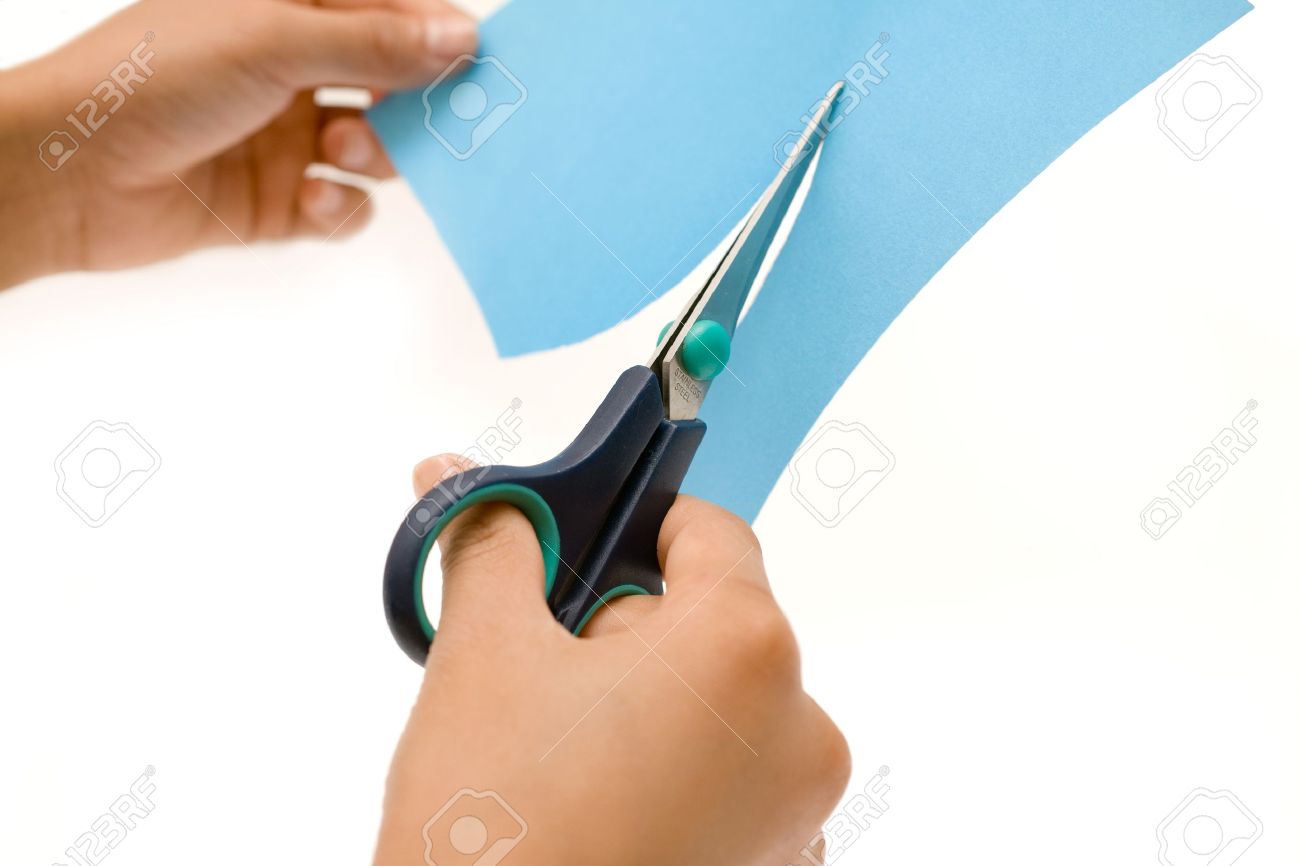
1.

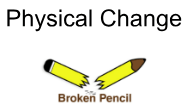
What kind of change is cutting paper?
a)
b)
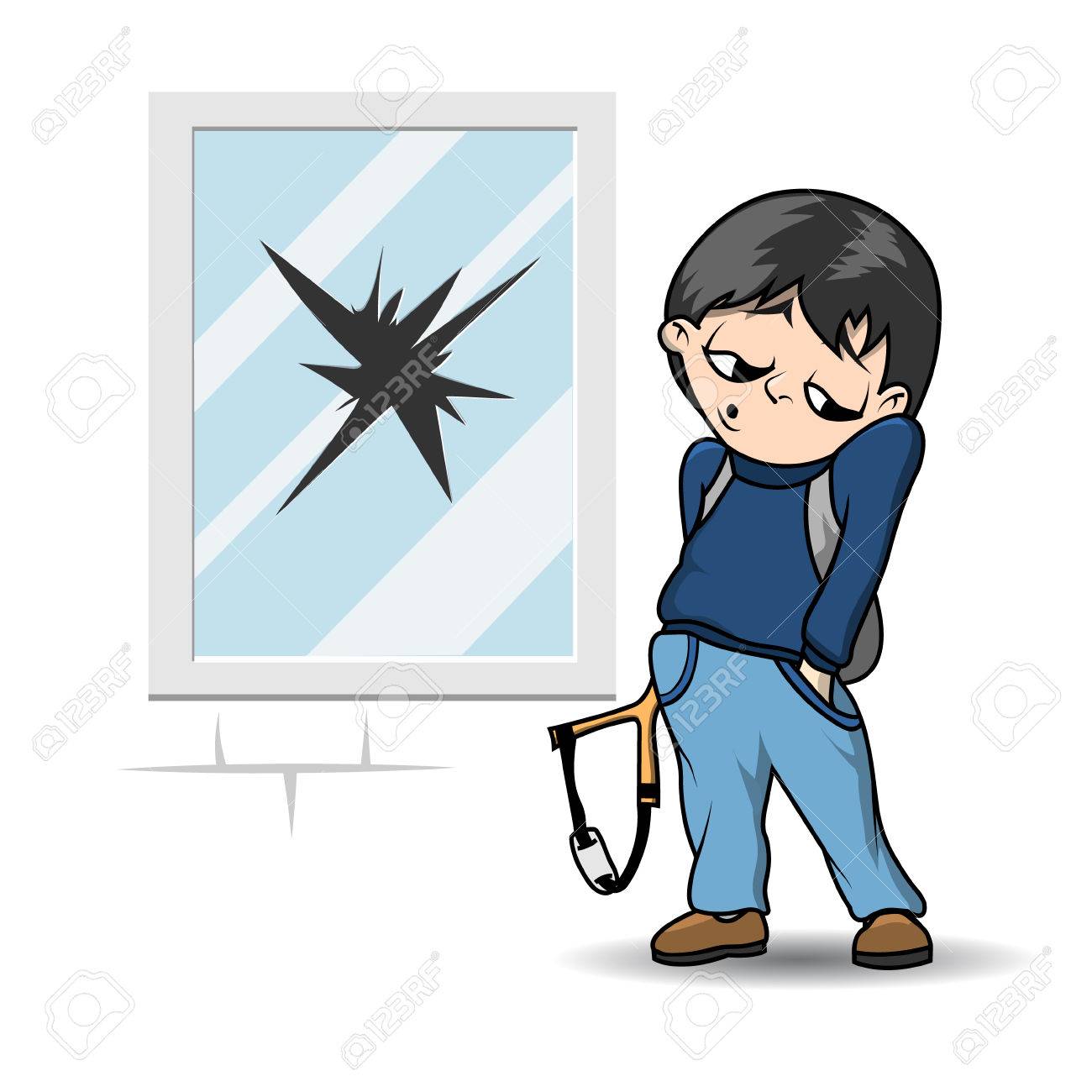
2.

What kind of change is breaking a window?
a)
b)
3.

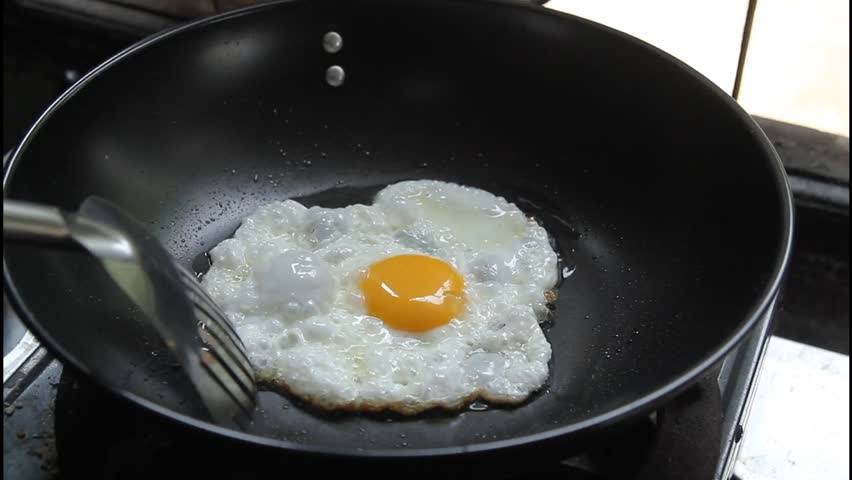
What kind of change is frying an egg?
a)
b)
4.

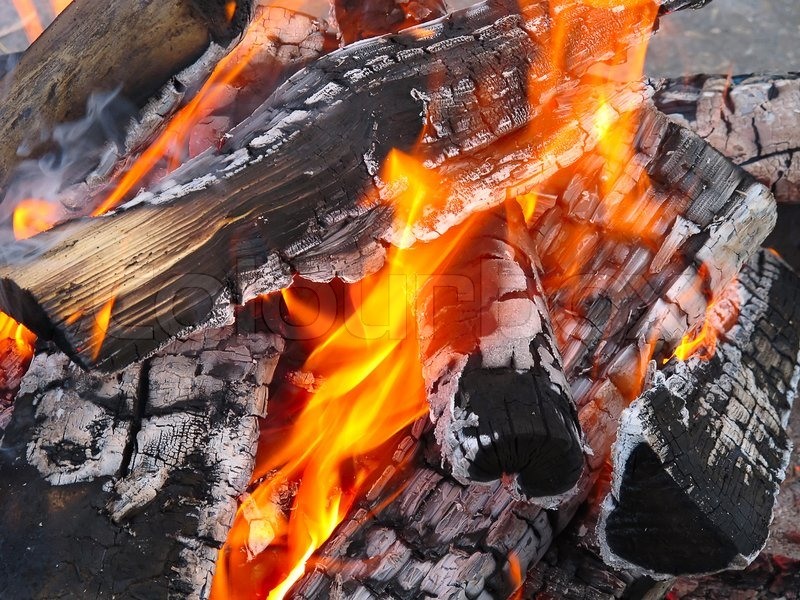
What kind of change is burning wood?

a)
b)
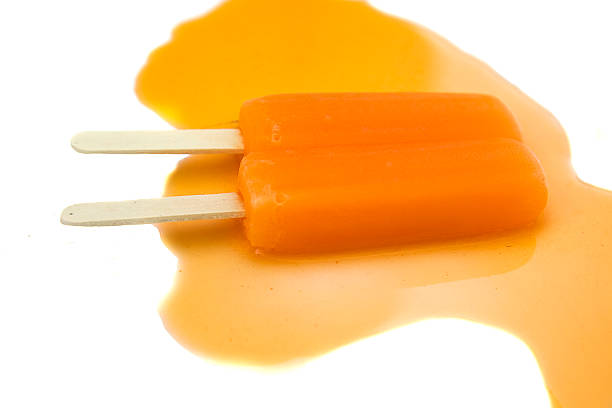
5.

What kind of change is a melting popsicle?
a)
b)
6.

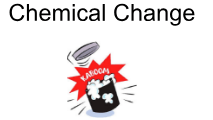
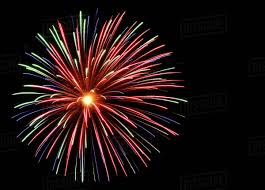
What kind of change is exploding fireworks?

a)
b)
7.

What kind of change is baking a cake?
a)
b)
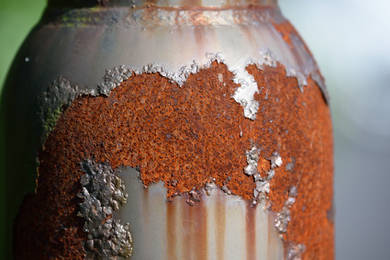
8.

What kind of change is metal rusting?

a)
b)
9.

What kind of change is freezing water into ice cubes?

a)
b)
10.

What kind of change is crushing a soda can?

a)
b)
11.

What kind of change is cutting your hair?

a)
b)
12.

What kind of change is a rotting banana?

a)
b)
13.

What kind of change is toasting bread?

a)
b)
14.

What kind of change is mixing vinegar & baking soda?

a)
b)
15.

What kind of change is squeezing juice out of an orange?

a)
b)
16.
A copper penny turning greenish after a few years is an example of ...
a)
Chemical Change
b)
Physical Change
17.
A change in which NEW substances are formed.
a)
Chemical change
b)
Physical change
c)
Casual change
d)
Formal change
18.
Which of the following is NOT an example of chemical change?
a)
sour milk
b)
burning wood
c)
breaking a pencil
d)
rust
19.
Which of the following IS a physical change?
a)
Getting a haircut
b)
Rusty metal
c)
sour milk
d)
A compound
20.
Is melting butter for popcorn a chemical or physical change?
a)
chemical
b)
physical
21.
Is a rusting bicycle a chemical or physical change?
a)
chemcial
b)
physical
22.
Ripping up paper ...
a)
Chemical Change
b)
Physical Change
23.
A change in phase ...
a)
Chemical Change
b)
Physical Change
24.
Change in size ...
a)
Chemical Change
b)
Physical Change
25.
An explosion occurs ...
a)
Chemical Change
b)
Physical Change
26.
To go back to the substances original states is not possible or you would need to use chemicals. 
a)
Chemical
b)
Physical
27.
Causes a change in odor ...
a)
Chemical Reaction 
b)
Physical Reaction
28.
Evidence of Chemical Change.
a)
New Substance 
b)
Size change
c)
State change
d)
Mixture 
29.
Evidence of a physical change.
a)
New substance
b)
Shape Change
c)
Light produced
d)
Gas released.
30.

Most common element in the atmosphere

a)

Nitrogen

b)

Oxygen

c)

Silicon

d)

Carbon

31.

Oxygen is the _________ element in the atmosphere.

a)

2nd most common

b)

most common

c)

least common

d)

3rd most common

32.

Carbon Dioxide is ......

a)

not an element.

b)

not a gas.

c)

not in the atmosphere.

d)

not real.

33.

______ of the atmosphere is oxygen.

a)

21%

b)

78%

c)

1%

d)

100%

34.

Which is the compound?

a)

A

b)

B

c)

C

35.

Which is the compound?

a)

A

b)

B

c)

C

36.

Which is the element?

a)

A

b)

B

c)

C

37.

Which can be found on the Periodic Table?

a)

A

b)

B

c)

C

38.

Which is a pure substance?

a)

A

b)

B

39.

Which is a mixture?

a)

A

b)

B

40.

Which is a compound?

a)

A

b)

B

c)

C

41.

Which two are molecules?

a)

A and B

b)

B and C

c)

A and C

42.

A is a .....

a)

Pure Substance

b)

Mixture

43.

B is a ....

a)

Pure Substance

b)

Mixture

44.

How may compounds are on the chart?

a)

8

b)

5

c)

4

d)

12

45.

How many single elements are on the table?

a)

8

b)

4

c)

6

d)

9

46.

Which is a compound?

a)

C

b)

A

c)

B

47.

A _____ substance is being formed.

a)

new

b)

old

c)

large

d)

funny

48.

How much of the crust is Oxygen and Silicon?

a)

About 75%

b)

About 50%

c)

About 90%

d)

About 1%

49.

The most abundant element in the crust is ________.

a)

oxygen

b)

silicon

c)

aluminum

d)

iron

50.

____________ elements make up most things on Earth.

a)

Only a few different

b)

An equal number of

c)

Only 4

d)

At least 99

51.

Sodium and Chlorine make the _____ in the ocean.

a)

salt

b)

water

c)

seaweed

d)

fish

52.

Oxygen and Hydrogen make the _____ in the ocean.

a)

salt

b)

water

c)

fish

d)

seaweed

53.

Bubbles are a sign of....

a)

a chemical change.

b)

a physical change.

c)

good things to come.

d)

a long winter.

54.

Which is an indication that a new substance is being formed?

a)

bubbles

b)

clear water

c)

sunlight

d)

air

55.

Why isn't Carbon Dioxide on the Periodic Table?

a)

It is not an element.

b)

It is an element.

c)

It isn't real.

d)

It is a gas.

56.

Carbon Dioxide is a _______.

a)

compound

b)

element

c)

mixture

57.

Which isn't an element?

a)

Water

b)

Silicon

c)

Hydrogen

d)

Silver

58.

How many different types of molecules are pictured?

a)

2

b)

3

c)

4

d)

8

59.
Which is a PURE substance composed of the SAME type of atom
a)
atom
b)
substance
c)
element
60.
A substance made of TWO or more elements that are CHEMICALLY combined in fixed amounts is...
a)
Substance
b)
Element
c)
Compound
61.
Which is a characteristic that can be OBSERVED or MEASURED without changing the substance (such as color, melting point, or conductivity)?
a)
Physical Property
b)
Chemical Property
62.
Physical and chemical characteristics of matter used to describe or identify a substance are...
a)
Properties
b)
Substance
c)
Element
63.
A CHANGE that alters (changes) the identity of a substance and results in a NEW substance with DIFFERENT properties.
a)
Chemical Change
b)
Physical Change
64.
A CHANGE to a substance that occurs without forming a NEW substance, such as change of size or state of matter.
a)
Physical Change
b)
Chemical Change
65.
Anything that has MASS and takes up SPACE is called...
a)
substance
b)
compound
c)
matter
d)
mass
66.
Evidence of the release of energy during a CHEMICAL CHANGE is...
a)
Production of Precipitate
b)
Production of Gas
c)
Production of Heat or Light
67.

A precipitate is a _____ formed from two liquids.

a)

solid

b)

liquid

c)

gas

68.

Formation of a precipitate is a _____ change.

a)

chemical

b)

physical

69.

An ______ color change is an example of a chemical change.

a)

unexpected

b)

interesting

c)

pretty

d)

expected

70.

Where is this compound found?

a)

In the ocean

b)

In the air

c)

In the crust

d)

In space

71.

Melting is an example of a ___________ change.

a)

physical

b)

chemical

72.

We know that a chemical change has occurred because the color change is ____________.

a)

unexpected.

b)

really cool.

c)

fast.

d)

mesmorizing.

73.

In this chemical reaction, a ______ _______ has formed.

a)

new substance

b)

clear liquid

c)

hot liquid

d)

cup of coffee

74.

If the temperature changes when mixing these substances, a ___________ has formed.

a)

new substance

b)

old substance

c)

sweet substance

d)

cold substance

75.
Silver
a)
Si
b)
S
c)
E
d)
Ag
76.
What is the chemical symbol for Calcium?
a)
C
b)
Ca
c)
Cal
77.
What is the chemical symbol for Carbon?
a)
C
b)
Ca
c)
Car
78.
What is the chemical symbol for Nitrogen?
a)
N
b)
Ni
c)
No
79.
What is the chemical symbol for Oxygen?
a)
O
b)
Ox
c)
Oy
80.
What is the chemical symbol for Chlorine?
a)
C
b)
Ch
c)
Cl
81.
What is the chemical symbol for Silicon?
a)
S
b)
Si
c)
Sc
82.
How many Oxygen are in H2O?
a)
1
b)
2
c)
0
d)
4
83.

How many atoms of Carbon are in this formula? C6 H12O6C_{6\ }H_{12}O_6  

a)

6

b)

1

c)

12

84.

Which element has the greatest number of atoms?  AgNO3AgNO_3  

a)

Silver

b)

Gold

c)

Nitrogen

d)

Oxygen

85.

Why isn't oxygen considered a compund?

a)

Because it has two of the same atoms

b)

Because it has different atoms

c)

Because it two atoms

d)

Because it doesn't have atoms

86.

Photosynthesis is an example of a _______ change.

a)

chemical

b)

reversible

c)

physical

d)

chemisical

87.

Unlike a chemical change, a physical change can be _________.

a)

reversed

b)

recorded

c)

relocated

d)

retried

88.

Which is one explanation of why exploding dynamite is a chemical change?

a)

It is not reversible.

b)

It is reversible.

c)

It is not dangerous

d)

It is dangerous

89.

Select the element.

a)
b)
c)
d)
90.

This is a(n)....

a)

compound

b)

element

c)

salt molecule

d)

water molecule