
 Worksheets
Science (Reflection, Refraction and Colours)
Total questions: 38
Worksheet time: 22mins
Reflection is when light...
Bends
Bounces
Absorbs
transmits
Refraction is when light...
Bounces
Transmits
Bends
Absorbs
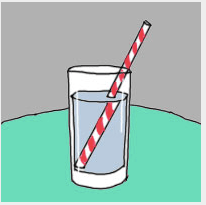
Why does the straw appear to be bent?
light is reflected
light is absorbed
light is turned
light is refracted
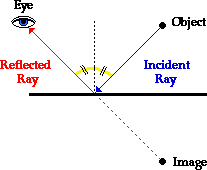
What is the angle of reflection equal to?
The angle of refraction
The angle of incidence
The angle of absorption
The angle of light

What might explain why light travels in a straight line?
If there is nothing to interfere with light waves, they should travel in a straight line.
Light waves will always travel in a straight line, even if they come into contact with another object.
Light waves don't travel in a straight line.
Light waves travel in a straight line because sound waves travel in a straight line.

What is the angle of incidence?
The angle at which light bends in water.
The angle at which light hits a surface.
The angle at which light is absorbed by an object.
The angle at which light bounces off a surface.
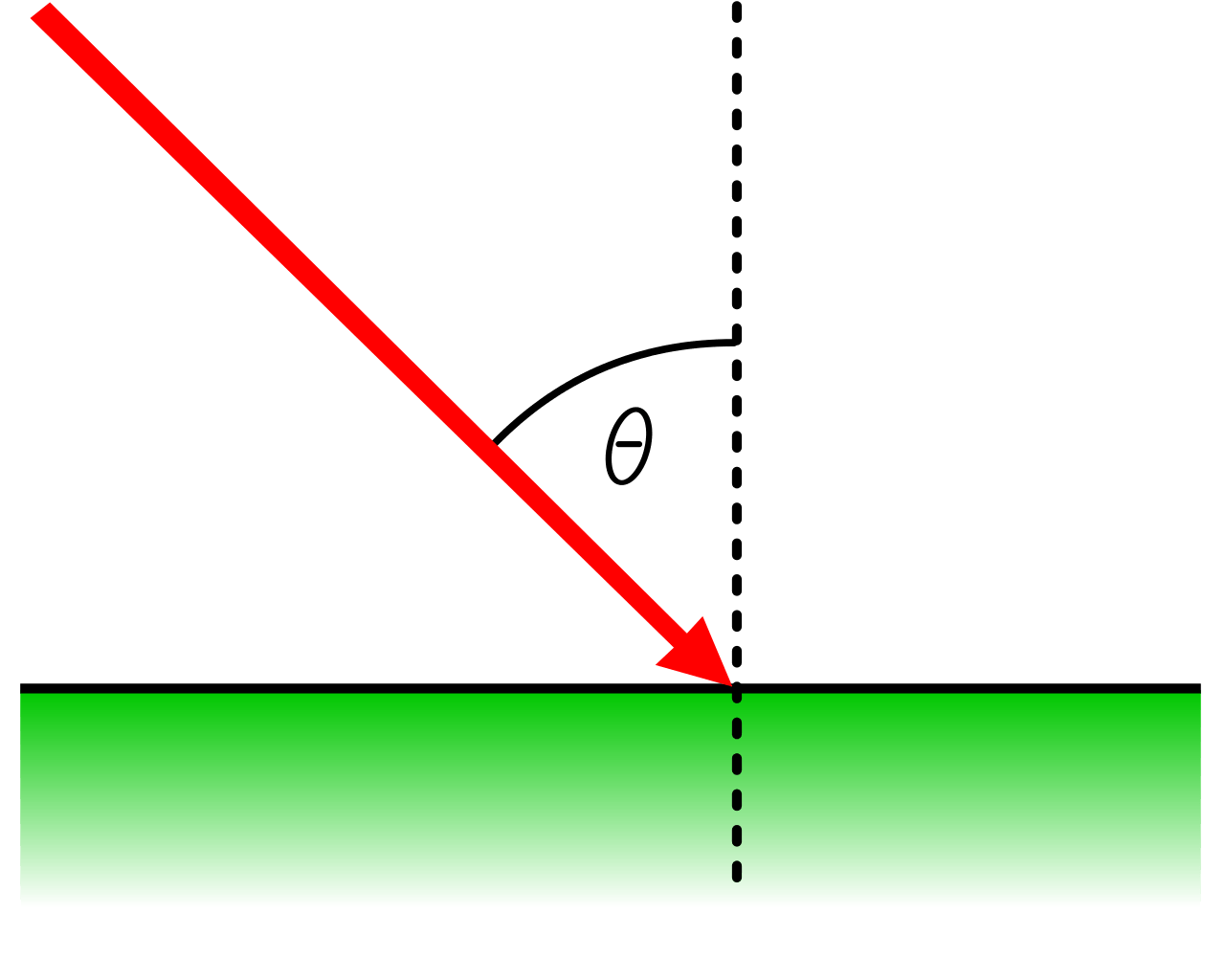

What is the angle of reflection (θr) in the image?
56o
90o
124o
34o
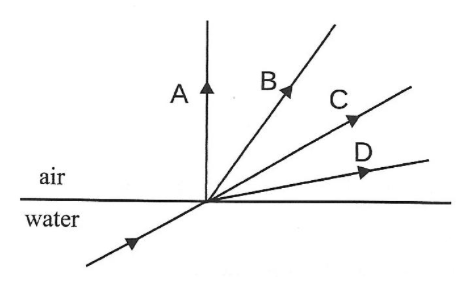
A light ray is incident from water to air. Which of the refracted rays is correct?
A
B
C
D


A leaf is green. What does this tell you about the light that is being absorbed?
The light is a UV ray.
The light is not a part of the light spectrum.
All colors are reflected except green.
All colors are absorbed except green


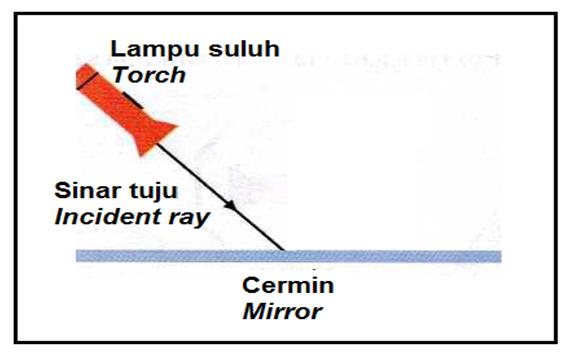
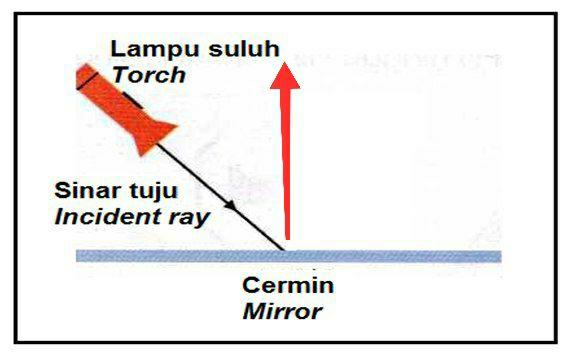
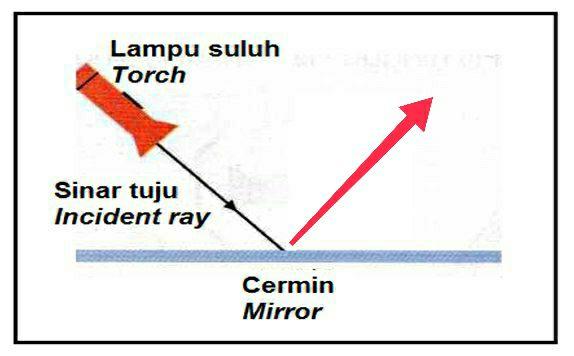
The following diagram shows the ray diagram when a torch light is torched towards a mirror. Which of the following is the correct reflected ray?
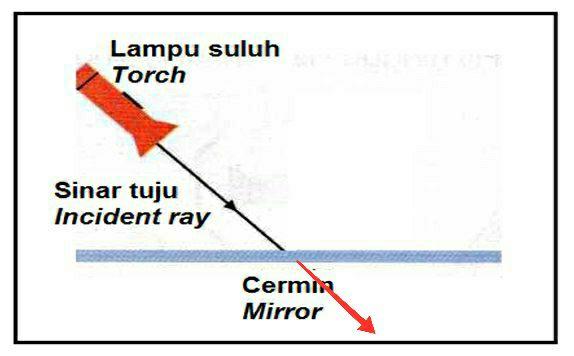
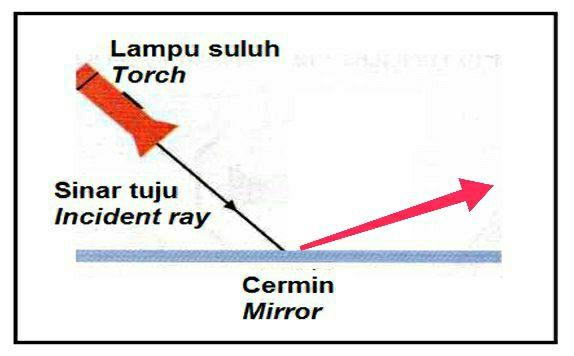

Which of the following shows that light travels in a straight line? Tick the correct answers.
A
B
C
D
E

Which of the following shows the principle of light refraction? Tick the correct answers.
A
B
D
E
F
flint glass n=1.70
barium glass n=1.60
crown glass n=1.523
water n=1.33
diamond n=2.45

A student does the experiment on tracing the path of a ray of light passing through a rectangular glass slab for different angles of incidence. He can get a correct measure of the angle of incidence and the angle of emergence by following the labelling indicated in figure:
I
II
III
IV
The type of mirror used in reflector in automobile lights is
Plane mirror
Concave mirror
Convex mirror
None of the above
Which pair of colours do NOT combine to make the correct secondary colours?
Red + Blue = Magenta
Red + Green = Yellow
Blue + Green = Cyan
blue + Green = Yellow


Why is red light is at the top whileviolet at the bottom of the spectrum?
Violet light has the medium speed so it is refracted the least.
Violet light has the highest speed so it is refracted the least
Red light has the slowest speed so it is refracted the least
Red light has the highest speed so it is refracted the least.
We are able to see the moon because it ____________
gives out light
glows
reflects light from the sun
reflects light from the earth

If a capital letter R is seen in an ordinary mirror, what does it look like?
Refraction occurs when light changes its
Speed only
Direction
Speed and direction
Speed and color

what are the three primary colours
cyan, magenta, yellow
pink, orange, purple
blue,green, red
yellow, red, blue
red + blue light =
cyan
pink
magenta
blue

What is the object helps navy personnel in a submarine to see an object at the surface at the sea?
periscope
hand held mirror
plane mirror
dental mirror
What is the relation between refractive index and the optical density?
More refractive index more is the density.
More refractive index less is the density
Less refractive index more is the density
No relation between refractive index and optical density
How the pond appears to be, when it is seen from outside?
Seems Deeper
Seems shallower
Seems very deep
No change is there
What is the relation between angle of incidence and angle of refraction when light goes from optically rarer to denser
Angle I is equal to angle r
Angle I is greater than angle r
Angle I is less than angle r
No relation between these angles
Which of the following is used as a shaving mirror?
convex
concave
plane
all of the above
Which of the following mirror is used for rear view in vehicles?
convex
concave
plane
all

