
Font size
 Worksheets
Science 5: The way we see
Total questions: 70
Worksheet time: 1hrs 10mins
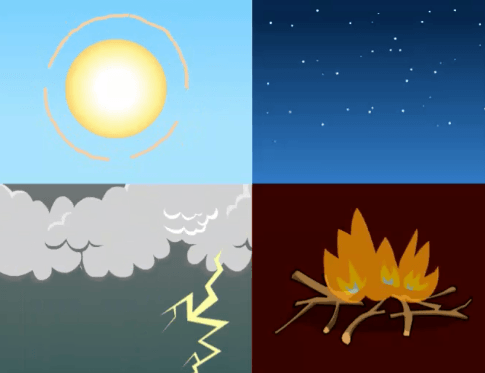
Which of these are examples of natural light sources?
Sun
Stars
Lightning
All of them
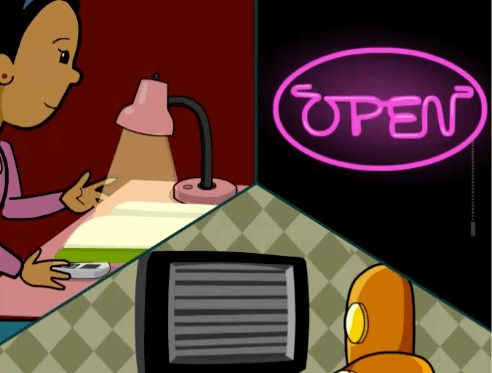
Which of these are examples of man-made light sources?
Lightbulb
Neon sign
Television
All of them
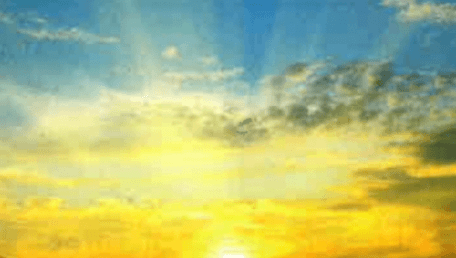
A line that light travels in is called a _________
light source
light ray
light wave
light reflected
You are enabled to see objects because _________________.
light travels out of your eyes and onto an object.
light travels out of an object.
light reflects off of an object and into your eyes.
light brightens up objects.
What is light?
It is a form of energy that _______________.
enables us to see
makes us warm
helps object to move
protects Earth from heat

Which of these is our main source of light?
Lightbulbs
The Sun
Fire
All of them

This insect is a natural source of light. Can you tell what insect it is?
Mosquito
Dragon fly
Fire fly
Beetle
Which of the living thing below doesn't produce own light?


Light always travels in a ____________ line.
straight
curved
elliptical
none
The intensity of the light can be measured using a _______________.
intensity
volt meter
stop watch
light meter
Which place will have the highest light intesity during sunny clear daytime?
in the attic
in the storage room
in the classroom
at the school yard
The unit of light intensity.
Meter
lamp
lux
volt
1. Objects which can give light is called ...
Light sources
Sunlight
Magnetic things
Reflection
4. We can see light sources because light travels from the light sources and ......
enters our eyes
goes away from eyes
turns around the sun
receives the light
6. Our eyes has to receive light in order for us to ...
hear
listen
see
taste
7. A profession or a worker who uses a light meter to take a good photo is ....
Fisherman
Doctor
Farmer
Photographer
8. Here is one of natural light sources is ...
Fireflies
Torch
Lamp
Candle
10. A mirror can ..... light
reflect
make
give
have
11. We can see mirror and the other objects that do not give off light because ...
They don't reflect light into our eyes
They reflect light into our eyes
They have light sources
They have measurement
12. We can see the moon shines because it reflects light from ...
The Sun
The Earth
The Star
Animals
13. We can see our reflection through these objects, EXCEPT...
Spoon
Glass
Mirror
Blanket
14. Which statement is true?
We can see our reflection through a paper.
The objects that have smooth surface will not reflect the light well.
The objects that have rough surface can reflect light well.
The objects that have smooth surface can reflect light well.
15. The object can reflect light well is ...
paper
toy block
towel
spoon
16. Here is the object that can not reflect light well ...


19. Why we can not see our reflections in a piece of paper?
Because the light falls in many different direction.
Because it has smooth surface.
Because it has light.
Because it is magnetic object.
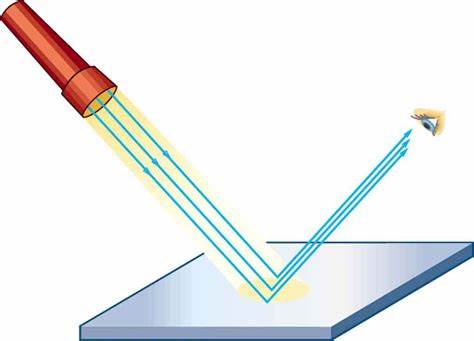
Scientists use mirrors to study reflection. When a light ray hits a mirror, it reflects off at the same angle as it hits the mirror.
True
False

What is shown in the picture.
Source of light.
Reflection of light.
Refraction of light.
How do we see things?
When light is reflected.
When we open our eyes.
When we close our eyes.
When the light hits a transparent object:
All light passes through it.
No light passes through it.
Some light passes through it.
When light hits an opaque object.
The shadow is made.
It passes through it.
We get energy
Shadow becomes bigger when:
We fix the light source far from the object.
We bring the light source near to the object.
When we switch off the light.

Which object is shown in the picture?
Translucent
Opaque
Transparent

Which object is shown in the picture.
Translucent
Opaque
Transparent
what are luminous objects?
objects that make their own light
objects that reflect light
objects that let light pass through
objects that block light
what is reflection?
when light is absorbed by a object
when the light bounces off a surface
when light is given out of an object
when the light is stoped
what happens to light when the light hits a mirror?
nothing happens
becomes a light source
changes the direction of the light
break the mirror
how can you see the objects behind you with a mirror?
we look into the mirror
the light make you see everything
the light travels directly to the mirror and hits the object behind you and then you can see.
the light from a source travels and reflects off the object behind you and hits the mirror and then the the mirror reflects the light into your eye
do all objects reflect light?
yes
no
if a surface reflects light well then...
you can see yourself
it absorbs light
has a rough surface

What is the correct order of what happens when our eyes see the flower in the picture:
1. the light bounces off,
2. the light enters the boy's eyes,
3. the sunlight hits the flower.
1-2-3
2-1-3
3-1-2
None of these
Why do mirrors reflect light well?
Because you can see your face in one.
They are a light source.
They are used in periscopes.
They have a shiny surface.

The law of reflection involves two light rays. What are they?
incident and reflected
light and dark
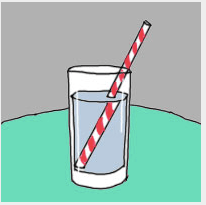
Why does the straw appear to be bent?
light is reflected
light is absorbed
light is turned
light is refracted
When light passes from air to water, what happens to the speed of the light?
speeds up
slows down
stays the same

What is the best explanation for Mickey seeing himself in the mirror?
refraction
absorbed
reflection
flipped
What is the angle of mirror in periscope
35
45
55
65
How does periscope works?
A periscope works by using two mirrors to reflect light from one mirror to another for the person to see the things that is behind a high obstacle.
It works by using one mirror to reflect for us to see things behind a high obstacle.
It works by using one glass to reflect for us to see things behind a high obstacle.
How many mirrors there are in the periscope?
5
4
3
2
What is the type of mirror use in periscope?
Convex mirror
Concave mirror
Plane mirror
this type of mirror is used in supermarkets to see around bends
concave
convex
plane
window


Mirrors can help us to see things________ us
in front of
beside
behind
above
The driver uses ___________ to see the behind cars
security mirror
rear view mirror
dentist mirror
plane mirror
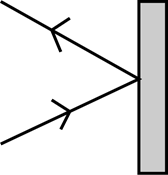
In the illustration, the light ray striking the object is-


How does light behave when hitting this shirt?
Yellow is absorbed; all other colors are reflected.
Yellow is reflected; all other colors are absorbed.
All colors are absorbed, but yellow is refracted.
Yellow is scattered and all other colors are absorbed.

Which color(s) does this filter transmit?
No colors are transmitted.
All colors but green
Only green

How will this object appear when looking at it through a blue filter?
Blue
Green
Black
Orange

Which color will transmit through the filter?
Red only
Blue and Violet
Green
All colors
Which colors make up white light?
Red, Orange, and Yellow
All colors
Reds and Violets
The primary colors of LIGHT are:
red, yellow, blue
yellow, cyan, magenta
red, green, and blue
red, orange, yellow, green, blue, violet
Why does a banana appear to be yellow?
When white light strikes a banana, all colors of light except for yellow are reflect it. Yellow light is absorbed from the banana. You see the banana yellow.
The seven colors are absorbed.
When white light strikes a banana, all colors of light except for yellow are absorbed. Yellow light is reflected from the banana. You see the banana as yellow.
When white light strikes a banana, the yellow and all the other colors are reflected.

