wayground logo

Free Printable Worksheets

NEW

Font size

S
M
L
XL
Worksheets

Unit 8: Simple Circuits Review

Total questions: 47

Worksheet time: 58mins

Name
Class
Date
1.

What type of current supplies electricity in homes and businesses?

a)

conventional current

b)

direct current

c)

potential current

d)

alternating current

2.

What unit equals a Coulomb per second?

a)

watt [W]

b)

joule [J]

c)

ohm [Ω]

d)

amp [A]

3.

What type of current does a calculator battery (size AAA) supply?

a)

direct current

b)

alternating current

c)

conventional current

d)

potential current

4.
Electricity is the flow of _________.
a)
protons
b)
neutrons
c)
electrons
5.

This type of circuit has a broken path and charges cannot flow.

a)

open circuit

b)

closed circuit

6.

This type of circuit has no brakes in its path and charges can flow through.

a)

open circuit

b)

closed circuit

7.

A material that resists the flow of electrical charges

a)

insulator

b)

conductor

c)

series circuit

d)

parallel circuit

e)

circuit

8.

A material that readily allows electric charges to pass through it

a)

insulator

b)

conductor

c)

series circuit

d)

parallel circuit

e)

circuit

9.
Identify the insulator below.
a)
aluminum foil
b)
paperclip
c)
rubber eraser
10.
Identify the conductor below.
a)
cloth rag
b)
plastic bottle
c)
gold ring
11.
A tool that measures voltage, current, resistance, and continuity is called a:
a)
voltmeter
b)
resistor
c)
multimeter
d)
screwdriver
12.

What is not needed in order to create a working circuit?

a)

battery (power source)

b)

lightbulb

c)

current

d)

closed circuit

13.

What is voltage?

a)

the amount of push the electrical source supplies to the circuit

b)

how much a given device resists the flow of electric current

c)

flow of electric charge

d)

none of the above

14.
What is Resistance?
a)
The flow of electrons
b)
Electric potential difference
c)
A battery
d)
The ability to reduce the flow of electrons
15.
What is resistance measured in?
a)
Ω (Ohms)
b)
V (Volts)
c)
A (Amps)
d)
W (Watts)
16.

What is current?

a)

the amount of push the electrical source supplies to the circuit

b)

how much a given device resists the flow of electric current

c)

flow of electric charge

d)

none of the above

17.
What is current measured in?
a)
Ω (Ohms)
b)
V (Volts)
c)
A (Amps)
d)
W (Watts)
18.
How do you calculate voltage?
a)
Current X Resistance
b)
Resistance ÷ Current
c)
Current ÷ Resistance
d)
Measure it with a ruler
19.
How do you calculate resistance?
a)
Voltage X Current
b)
Current ÷ Voltage
c)
Voltage ÷ Current
d)
Current X Amps
20.
The mathematical relationship among Voltage, Current, and Resistance
a)
Faraday's Law
b)
Tesla's Law
c)
Edison's Law
d)
Ohm's Law
21.
If the Voltage is increased and the resistance stays the same, Current will
a)
Increase
b)
Decrease
c)
Stay the same
d)
X
22.

What is the voltage of a circuit with 4 ohms of resistance and 3 amps of current?

a)

12 V

b)

21 V

c)

4/3 V

d)

3/4 V

23.

The current of circuit with a voltage of 12 V and a resistance of 4 ohms is

a)

48 A

b)

3 A

c)

0.3 A

d)

none of these

24.

The voltage of a circuit that has a resistance of 10 ohms and a current of 1.5 A is

a)

15 V

b)

0.15 V

c)

6.7 V

d)

None of these

25.

The resistance of a circuit with 1 A of current and 30 volts of potential difference is

a)

15 Ω

b)

30 Ω

c)

0.03 Ω

d)

None of these

26.
If the battery produced 12.6 Volts and what would be the current flow be for a 6 Ohm resistor
a)
2.1 Amps
b)
2.4 Amps
c)
1.71 Amps
d)
15 Amps
27.
What size resistor would produce a 3 Amp current flow with a 12 Volt battery
a)
1 Ohm
b)
3 Ohms
c)
4 Ohms
d)
12 Ohms
28.
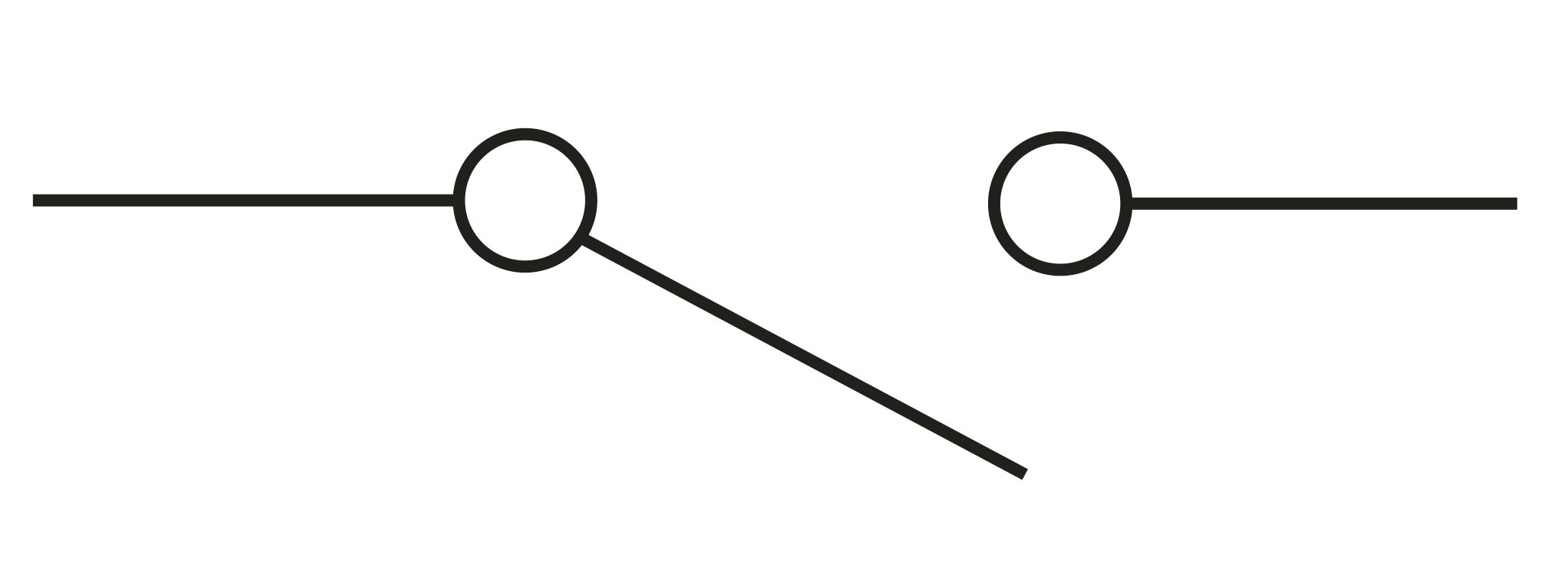
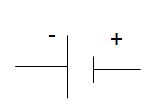
what is this symbol for?
a)
light bulb
b)
switch
c)
battery
d)
resistor
29.
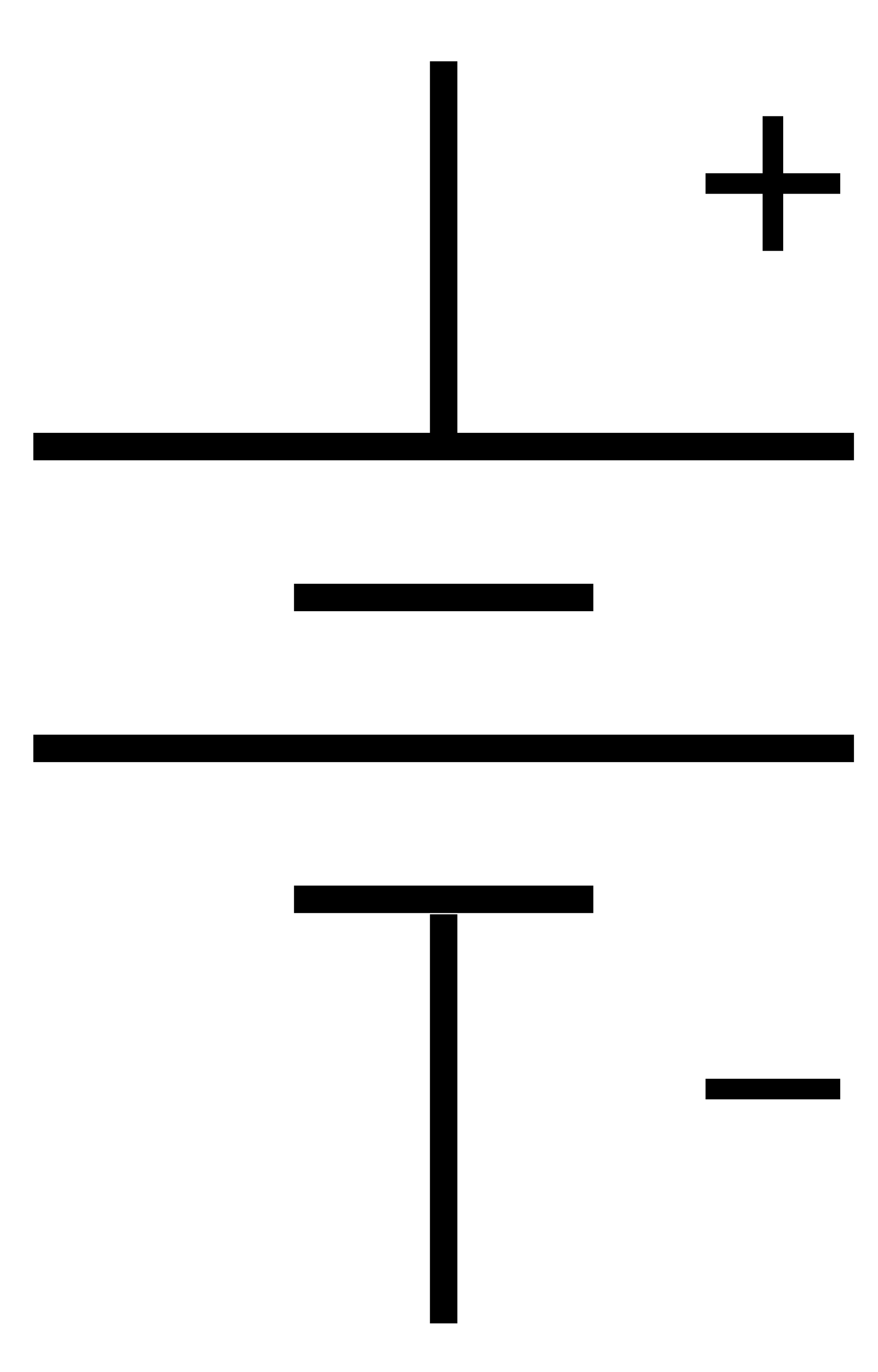
this is the symbol for a _____?
a)
switch
b)
light 
c)
battery
d)
wires
30.

What is constant in a series circuit?

a)

resistance (measured in ohms)

b)

current (measured in amps)

c)

voltage (measured in volts)

d)

power (measured in watts)

31.
Pick the correct sentence.
a)
This circuit will work because it is a closed circuit.
b)
Energy will freely flow in this circuit.
c)
This circuit will not work because there is no energy source.
d)
This circuit will not work because there is no switch.
32.
What is a switch's function in a circuit?
a)
to make the current hotter or colder
b)
turn on and off the flow of current
c)
the pathway that current flows
d)
to add more power to the circuit
33.
What does B represent in the circuit shown
a)
the power source
b)
the switch
c)
the resistor
d)
the light bulb
34.
This instrument can be used to see if materials conduct electricity.  Which of these groups contains items that could all conduct electricity to complete the circuit?
a)
rubber ball, plastic comb, nail
b)
paper clip, penny, screw
c)
cork, dollar bill, tweezers
d)
pencil, eraser, spoon
35.
In order for a circuit to work you need to have
a)
A voltage source
b)
A complete pathway with no breaks in the circuit
c)
A resistor
d)
A voltage source and a complete pathway with no breaks in the circuit
36.
What is the unit for voltage?
a)
volts
b)
amps
c)
ohms
d)
watts
37.
What is the unit for current?
a)
volts
b)
amps
c)
ohms
d)
watts
38.
What is the unit for resistance?
a)
volts
b)
amps
c)
ohms
d)
watts
39.
What does C represent in the circuit shown
a)
the power source
b)
the switch
c)
the resistor
d)
the light bulb
40.
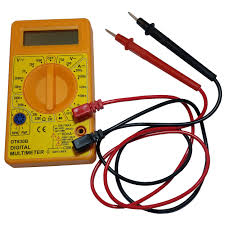
Identify this tool
a)
Digital multimeter
b)
Digital therometer
c)
Digital pedometer
d)
Digital weight scale
41.
Choose the true statement below concerning DC currents:
a)
DC stands for Direct Computing and electrons flow in multiple pathways
b)
DC stands for direct current and electrons flow in multiple directions
c)
DC stands for direct current and the electrons do not flow
d)
DC stands for direct current and the electrons flow in only one direction
42.
Which type of electric current are you using when you turn on your TV at home?
a)
AC
b)
DC
c)
Resistance
d)
Conductive
43.
The tendency for a material to oppose the flow of electrons, changing electrical energy into thermal energy and light.
a)
Voltage
b)
Current
c)
Resistance
d)
Circuit 
44.
The symbol for voltage is: 
a)
Vo
b)
V
c)
W
d)
Amp
45.
A tool that measures voltage, current, resistance, and continuity is called a:
a)
voltmeter
b)
resistor
c)
multimeter
d)
screwdriver
46.

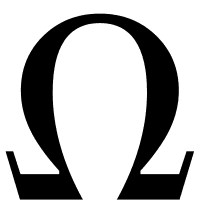
What do you call that symbol?

a)

resistance

b)

current

c)

microfarad

d)

ohm

47.

What does the following symbol represents?

a)

Battery

b)

Resistor

c)

Bulb

d)

Ammeter