
 Worksheets
electricity
Total questions: 44
Worksheet time: 1hrs 9mins
Negative and neutral
2.41 A
2.52 A
2.1 A
0.3333 A
What would happen if in a circuit, the resistance increases but the voltage stays the same?
The current would decrease
The current would increase
The voltage would decrease
The voltage would increase

Solve for the total resistance of the circuit shown
50 V
1970 ohms
705 K ohms
20 Amps

This is a ______ circuit.
Parallel
Series
Open
What will happen if the current path is broken (interrupted) in a series circuit.
It will have no affect.
The current will stop flowing in the entire circuit.
The current will stop flowing in part of the circuit.

If there were voltmeters ( V1 and V2 ) connected across this circuit at the battery and lamps ( L1 and L2 ), how are VS, V1 and V2 related to each other?
VS = V1 = V2
VS = V1 + V2
VS = (V1 + V2)/2
VS = 2(V1 + V2)
The continuous flow of electric charges through a material
electric current
electric circuit
voltage
parallel circuit
What unit is used to measure resistance?
Ohms
watts
Volts
Amps
What is the total circuit resistance of the following five resistors connected in series?
R1 = 27 ohms
R2 = 33 ohms
R3 = 51 ohms
R4 = 1.2 ohms
R5 = 240 ohms
Rt = __________ Ohms
352.2
1551.2
456.2

An equation that states current = voltage / resistance is known as:
potentiometer
Kirchoff's current law
Ohm's law
resistor
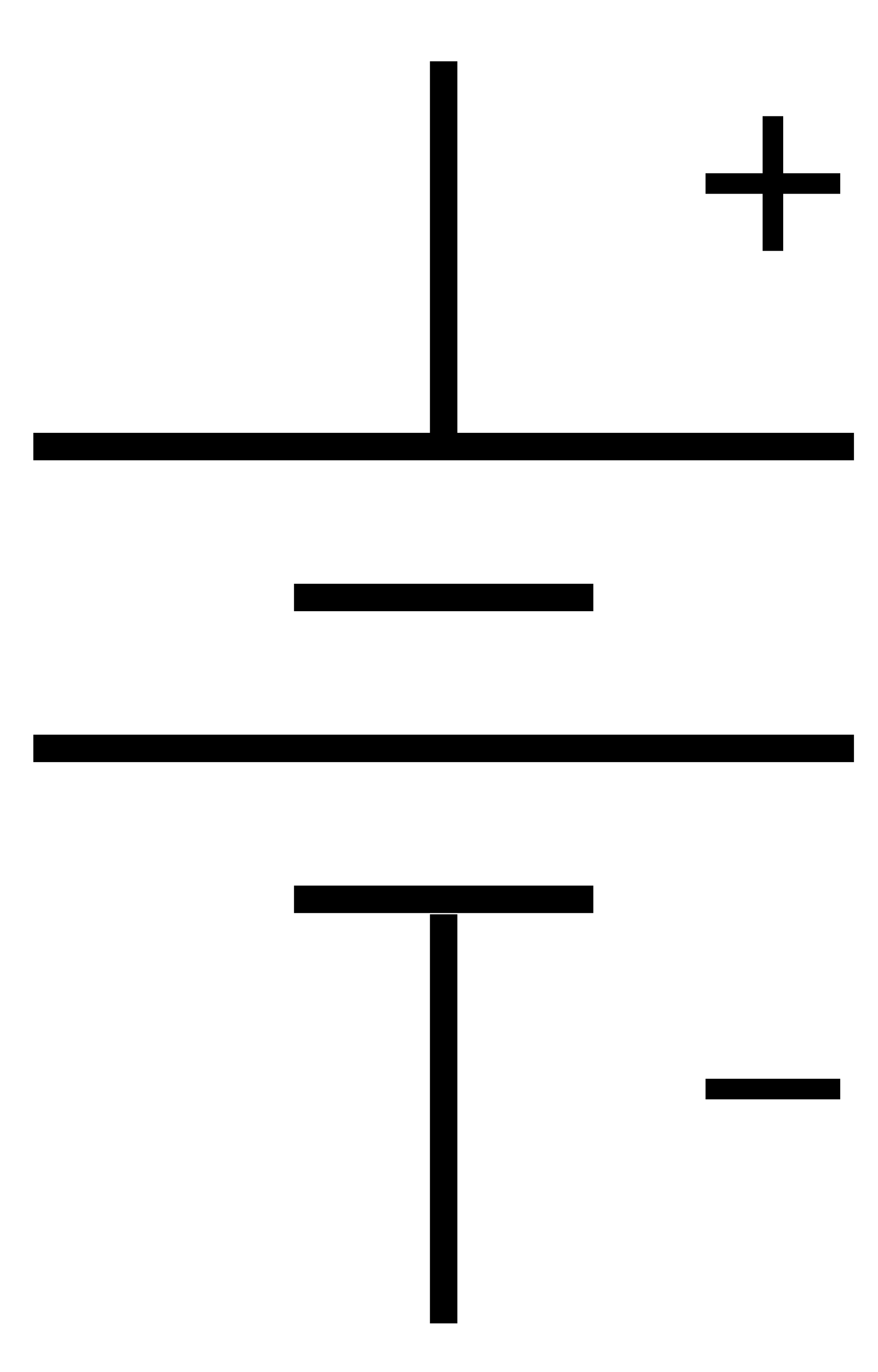

How does a battery produce electric energy?
copper wires inside of the battery produce a magnetic force that moves electrons
a metal core interacts with a magnetic field.
resistance in the battery causes energy to flow
chemicals inside the battery react with each other causing electrons to flow
When more light bulbs are added they all remain bright.
What is Voltage?
The energy available to move charges through a circuit
A material that allows heat and electricity to flow through it
A material that stops heat and electric current from flowing
Rubber, styrofoam, cotton

To complete the circuit, a wire should be placed from —
In order for electricity to flow through a circuit, the circuit must be a closed, complete:
Path, so that the electricity can make a complete circle.
Donut, because circuits get hungry.
Wire, made out of rubber.
Solar panel, because circuits only work with the sun.
If an electrical circuit was compared to a water circuit at a water park, then the battery voltage would be comparable to ___________________.
the rate at which water flows through the circuit
the speed at which water flows through the circuit
the distance that water flows through the circuit
the water pressure between the top and bottom of the circuit
the hindrance caused by obstacles in the path of the moving water
Which of the following is (are) correct?
metals are good conductors of heat and electric current
Lightning occurs when very large static charges build up in storm clouds
I = V x R
an electric generator needs fuel to operate and transform kinetic energy into electric energy
If more people reduced the amount of plastic they buy....
there would be less pollution
energy would be conserved because it takes fuel to haul garbage away to landfills
rives, streams and lakes would be cleaner
all of these are true
What are the three properties of an electric circuit?
Current, Voltage, Power
Current, Voltage, Resistance
Power, Voltage, Resistance
Current, Power, Resistance

A material that prevents heat or an electric current from flowing
Conductor
Insulator
Magnetism
Electric Circuit

Why doesn't the lightbulb shown below light up when used in a circuit?
A. The flow of electricity needs a closed circuit and the lightbulb is broken.
B. The flow of electricity needs a circular circuit and the lightbulb is broken.
C. The flow of light current needs a closed circuit and the lightbulb is broken.
D. These type of lightbulbs don't work in a circuit.
What does LED stand for
Light EnDangering
Dad Eating Lamps
Light Emitting Diode
None of the above
How do LEDs (Light Emitting Diodes) work?
By reflecting light.
By converting electricity into light.
By storing light.
By amplifying light.

Which symbols are used for the units of current and of resistance?
A
B
C
D
What moves when we say that there is current?
inductors
conductors
electrons
atoms
A device that converts mechanical energy into electrical energy is called _______
Motor
Generator
Transformer
Robot
How do generators produce electrical energy?
sunlight causes electrons to move within the coil of wire.
a battery powers the generators to create chemical reactions
A magnetic field is produced by a motor
a fuel powered engine spins a coil of wire in a magnetic field

